





The Timeless Science of Cool Clay
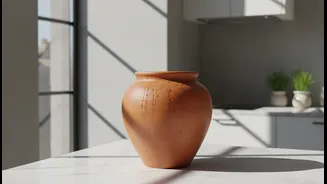
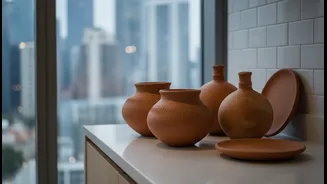
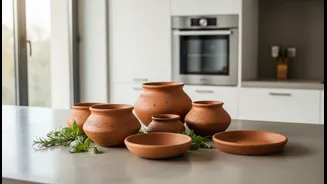
For generations, the sight of a terracotta matka was a staple in Indian households, promising cool, refreshing water even on the most scorching summer days. This wasn't magic; it was science. Terracotta is naturally porous, allowing minuscule amounts
of water to seep through to the outer surface. As this water evaporates, it draws heat from the vessel and its contents, lowering the temperature inside. This process, known as evaporative cooling, is a simple yet effective form of natural air conditioning that has been used for thousands of years, from ancient India to Egypt. The clay's ability to retain moisture ensures a continuous and gentle cooling effect, providing a stark contrast to the aggressive chill of electric refrigeration.
The New Urban Imperative
Life in a modern Indian city presents a unique set of challenges. Apartments are getting smaller, electricity bills are rising, and a growing consciousness about environmental impact is shaping consumer choices. Millennials and Gen Z, in particular, are seeking solutions that align with a more sustainable and mindful lifestyle. The conventional refrigerator, a cornerstone of the 20th-century kitchen, suddenly feels bulky, energy-intensive, and disconnected from nature. This has created a demand for alternatives that are not only functional but also tell a story of heritage, sustainability, and thoughtful design. The question for many becomes: how do you keep your produce fresh and your water cool without contributing to a high carbon footprint or cluttering a compact living space?
When Design Meets Ethics
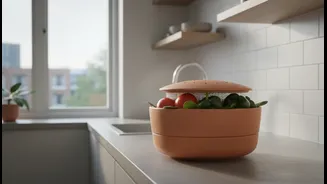
This is where urban design ethics come into play. It’s a philosophy that goes beyond mere aesthetics to consider a product's entire lifecycle, its environmental impact, and its social context. When applied to traditional terracotta, it sparks a revolution. Designers are no longer just making matkas; they are creating sophisticated cooling systems for the contemporary home. A prime example is the MittiCool, a refrigerator made entirely of clay that requires no electricity. It uses the principle of evaporative cooling to keep vegetables fresh for up to a week and can lower the internal temperature by 10-15°C compared to room temperature. This innovation embodies key ethical principles: it offers a zero-energy, zero-emission solution to food storage, reduces food waste, and supports the livelihoods of traditional potters.
A Modern Aesthetic with Ancient Roots
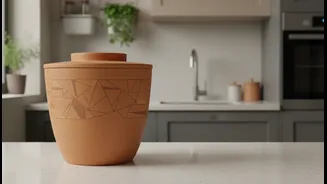
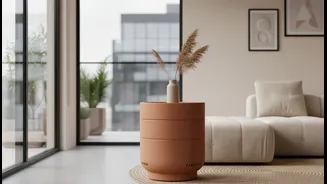
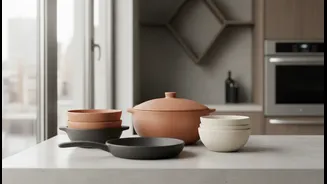
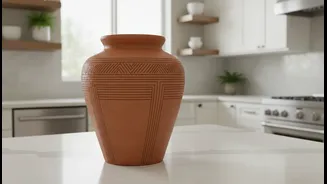
The revival isn't just about utility; it's about style. Today’s terracotta kitchenware is being reimagined with minimalist silhouettes, clean lines, and contemporary forms that integrate seamlessly into a modern apartment. Brands and independent artisans are creating sleek water carafes with wooden lids, modular stacking jars for storing onions and garlic, and even chic bottle coolers. These pieces are designed to be both beautiful and functional, transforming a simple earthen pot into a design statement. They celebrate the raw, earthy texture of the clay while refining it for a modern palate, proving that sustainable choices don't require a compromise on aesthetics. This blend of tradition and modernity allows homeowners to connect with their cultural heritage in a way that feels authentic to their present-day lives.