






Your Body Runs on a Clock
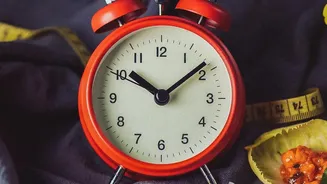
Every cell in your body operates on a 24-hour internal clock known as a circadian rhythm. This master clock, located in the brain, does more than manage your sleep-wake cycle; it also directs a symphony of bodily functions, including digestion, hormone
release, and metabolism. Just as your energy to be active is higher during the day, your body's ability to process food is not the same at 8 AM as it is at 10 PM. This emerging field of science, called chrononutrition, explores how aligning our eating patterns with these internal rhythms can be a powerful tool for better health.
The Metabolic Advantage of Eating Early
Think of your metabolism as being most efficient during your active, daylight hours. Research shows that our bodies are primed to handle calories more effectively earlier in the day. One key process is called diet-induced thermogenesis (DIT), which is the energy your body expends to digest and absorb nutrients. Studies have found that DIT can be twice as high in the morning compared to the evening, even when consuming the exact same meal. This means you may burn significantly more calories from a large breakfast than from a large dinner. Eating earlier also tends to lead to better insulin sensitivity and blood sugar control, which is crucial for preventing metabolic issues down the line.
The Downside of Late-Night Meals
As the day winds down, your body prepares for rest, and your metabolism naturally slows. Eating a heavy meal late at night forces your digestive system to work overtime when it should be winding down. This can disrupt your circadian rhythms, leading to several negative consequences. Research links late-night eating to a higher likelihood of storing calories as fat, increased hunger the next day, and poorer sleep quality. Consistently eating close to bedtime can also impair the body's response to insulin over time, potentially increasing the risk for type 2 diabetes, elevated triglycerides, and other metabolic problems.
How to Sync Your Meals with Your Clock
Adopting a chrononutrition approach doesn't require a radical diet overhaul. It's more about shifting your schedule. A popular strategy is to follow the 'King, Prince, Pauper' model: eat a large breakfast, a moderate lunch, and a small dinner. Try to consume the majority of your daily calories before the late afternoon. Another effective method is time-restricted eating (TRE), where you limit your eating to a consistent 8 to 12-hour window each day, giving your body a longer period to fast overnight. For example, you might eat between 8 AM and 6 PM. This not only aligns with your circadian clock but can also naturally reduce overall calorie intake. The key is consistency and avoiding meals within two to three hours of going to sleep.