





The Link Between Plants and Heart Health
Scientific evidence increasingly shows that diets rich in plant-based foods can significantly benefit cardiovascular health. Plant-based proteins, found in foods like lentils, beans, and nuts, come with a host of advantages. They are naturally free of dietary
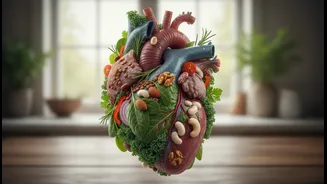
cholesterol and are typically lower in saturated fat compared to many animal proteins, especially red and processed meats. This combination helps manage risk factors for heart disease. Furthermore, studies have associated diets higher in plant protein with lower blood pressure, reduced levels of “bad” cholesterol, and a decreased risk of heart disease. Replacing just one serving of red meat with a plant protein source like nuts or legumes has been shown to reduce heart disease risk.
Your Plant-Powered Pantry Staples
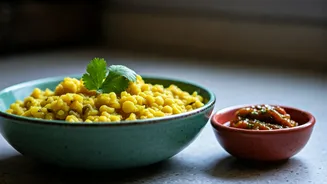
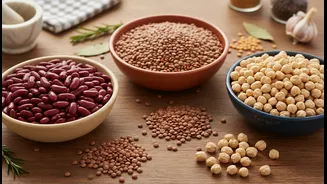
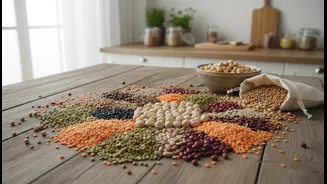
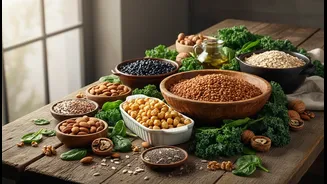
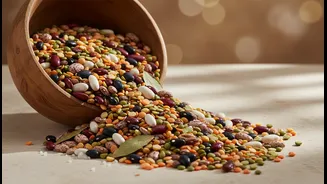
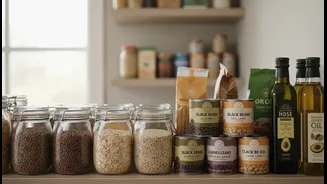
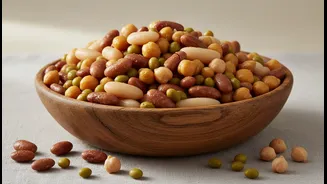
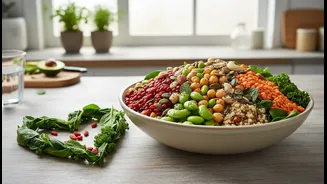
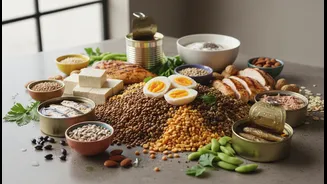
Making heart-friendly eating easier starts with having the right ingredients at your fingertips. Fortunately, many Indian kitchens are already stocked with protein powerhouses. Lentils (dal) like moong, masoor, and toor are excellent, affordable sources. A single cooked cup can provide around 18 grams of protein. Chickpeas (chana) and kidney beans (rajma) are other versatile staples, perfect for curries and salads. Beyond legumes, consider tofu, a soy-based option that works well in stir-fries and bhurji. Nuts and seeds like almonds, peanuts, and sesame seeds are not only rich in protein but also provide healthy fats and essential minerals that support heart function.
Simple Swaps for Everyday Meals
You don't need to overhaul your entire diet overnight. Small, consistent changes can make a big difference. Start by designating one or two days a week as meat-free. Try swapping minced meat in a recipe for cooked lentils or mashed chickpeas. In dishes that call for paneer, consider using tofu, which readily absorbs spices and flavours. Instead of a high-fat snack, reach for a handful of roasted peanuts or makhana (fox nuts). Adding a tablespoon of chia or flax seeds to your morning curd or smoothie is another effortless way to boost your intake of protein and heart-healthy omega-3 fatty acids. Even traditional meals like dal-rice or rajma-chawal are classic examples of combining foods to create a complete protein profile.
More Than Just Protein
The benefits of these foods extend beyond their protein content. Plant-based sources are packed with dietary fibre, which is crucial for lowering cholesterol and maintaining good digestive health. Fibre also helps you feel full longer, which can aid in weight management—another key factor for a healthy heart. These foods are also rich in protective compounds like antioxidants and phytochemicals, which help reduce inflammation and cellular damage in the body. Moreover, they deliver essential vitamins and minerals like potassium and magnesium, which play a direct role in regulating your heartbeat and blood pressure.
Building a Complete Picture
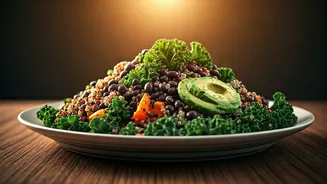
A common concern is whether plant-based diets provide “complete protein,” meaning all nine essential amino acids your body needs. While some plant foods are complete proteins on their own—like soy, quinoa, and chia seeds—most are not. However, this isn't a problem in practice. The concept of “protein combining,” or eating different plant foods together, has been a cornerstone of traditional diets for centuries. For example, the combination of rice (a grain) and dal (a legume) provides all the essential amino acids you need. As long as you eat a varied diet throughout the day that includes a mix of grains, legumes, nuts, and seeds, you can easily meet your body's protein requirements.