


The Secret to a Silky Slurry
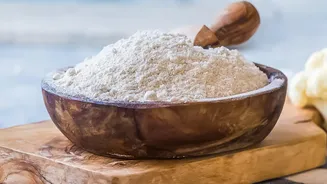
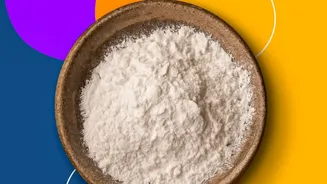
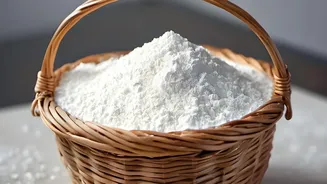
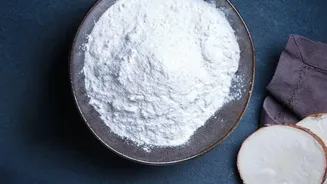
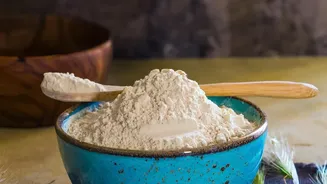
Arrowroot is a fine, powdery starch extracted from a tropical root. Unlike cornstarch or wheat flour, it has a completely neutral flavour and creates a beautiful, clear sheen. However, if you add it directly to hot liquid, the starch on the outside of
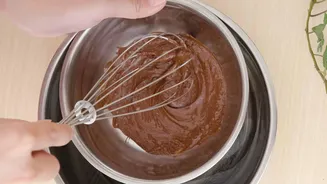
each particle will swell instantly, forming a barrier that prevents the starch inside from dissolving. The result? Lumps. A slurry is the foolproof solution. It's a simple mixture of the arrowroot powder and a small amount of cold liquid—water is fine—stirred together until a smooth, milky paste forms. This separates the starch granules, allowing them to disperse evenly when you pour the mixture into your hot soup. Because it thickens at a lower temperature and more quickly than cornstarch, you should add the slurry at the very end of the cooking process, stirring just until the soup thickens. Be careful not to boil it, as high heat can cause the starch to break down and thin out again.
1. Classic Creamy Vegetable Soup
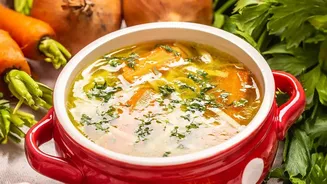
A creamy vegetable soup is the ultimate comfort food, but traditional versions rely on heavy cream or a flour-based roux. Arrowroot provides a lighter, dairy-free alternative (provided you avoid other dairy). After you have sautéed your base vegetables—like onion, carrots, and celery—and simmered them in vegetable broth until tender, it’s time for the magic. Blend the soup with an immersion blender until it's as smooth as you like. In a small bowl, whisk together one tablespoon of arrowroot flour with two tablespoons of cold water to create your slurry. With the soup on a low simmer, slowly pour in the slurry while whisking continuously. The soup will begin to thicken almost instantly into a rich, creamy consistency without any of the pastiness of flour.
2. Silky Tomato and Basil Bisque
One of arrowroot’s superpowers is its stability in acidic ingredients, something cornstarch struggles with. This makes it the perfect choice for thickening tomato-based soups. For a vibrant tomato and basil bisque, simmer your tomatoes, onions, and garlic in broth. Once the vegetables are soft, blend until smooth. Return the soup to the pot over low heat. Make an arrowroot slurry and whisk it into the soup. You'll achieve a velvety, restaurant-quality texture that clings to the spoon, all while preserving the bright, fresh flavour of the tomatoes and basil. Because arrowroot-thickened sauces freeze exceptionally well, this is a great recipe to make in batches.
3. Hearty Black Bean & Chipotle Soup
Arrowroot isn't just for creamy, puréed soups. It works wonders in broth-based soups that need a bit more body. For a hearty black bean soup, start by sautéing onions, garlic, and chipotle peppers. Add black beans and vegetable or chicken broth, then simmer to let the flavours meld. While you can partially blend this soup to thicken it, adding an arrowroot slurry at the end gives you more control over the final consistency. It adds a pleasant viscosity to the broth without making it heavy or muddying the smoky chipotle flavour. This technique allows the texture of the whole beans and other chunky ingredients to remain distinct while enriching the liquid that carries them.
4. Aromatic Thai Coconut Soup (Tom Kha)
Many Asian cuisines rely on the clear, glossy finish that certain starches provide. Arrowroot is an excellent tool for achieving this texture in dishes like Thai coconut soup. After simmering aromatics like lemongrass, galangal, and lime leaves in coconut milk and stock, you'll add your chicken, shrimp, or tofu and mushrooms. Just before serving, a light arrowroot slurry can be whisked in to give the broth a slightly richer, silkier mouthfeel without dulling the complex flavours or making the coconut milk-based broth cloudy. However, a word of caution: arrowroot can sometimes react strangely with dairy, creating a 'slimy' texture, so it is often used more successfully in coconut-milk bases than in dairy-cream bases.
5. Rich and Earthy Mushroom Soup
When you have delicate flavours like those from a mix of wild mushrooms, the last thing you want is a thickener that dulls them. Because arrowroot has a neutral taste, it's the ideal partner for a sophisticated mushroom soup. After sautéing your mushrooms with shallots and garlic until they release their liquid and begin to brown, add your broth and herbs. Simmer gently, then blend to your desired consistency. Finish by whisking in an arrowroot slurry to create a luxurious, full-bodied soup where the earthy, umami flavour of the mushrooms remains the star. This method ensures the soup is rich and satisfying without the need for flour or a large amount of cream.