

Gateway to Ancient Wonders
A journey into the heart of Maharashtra’s history often begins in Aurangabad, a city that serves as the perfect base camp for exploring the region's UNESCO World Heritage sites. While a bustling modern city, it holds echoes of its Mughal past, most notably
in Bibi Ka Maqbara, a tomb that strongly resembles the Taj Mahal. But the true journey starts when you leave the city limits, heading towards the rock-cut marvels that have astounded travellers for centuries. The air itself seems to shift, carrying with it the weight of stories carved into stone and the promise of discovering a past that is still very much alive in the present. This is not just a sightseeing trip; it’s an immersion into a landscape where every hill and village has a tale to tell.
The Whispering Caves of Ajanta and Ellora
The first two days are best dedicated to the awe-inspiring cave complexes. The Ajanta Caves, nestled in a horseshoe-shaped gorge, feel like a hidden world. These 30 Buddhist caves, carved between the 2nd century BCE and 6th century CE, are famous for their murals—paintings that bring to life the Jataka tales with a vividness that has survived millennia. The next day, a trip to the Ellora Caves reveals a different kind of grandeur. Here, over 34 caves represent a unique confluence of Buddhist, Hindu, and Jain faiths, existing side-by-side. The undisputed masterpiece is the Kailasa Temple (Cave 16), the world's largest monolithic structure, carved from a single rock. It’s not just an architectural feat; it's a powerful symbol of an era of remarkable religious harmony.
The Fabric of Local Life
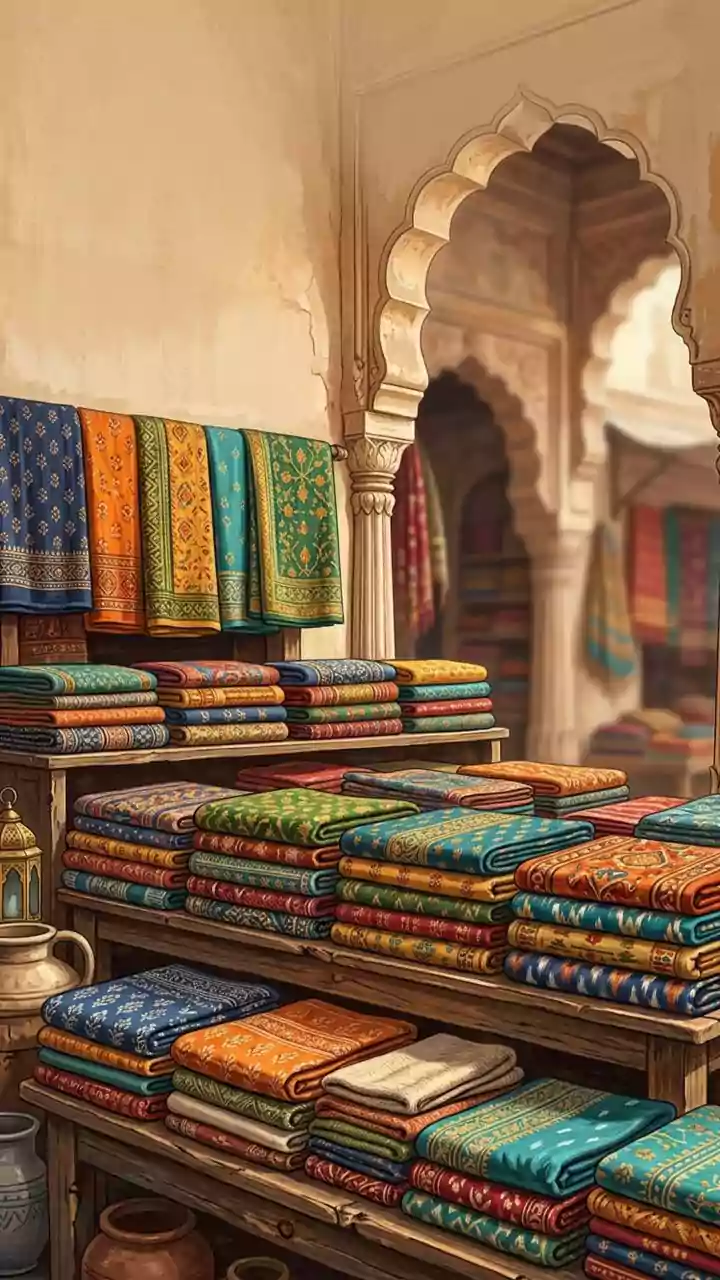
Moving beyond the monumental, the true spirit of the region reveals itself in its living traditions. A short drive from Aurangabad takes you to the towns of Paithan and Yeola, the heartland of the Paithani saree. This craft, dating back over 2,000 years, is a living legacy of the Satavahana dynasty. Visiting a weaver’s workshop, you can witness the painstaking process of transforming pure silk and gold threads into a textile masterpiece. Artisans, often from families who have practised the craft for generations, interlock threads by hand to create iconic motifs of peacocks and lotus flowers. It’s a powerful reminder that the same artistic impulse that created the frescoes of Ajanta lives on, not on stone walls, but in the vibrant threads of a handloom.
Fortress on the Hill of Gods
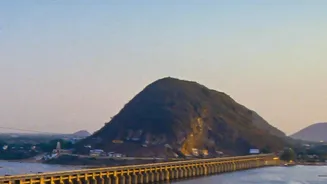
No journey through Maharashtra is complete without exploring its formidable forts. The Daulatabad Fort, originally known as Devagiri or 'Hill of the Gods', is a testament to medieval military engineering. Perched on a 200-meter-high conical hill, this fortress was considered nearly invincible. Its defences include multiple walls, intricate gateways, and a baffling dark passageway known as the Andheri, designed to confuse and trap invaders. Climbing to the top offers not just panoramic views, but a profound connection to the state’s resilient history, from the Yadava dynasty who built it to the Tughlaqs and Marathas who later ruled from it. The villages surrounding the fort offer a glimpse into a quieter, rural life, where the imposing citadel is simply part of the daily landscape.
A Culinary and Cultural Weave
The final day is a chance to absorb the flavours and rhythms of local life. The region’s cuisine is a character in itself, from the spicy kick of Misal Pav to the comforting sweetness of Puran Poli. Exploring the old city of Aurangabad offers a taste of Mughlai-influenced street food. This journey is more than a tour of monuments; it’s an experience of 'agri-tourism' and cultural immersion, where you can connect with local communities. Some farm stays near Ellora now offer experiences that go beyond the tourist trail, employing locals and allowing travellers to see a different side of the region—one where ancient heritage and modern life are not separate, but deeply intertwined.