







The Afterglow and The Reality Check
The feeling after a retreat is often one of profound peace and mental clarity. Stepping away from daily stressors into a structured environment of healthy meals, mindfulness, and rest allows the nervous system to recover. Studies show these experiences
can create measurable changes in brain function related to stress and emotional regulation. However, returning home can be a shock. The sudden exposure to traffic, work emails, and household chores can feel overwhelming. This post-retreat sensitivity is normal; your system has been tuned to a quieter frequency. Many people experience a difficult transition, sometimes called the 'post-retreat blues', feeling disconnected or even irritable as the initial calm begins to dissipate. Understanding this phase is the first step toward successful integration.
The Art of a Soft Landing
The most crucial period for preserving your retreat’s benefits is the first few days back. Experts suggest treating this as a “second half” of the retreat itself. Instead of jumping immediately into a packed schedule, give yourself a buffer. If possible, schedule a lighter workday or take an extra day off to transition gently. This allows the insights and rested state to settle, rather than being swept away by the current of your old routine. Use this time to rest, reflect, and slowly re-engage with your responsibilities. Simple actions like taking a quiet walk, journaling about your experience, or limiting your exposure to news and social media can make a significant difference.
From Ritual to Routine
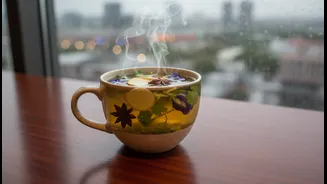
The goal isn't to perfectly replicate the retreat environment at home, but to weave its essence into your daily life. The key is to start small and be realistic. Trying to implement an hour of meditation every morning might be too ambitious, but a five-minute breathing exercise before checking your phone is sustainable. Choose one simple practice you learned—be it a morning stretch, a mindful cup of tea, or a short journaling entry—and commit to it for the first 48 hours. This small action creates momentum. Over time, you can build on these 'mini-retreat moments'. Predictable routines help regulate stress hormones and give your brain the structure it craves, making your newfound sense of calm more resilient.
Navigating Your Social World
Your friends and family didn't share your retreat experience, and it’s important to remember they won't fully understand the shift you’ve undergone. It can be helpful to communicate your needs ahead of time, letting your partner or family know you might need some quiet time to settle in upon your return. This can prevent friction and manage expectations. While you may feel an urge to share everything you’ve learned, exercise discernment. Instead of trying to 'convert' others, try sharing one simple insight or learning with a trusted friend who is genuinely curious. Teaching what you learned is a powerful way to deepen your own understanding.
Resist the Urge for Drastic Change
A retreat can bring profound clarity and powerful insights, often leading to the realization that parts of your life are no longer in alignment. You might feel a sudden urge to quit your job, end a relationship, or move to a new city. While these feelings are valid, experts advise against making major life decisions in the immediate post-retreat period. Your perspective is heightened and still settling. Give these insights time to ripen. Observe your feelings with curiosity rather than immediately acting on them. If the desire for change is still present after a few weeks or months, you can then explore it from a more grounded and integrated state of mind.