
Hanging planters bring life to any space, adding vertical beauty to porches and living rooms. But choosing one based on looks alone can lead to a sad, struggling plant. Giving your plant enough room to grow is key to a lush and lasting display.
Why Bigger is Often Better
When it
comes to hanging baskets, size is about more than just aesthetics; it's about plant health. A small container restricts root growth, leading to a root-bound plant that struggles to absorb water and nutrients. This results in stress, wilting, and poor flowering. Larger planters, typically those 12 to 16 inches in diameter, hold more soil. More soil means more moisture retention, which is critical because hanging baskets dry out much faster than pots on the ground due to air circulating on all sides. A larger soil volume keeps roots cooler and hydrated for longer, reducing the need for daily, or even twice-daily, watering during hot weather.
Match the Planter to the Plant
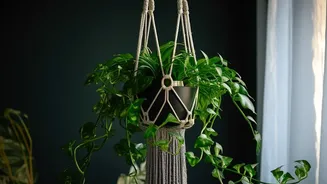
The ideal planter size depends on the plants you intend to grow. A standard 12 to 14-inch basket can comfortably hold three to five small plants, while a 16 to 18-inch basket can accommodate five to seven. Vigorous growers with extensive root systems, like wave petunias or sweet potato vines, will quickly fill a small pot and require a larger home to thrive. Slower-growing indoor plants like a string of hearts or a small fern can be happy in a smaller decorative pot. Always consider the mature size of your chosen plants, not just how they look in their nursery pots. Trailing plants that spill over the sides, known as 'spillers,' are classic choices for hanging baskets.
Consider the Material
The material of your hanging planter affects its weight, durability, and how often you'll need to water. Plastic pots are lightweight, inexpensive, and retain moisture well, making them a practical choice. Glazed ceramic planters are stylish but heavy and best suited for indoors where they are protected from extreme weather. Classic wire baskets lined with coconut coir or moss are beautiful and provide excellent aeration for roots. However, this breathability means they dry out very quickly and may require daily watering in summer. For a low-maintenance option in hot climates, some gardeners line their coir baskets with a layer of plastic to slow down water loss.
The Absolute Necessity of Drainage
No matter the size or material, a hanging planter must have drainage holes. Without them, excess water accumulates at the bottom, saturating the soil and depriving roots of the oxygen they need to survive. This leads to root rot, the most common killer of container plants. Good drainage prevents waterlogging, flushes out excess salts from fertilisers, and reduces the risk of fungal diseases and pests like fungus gnats that thrive in constantly wet soil. If you fall in love with a decorative planter that has no holes, use it as a 'cachepot' by keeping your plant in a slightly smaller plastic nursery pot with drainage holes and placing it inside.
Don't Forget the Weight
Before you commit to a large planter, consider the final weight. A large basket filled with damp soil and mature plants can be incredibly heavy. A single gallon of water alone adds about 8 pounds. Ensure the hook, bracket, and structure you are hanging it from can safely support the load. Always screw hanging hardware directly into a solid ceiling joist or wall stud, never into drywall or plaster alone. While a big, beautiful basket is the goal, safety must come first. Balancing the ideal size for your plants with what your space can physically support is a crucial final step.