






Just How Weak Was the 2026 Monsoon?
The 2026 southwest monsoon season, which runs from June to September, ended with a nationwide rainfall deficit of around 12.6%. According to the India Meteorological Department (IMD), this made it the weakest monsoon season since 2015. The season was
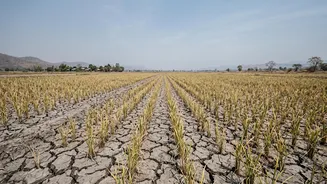
erratic, with a particularly dry June followed by a brief recovery in July, and then below-normal rainfall again in August and September. The shortfall was largely driven by developing El Niño conditions, a climate pattern known to suppress monsoon rains in India. The impact wasn't uniform across the country. East, Northeast, and South Peninsular India were hit particularly hard, with rainfall deficits of about 25.6% and 24.4% respectively. In contrast, Central India received near-normal rainfall. This uneven distribution is critical, as it means some of the country's most vital agricultural belts faced severe water stress at crucial times.
The Frontline Impact on Farmers
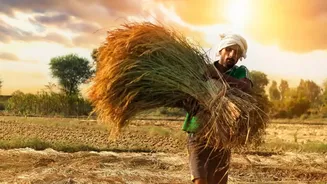
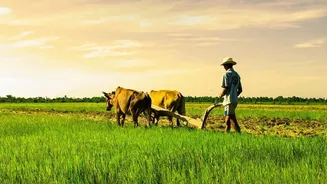
For India's farmers, especially the majority who depend on rain-fed agriculture, a weak monsoon is a direct blow to their livelihood. The 2026 season's poor and uneven rainfall led to a decline in the total area sown for crucial Kharif (summer) crops. The acreage for water-intensive crops like rice saw a notable drop. Beyond sowing, the dry spells in August and September created significant moisture stress for standing crops like cotton, soybeans, and pulses, affecting their growth and yield potential. This can lead to lower production, forcing farmers to spend more on diesel to run irrigation pumps and other inputs to protect their crops, further squeezing their already thin margins. The weak rains also mean that water levels in India's key reservoirs are depleted, which not only affects the current Kharif harvest but also raises serious concerns for the upcoming Rabi (winter) sowing season. Several states, including Maharashtra and Karnataka, have already declared drought in hundreds of administrative blocks.
The Ripple Effect in Your Grocery Bill
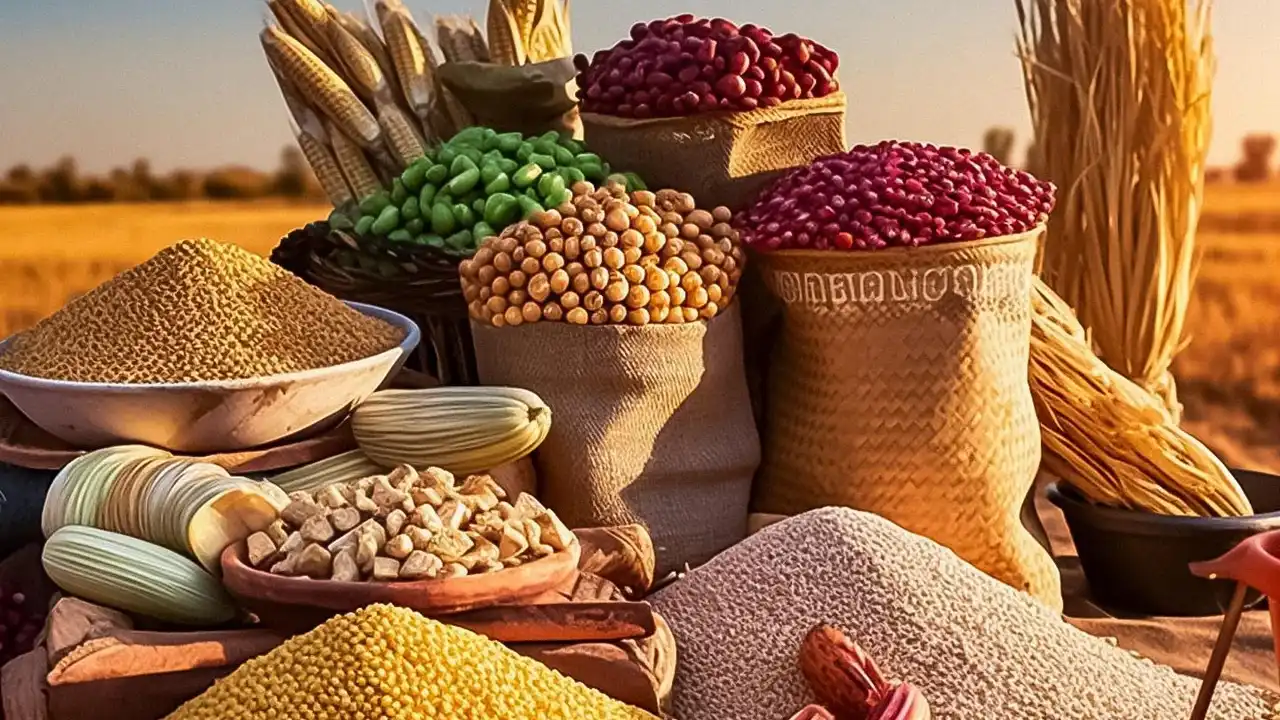
The connection between struggling farms and urban households is direct: food prices. Lower crop yields translate into reduced supply, which naturally pushes prices up for everyone. The weak monsoon has created what rating agencies and economists call an "upside risk" to food inflation. Prices for staples that are sensitive to monsoon performance, such as pulses, certain vegetables, and edible oils, are expected to feel the pressure. With the harvest for key crops like rice impacted, the cost of daily meals is likely to rise. Food inflation had already accelerated to 5.95% in August 2026, and some economists project it could climb higher in the coming months. This means that the deficit of rain in a distant village in Karnataka or Maharashtra can be felt in the budget of a family in Delhi or Mumbai. Weaker farm incomes also dampen rural demand for goods and services, which can have a broader slowing effect on the national economy.
What Happens Next?
The government has acknowledged the challenges posed by the weak monsoon. Even before the season began, contingency plans were being drawn up, including preparing district-wise measures and promoting the use of short-duration and drought-resistant seed varieties. Now, with the deficit confirmed, states are assessing the damage and seeking central assistance. The government's response will likely involve a multi-pronged approach: managing existing food grain stocks to control prices, potentially adjusting import/export policies for essential commodities, and providing financial support or subsidies to the most affected farmers. For the upcoming Rabi season, the focus will shift to encouraging the cultivation of less water-intensive crops like pulses and oilseeds, especially in regions with low reservoir levels and poor soil moisture. The weak 2026 monsoon serves as another stark reminder of India's vulnerability to climate patterns and reinforces the urgent need for long-term investment in climate-resilient agriculture, from micro-irrigation to better water conservation infrastructure.