




The Golden Rule: Check the Serving Size First
Before you even glance at calories, protein, or sugar, find the serving size. This is the single most important step because all the numbers on the nutrition label refer to that specific amount. Brands often list a small, sometimes unrealistic, serving size. A
packet of biscuits might list three biscuits as one serving, or a bag of chips might contain three servings. Be honest with yourself about how much you're likely to eat and adjust the numbers accordingly. If you eat the whole pack, you'll need to multiply the protein, sugar, and calorie figures to get a true picture of your intake.
Decoding Protein: Your Satiety Superstar
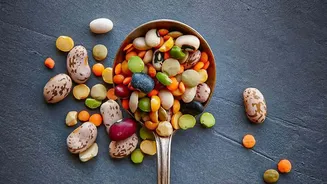
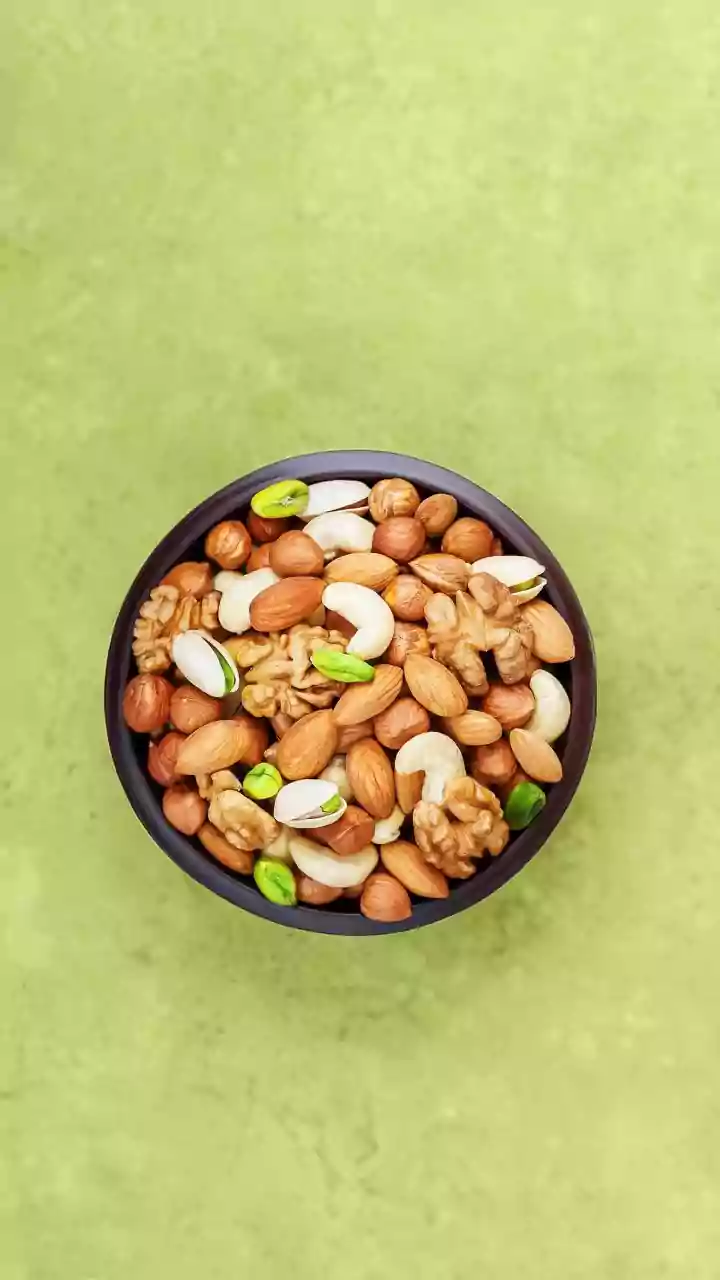
Protein is key for feeling full, repairing muscle, and maintaining steady energy levels. When you're looking for a 'high-protein' snack, aim for one that provides at least 10 grams of protein per 100g. In the ingredients list, look for whole-food protein sources like nuts (peanuts, almonds), seeds (pumpkin, sunflower), and pulses (chana, moong dal). Many snacks popular in India, such as roasted chana, makhana, paneer cubes, and sprouts, are excellent sources of protein. While protein bars are convenient, always check the label for both protein content (aim for 15-20g per bar) and added sugars, as some can be glorified candy bars.
The Hunt for Hidden Sugars
Sugar has many disguises. To find it, check the 'Added Sugars' line on the nutrition label; this separates sugars added during processing from those naturally occurring in ingredients like fruit or milk. A good rule of thumb is that 5% Daily Value or less is low, while 20% or more is high. The ingredients list offers more clues. Ingredients are listed by weight, so if a sugar-like term is one of the first few ingredients, it's a major component. Watch out for words ending in '-ose' (like dextrose, fructose, sucrose) and various syrups (corn syrup, rice syrup). Even seemingly healthy terms like fruit juice concentrate, honey, jaggery, and caramel are forms of added sugar.
Ingredients List: Shorter is Often Better
A long list of chemical-sounding names you can't pronounce is often a red flag. Generally, a shorter, more recognizable ingredient list signals a less processed product. Look for whole foods at the top of the list, such as 'whole wheat flour' instead of 'refined wheat flour (maida)', or 'oats' and 'nuts' instead of 'corn starch' and 'maltodextrin'. Don't be fooled by marketing claims on the front of the pack like "all-natural" or "made with real fruit." These terms are often unregulated and can be misleading. The truth is always on the back of the pack in the nutrition panel and the ingredients list.
Putting It All Together: A Real-World Comparison
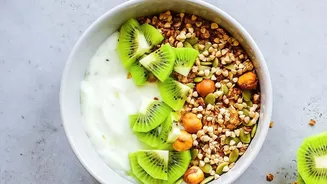
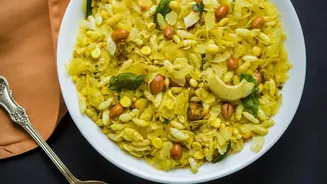
Let's compare two common snack scenarios. First, a 'baked not fried' packet of masala chips versus a bowl of roasted makhana. The chips might seem healthier, but a quick label check often reveals they are made from refined flour, have high sodium, and contain various flavour enhancers. The makhana, especially if roasted at home with minimal oil and spices, offers a cleaner ingredient list with some protein and fibre. Second, consider a fruit-flavoured yoghurt versus plain dahi with fresh fruit. The flavoured yoghurt often contains significant 'added sugars' to achieve its taste. Plain dahi, on the other hand, contains only natural milk sugars (lactose), and you control the sweetness by adding your own fruit, giving you more fibre and nutrients without the sugar rush.