





From Soda Pop to Self-Care
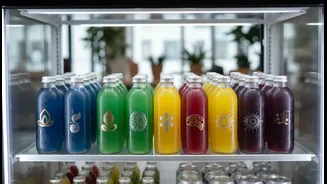
The beverage section has undergone a radical transformation. Where once the choice was between cola, diet cola, and lemon-lime, there is now a dizzying array of jewel-toned drinks labeled with terms like “adaptogenic,” “probiotic,” and “nootropic.” This
booming category, known as functional beverages, is built on the idea that a drink can do more than just quench your thirst—it can actively support your health. Driven by a broader consumer shift toward wellness and proactive self-care, the global market for these enhanced drinks is projected to surpass $400 billion by 2033. Younger consumers, in particular, are trading traditional soft drinks and even alcohol for beverages that promise everything from mental clarity to a good night's sleep.
Decoding the Buzzwords
Understanding these new drinks means learning a new language. The labels are filled with ingredients that were, until recently, found mostly in specialized health stores. Here’s a quick guide: Adaptogens are herbs and mushrooms like ashwagandha and rhodiola, which are believed to help the body manage stress. Nootropics are compounds, such as L-theanine (found in green tea), that are included to support cognitive functions like focus and memory. Probiotics and Prebiotics are focused on gut health. Probiotics are beneficial bacteria, while prebiotics are fibers that feed those good bacteria. You'll also see everything from collagen for skin health to elderberry for immune support, all part of a growing trend to pack as much wellness as possible into a single, convenient bottle.
Do They Actually Work?
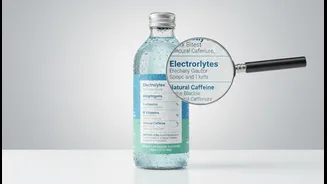
This is the billion-dollar question. The answer is complicated. Some ingredients have a solid body of research behind them. Caffeine, for example, is a well-known and effective stimulant for energy and focus. Likewise, electrolytes in sports drinks are proven to aid hydration. However, for many of the newer, more exotic ingredients, the science is still emerging or the doses included in a beverage may be too low to have a significant effect. Nutrition experts caution that while these drinks can be a fun addition to a healthy lifestyle, they are not a magic bullet. Many registered dietitians advise consumers that these beverages are largely unregulated and should not be seen as a replacement for a balanced diet, exercise, and good sleep.
How to Be a Smart Sipper
Navigating this new world of beverages requires a critical eye. First, read the ingredient list before you fall for the claims on the front of the bottle. Second, check the sugar content. Some drinks marketed for wellness can contain as much sugar as a traditional soda, effectively canceling out any potential benefits. Also, be mindful of the difference between a “Nutrition Facts” and a “Supplement Facts” panel. Products with a Supplement Facts panel are making more specific health claims and are regulated as such, while those with a standard Nutrition Facts panel have more restrictions on what they can promise. Ultimately, the goal is to be an informed consumer, treating marketing claims with healthy skepticism.
The Bigger Picture: A Lifestyle in a Bottle
The rise of functional beverages isn't just about a desire for healthier drinks; it's about a fundamental shift in how we approach wellness. It reflects a desire for convenience, personalization, and a more holistic view of health that integrates mind and body. These drinks are becoming part of daily rituals: a nootropic-infused coffee for morning focus, a calming adaptogenic tea in the afternoon, or a probiotic soda with dinner. The trend also aligns with the “sober curious” movement, offering complex, adult-flavored alternatives to alcohol for social occasions. For many, these beverages aren't just products; they're a form of personal expression and a tool for managing the demands of modern life.