





The Core Problem: A System Under Strain
Anyone who has tried booking an urgent train ticket knows the familiar anxiety. The clock strikes 10 AM, you hit 'Book Now', and the website slows to a crawl. For years, the IRCTC platform has struggled under the immense pressure of peak booking hours.
During the Tatkal window, lakhs of users simultaneously compete for a limited pool of seats, leading to system crashes, payment gateway failures, and the dreaded 'spinning wheel' that ends in disappointment. This experience was a national ritual of frustration, born from a system not originally built for such massive, concentrated traffic. The issues were so well-known that students even raised them directly with the Union Railway Minister, prompting a promise for a complete overhaul.
A Major Upgrade in Capacity
The centerpiece of the new update is a massive increase in the system's capacity. The previous platform could process around 32,000 ticket bookings per minute. The new, rebuilt system is designed to handle over 1,50,000 bookings per minute—a nearly five-fold increase. This is complemented by an upgraded backend Passenger Reservation System (PRS) which can now manage over 40 lakh inquiries per minute, a tenfold jump from the previous capacity of four lakh. In simple terms, the digital infrastructure has been significantly expanded to prevent the server congestion that caused so many booking failures and timeouts in the past. This raw power is specifically aimed at creating a more stable and responsive environment during high-demand periods.
A Cleaner, More Intuitive User Journey
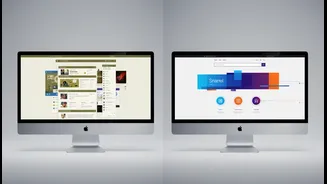
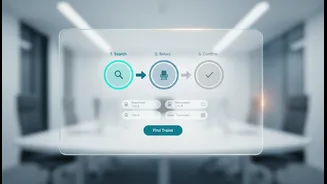
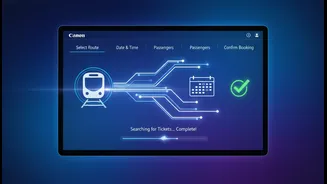
Beyond the backend improvements, the user-facing website and app have been redesigned for simplicity and speed. One of the most welcome changes is the reduction of interruptions. The new interface features fewer pop-up windows, flashing banners, and, most importantly, fewer CAPTCHA verifications that often disrupted the booking flow at critical moments. The booking process itself has been streamlined. For instance, users can now view seat availability across all classes (Sleeper, AC 3 Tier, AC 2 Tier, etc.) on a single screen, eliminating the need to toggle back and forth between different categories to find a seat. This small change saves valuable seconds and simplifies decision-making during a rushed booking.
New Features for Smarter Booking
The update also introduces several new features requested by passengers. For the first time on the platform, users can specify their seat preference during the booking process, rather than having one assigned automatically. Another significant addition is a 'fare calendar', which allows travellers with flexible dates to easily compare prices across a month, helping them find more economical options. The platform has also integrated services for Divyangjan, students, and patients, which previously required separate processes. Furthermore, the new system now supports multiple Indian languages, making it more accessible to a wider audience across the country.
What This Means for Your Next Tatkal Booking
The combination of these upgrades is intended to make the high-stakes Tatkal booking process significantly less stressful. The increased server capacity is expected to reduce the chances of the site crashing right when you confirm your details. With fewer CAPTCHAs and a more streamlined payment flow, the time taken from search to confirmation should be much shorter. While no system can guarantee a ticket when demand vastly outstrips supply, these changes are designed to level the playing field by ensuring the technology itself is no longer the primary obstacle. The beta version of the site has already shown promising signs of a quicker, less cluttered experience.