




Why the Touch Test is Your Best Friend
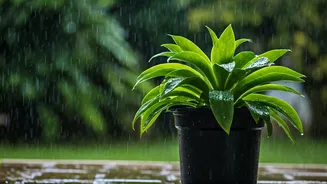
The single biggest threat to your potted plants during the monsoon is not too little water, but too much. With high humidity and frequent showers, soil stays damp for much longer than in other seasons. When roots sit in waterlogged soil, they can't access
oxygen and begin to decay, a condition known as root rot. This is where the 'touch test' becomes the most important tool in your gardening kit. By simply sticking your finger about an inch or two into the soil, you get an accurate reading of the moisture level. This prevents the number one mistake gardeners make: watering an already moist plant. A regular visual check isn't enough; soil that looks dry on top can still be saturated just below the surface.
Decoding What You Feel
Learning to interpret the feel of your soil is a skill that will make you a better plant parent. If you touch the soil and it feels soggy or wet, and mud sticks to your finger, do not water it. The plant has more than enough moisture. If the soil feels cool and damp, like a wrung-out sponge, it's likely okay for another day or two, especially if more rain is forecast. Only when the soil feels dry to the touch, and no soil sticks to your finger, should you consider watering. During the monsoon, you'll find that your watering frequency will decrease dramatically. For many plants, the ambient humidity and occasional rainwater are more than enough.
Beyond Watering: The Drainage Dilemma
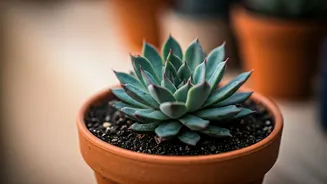
The touch test works best when your pots are set up for success. Proper drainage is non-negotiable during the rainy season. Ensure every pot has drainage holes at the bottom to allow excess water to escape. If you use decorative cachepots without holes, either drill them or remove your plants from them during this season. A simple but effective trick is to elevate your pots on bricks or 'pot feet'. This small gap prevents the drainage holes from getting blocked and allows water to flow out freely, preventing a stagnant, waterlogged environment from forming at the root zone. Using a well-draining potting mix, often containing perlite or sand, is also crucial.
Watch for Unwanted Guests
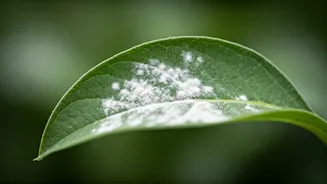
The damp, humid conditions of the monsoon are a perfect breeding ground for pests and fungal diseases. High humidity encourages issues like powdery mildew, which appears as white dusty patches on leaves, and other fungal spots. Pests like mealybugs, aphids, and fungus gnats also thrive in these conditions. Get into the habit of inspecting your plants regularly, checking under leaves and around stems. To improve air circulation around your plants and help leaves dry faster, consider light pruning to thin out dense foliage. Should you spot any issues, a simple spray of diluted neem oil can often work as a safe, organic preventative measure.
Fertilising: Less is More
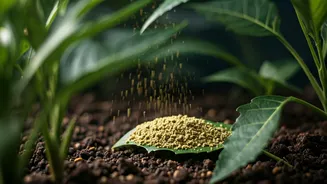
While it might seem like the season of growth, the monsoon is not the time for aggressive fertilisation. Heavy rains can wash away nutrients from the soil, a process called leaching. However, adding more chemical fertiliser to already saturated soil can risk burning the roots. A better approach is to reduce fertilising frequency to once every three to four weeks. Opt for organic options like vermicompost or a light compost top dressing. These release nutrients slowly and also help improve the soil's structure. Always avoid fertilising during periods of continuous heavy rain.