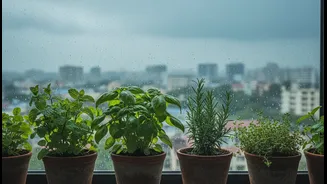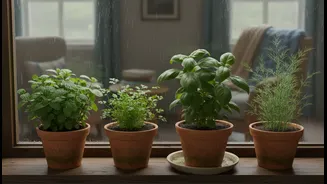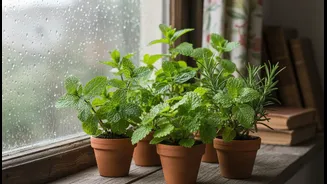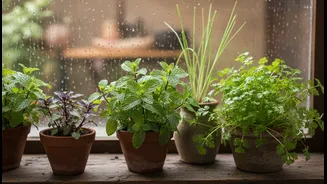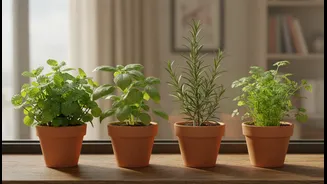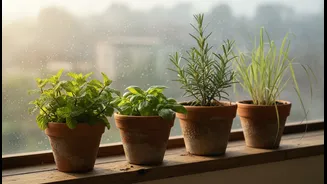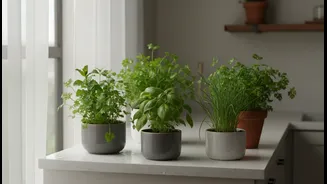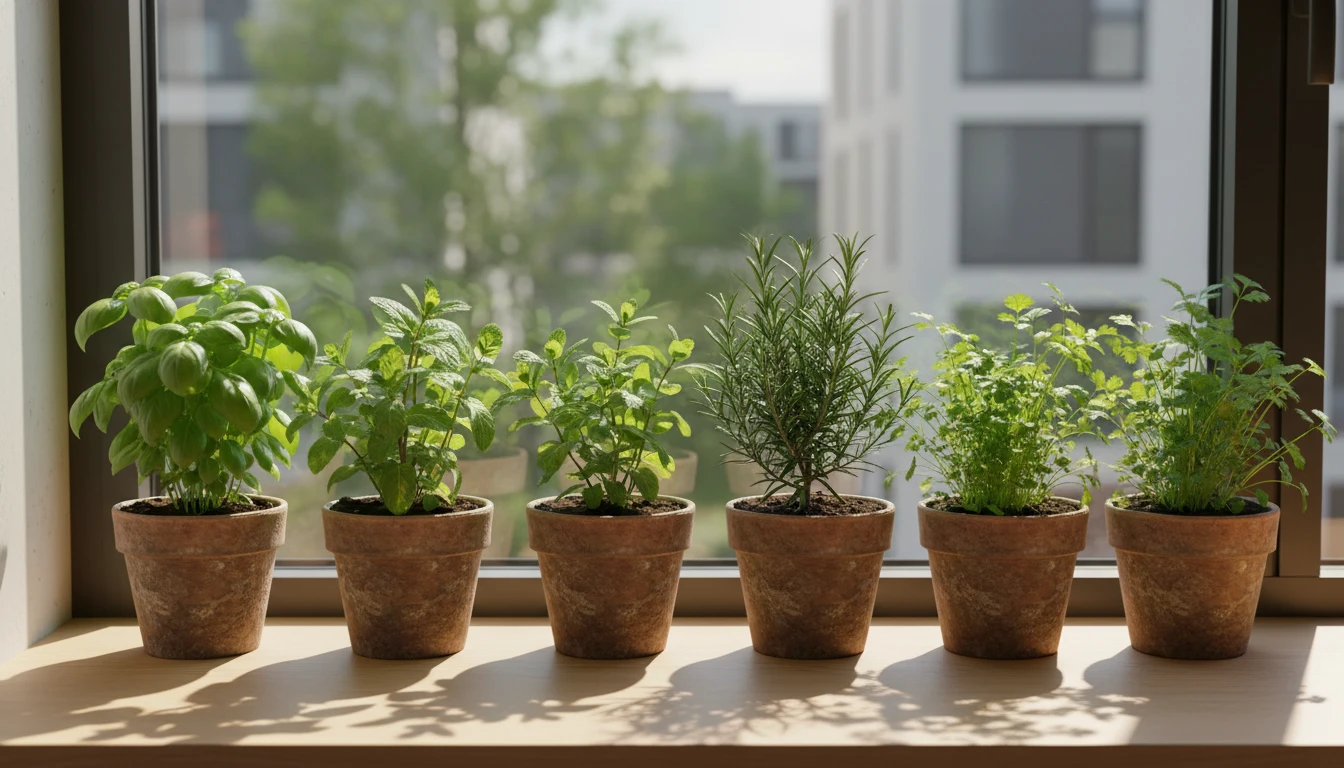




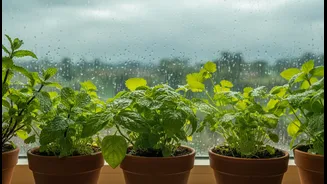


The Monsoon Challenge for Indoor Plants
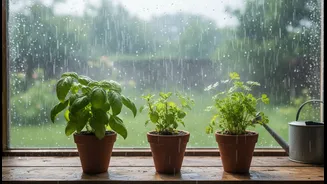
The Indian monsoon brings welcome relief from summer heat, but it also presents a unique challenge for indoor gardeners. The constant cloud cover drastically reduces the quantity and quality of natural light streaming through our windows. Most aromatic
herbs, which are often native to sunny Mediterranean climates, typically require at least six hours of direct sunlight to flourish. During the monsoon, even a bright, south-facing window might not receive this much direct light. This can lead to plants becoming 'leggy'—tall and spindly with few leaves—as they stretch towards the available light. The high humidity also increases the risk of fungal diseases and root rot if not managed carefully. However, by selecting the right herbs and optimising the light you do have, it's entirely possible to maintain a fragrant and productive windowsill garden.
Maximise Every Ray of Light
Before you even plant a seed, you can make your windowsill more light-efficient. First, ensure your windowpanes are sparkling clean, inside and out; dust and grime can significantly filter out precious light. Next, consider the direction your window faces. In India, a south-facing window will receive the most intense light throughout the day, making it the best option. East-facing windows get good morning sun, while west-facing ones get strong afternoon light. To amplify the available light, place a white board or a mirror behind your pots. This will reflect light back onto the plants, illuminating the side facing away from the window and promoting more even growth. Finally, make it a habit to rotate your pots by a quarter turn every few days so that all parts of the plant get their share of the sun.
1. Mint (Pudina) - The Resilient Grower
If you are new to indoor gardening, mint is the perfect plant to start with. It's famously resilient and one of the most forgiving herbs when it comes to light. While it appreciates sun, mint can grow well in indirect or filtered light, making it ideal for the monsoon months. You can easily grow it from a few healthy stems purchased from the market. Just place the stems in a glass of water, and roots should sprout in about a week. Once rooted, plant them in a pot with well-draining soil. Mint likes its soil to be consistently moist but not waterlogged, a key point during the humid monsoon. Harvest the leaves regularly by pinching off the top sets of leaves; this encourages the plant to grow bushier and more compact.
2. Coriander (Dhania) - A Kitchen Essential
No Indian kitchen is complete without fresh coriander, and growing it during the monsoon is achievable with a bit of care. Coriander actually enjoys the cooler, humid climate of the rainy season. It can tolerate lower light levels, though it might become a bit leggy. To counter this, regular harvesting is key to encourage bushier growth. You can grow it from whole coriander seeds from your spice box. Gently crush the seeds to split them in half before sowing to improve germination rates. Use a wide, relatively shallow pot to ensure good air circulation, and make sure the soil is well-draining to prevent root rot in the damp weather. Harvest the outer leaves first, allowing the inner leaves to continue growing for a continuous supply.
3. Italian Basil - The Fragrant Favourite
While its cousin, Tulsi (Holy Basil), is a sun-worshipper, Italian basil is slightly more adaptable to indoor conditions. It still needs a good amount of light—ideally four to six hours—so place it in your brightest available window, likely a south or west-facing one. Basil thrives in warmth and can be grown from seeds or cuttings. Like mint, stems from a store-bought bunch can be rooted in water. A crucial tip for basil is to never let the potting mix dry out completely, but also to avoid soggy soil. Pinch off the top sets of leaves regularly, and especially remove any flower buds that appear. This prevents the plant from putting its energy into making seeds and instead encourages it to produce more of those delicious, aromatic leaves.
4. Lemongrass - The Zesty Stalk
Lemongrass is another surprisingly easy and rewarding aromatic to grow on a monsoon windowsill. It's a hardy herb that grows quickly during the rainy season. While it prefers full sun, it is adaptable and can be managed indoors. The easiest way to start is by using the bottom three to four inches of lemongrass stalks from the grocery store. Place them upright in a jar with an inch or two of water. Once roots develop, transfer them to a deep pot with well-draining soil. Position the pot in the sunniest spot you have. Water regularly, but ensure the pot has good drainage to cope with the monsoon humidity. Soon, you'll have a steady supply of fresh stalks to add a zesty, citrusy flavour to your teas and curries.