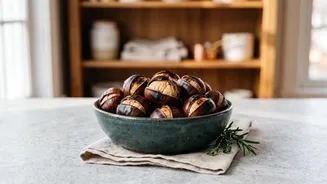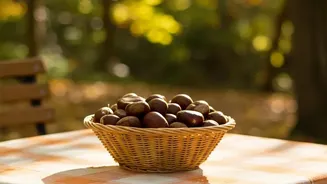




The aroma of roasting chestnuts is a hallmark of the festive season, but the joy can quickly fade when faced with the frustrating task of peeling them. That stubborn inner skin, or pellicle, often clings for dear life. But what if there was a simple secret
to ensure a clean peel every time?
The Promise of a Perfect Peel
Enjoying warm, sweet, and tender chestnuts is a simple pleasure. However, the process can feel like a battle against two layers: the hard outer shell and the thin, papery inner skin that seems determined to stay put. The frustration is common, but the solution is surprisingly straightforward. The key isn't just in how you roast them, but crucially, when you peel them. The claim is true: peeling chestnuts while they are still warm is the single most effective way to remove both the shell and that pesky inner membrane with ease.
Begin with Better Chestnuts
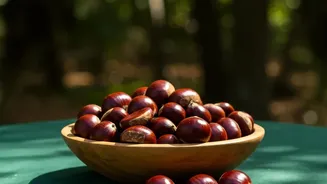
Your success starts at the market. Look for chestnuts that feel heavy for their size, with shiny, firm, and blemish-free shells. Avoid any with a dry, wrinkled appearance, tiny holes, or that rattle when shaken, as these are signs of spoilage or that the nut has dried out inside. Because chestnuts have a high water content compared to other nuts, they are perishable and can get mouldy if left at room temperature. Store them in the refrigerator until you’re ready to use them to maintain their freshness.
The Crucial Step: Scoring
Before any heat is applied, every chestnut needs to be scored. This step is non-negotiable for two reasons. First, it creates a vent for steam to escape, preventing the chestnuts from exploding in the oven. Second, it’s the gateway to an easy peel. Using a sharp paring knife or a serrated knife, place the chestnut on a cutting board with the flat side down for stability. Carefully cut a large 'X' across the rounded side. The cut needs to go through the hard outer shell and pierce the inner skin beneath it. A deep, clean score is your best friend for the steps ahead.
Roasting to Perfection
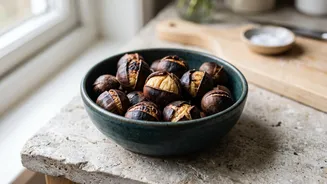
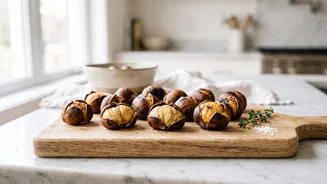
There are several ways to cook chestnuts, but oven-roasting is a classic. Preheat your oven to a hot temperature, around 200-220°C (400-425°F). Some methods suggest soaking the scored chestnuts in water for 30 minutes to an hour before roasting. This helps them steam from the inside, keeping the nut tender and making the skins even easier to remove. After soaking, drain them and spread them in a single layer on a baking sheet. Roast for about 15 to 25 minutes. You'll know they're ready when the shells at the 'X' have peeled back and the nut inside is tender and fragrant.
The Golden Window for Peeling
This is where the magic happens. Once the chestnuts are out of the oven, do not let them cool completely. As they cool, the inner skin tightens and sticks to the nut, becoming incredibly difficult to remove. To make peeling effortless, you need to trap the steam. Immediately transfer the hot chestnuts from the baking sheet into a clean kitchen towel and wrap them up tightly into a bundle. Let them rest and steam inside the towel for about 10 minutes. This process softens both the shell and the skin, making them pliable. Working in small batches while the rest stay wrapped and warm, use your fingers or a small knife to pull away the shell and inner skin. They should come away cleanly.
What If They Get Cold?
If you get distracted and the chestnuts cool down before you've peeled them all, don't despair. You can often salvage them by reintroducing a bit of heat and moisture. Dropping the stubborn chestnuts back into a pot of hot water for a few minutes can help loosen the skins again. Alternatively, a very brief trip back into a hot oven or even a short burst in the microwave can help make them peelable once more. The goal is simply to warm them enough for that inner skin to release its grip, proving once again that warmth is the key to success.