






Create Your Festival Blueprint
The foundation of a stress-free festival is a clear financial plan. Before any shopping begins, sit down and determine a total budget you are comfortable with. List all potential expenses: the idol, decorations, puja essentials, special foods, new clothes,
and gifts. Allocate a specific amount to each category. This prevents impulse buys and helps you track spending. Some families find it helpful to create a dedicated “Ganpati kitty” by setting aside a small amount each month, ensuring funds are ready when the festival arrives without dipping into regular savings. Having a budget doesn't limit joy; it empowers you to make conscious choices that align with both your devotion and your financial well-being.
The Murti: An Eco-Friendly Choice
The Ganesha idol is the heart of the celebration, but it doesn't need to be the biggest expense. The trend towards eco-friendly idols made from natural clay (shaadu mitti) is both environmentally responsible and often more economical than large Plaster of Paris (PoP) ones. Clay idols dissolve harmlessly in water, preventing pollution of lakes and rivers. You can also find beautiful idols painted with natural, non-toxic colours. Consider a smaller, elegantly crafted idol, as devotion isn't measured by size. Some families even embrace their creativity by making their own idols from clay or other biodegradable materials, adding a deeply personal touch to the festivities.
Decorations: Creativity Over Cost
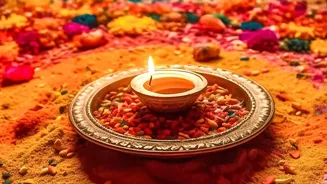
Festive decor can be a significant expense, but it’s also the perfect area for creativity to shine. Instead of buying new plastic or thermocol decorations each year, look at what you already have. Old silk sarees and colourful dupattas can be repurposed to create stunning backdrops. Natural elements like fresh flowers, mango leaves, and banana leaves are not only traditional and beautiful but also biodegradable and inexpensive. Reusing lights, diyas, and lanterns from previous festivals is an easy way to cut costs. You can also get the whole family involved in DIY projects like making paper lanterns, painting earthen diyas, or creating rangoli from turmeric and rice flour.
The Festive Feast: Smart Food Planning
The aroma of festive food is central to the celebration. Planning your menu in advance is key to managing costs. Making traditional sweets like modaks and laddoos at home is far more economical than buying them, and it adds a personal touch of love. When shopping for ingredients, buy non-perishable items like flour, jaggery, and rice in bulk ahead of time to avoid last-minute price spikes. For larger family gatherings, consider a potluck-style meal where each family brings a dish. This not only spreads the cost but also fosters a wonderful sense of community. Focusing on seasonal and local ingredients will also ensure your meals are fresh and affordable.
Gifts and Gatherings: Meaningful Gestures
Gifting and wearing new clothes are a cherished part of many festivals. However, these costs can add up quickly. For clothing, try restyling an old outfit or mixing and matching pieces to create a new look. If you do decide to shop, set a firm budget and look for sales in the months leading up to the festival. When it comes to gifts, remember that sentiment is more valuable than the price tag. Thoughtful, homemade presents like a box of sweets or a small handicraft can be more meaningful than expensive, generic items. For children in the family, starting a small systematic investment plan (SIP) can be a unique gift that grows over time.