



The ‘Free Visa’ Explained
First, let's clarify the headline. While the term 'visa-free' is widely used, what Sri Lanka offers is a free Electronic Travel Authorisation (ETA) for tourists from India and 39 other countries, effective since May 2026. This means you don't pay a fee,
but you absolutely must apply for and receive your ETA online before you fly. Airlines will check for it at boarding. The process is simple: apply on the official government portal, and you'll receive a 30-day, double-entry authorisation, which is more than enough for a whirlwind backpacking trip. Do not rely on getting it on arrival, as this is discouraged and can lead to long delays.
A Plausible 5-Day Itinerary
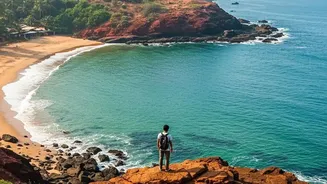
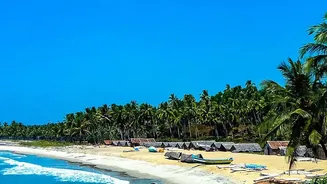
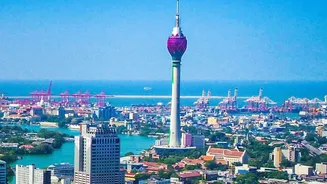
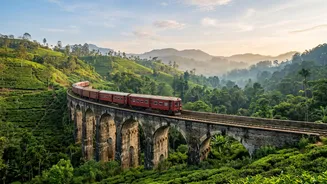
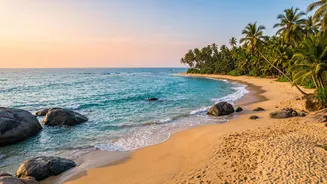
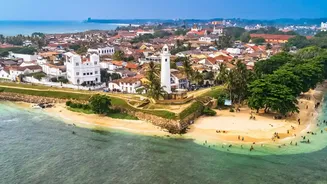
With only five days, you need to be strategic. Forget trying to see the whole island. A popular and manageable route for a short trip focuses on the southern coast and hill country. Day 1: Arrive in Colombo, take a train or bus straight to Galle. Explore the charming Galle Fort in the evening. Day 2: Head east along the coast to Mirissa or Weligama, famous for beaches and beginner-friendly surfing. Day 3: Travel inland to Ella, a backpacker hub nestled in the tea country. This is a longer travel day, but worth it. Day 4: Hike Little Adam's Peak for sunrise, see the Nine Arch Bridge, and soak in the views. Day 5: Take the famous scenic train from Ella to Kandy (or part of the way to Nuwara Eliya) before heading back to Colombo for your flight home. This itinerary offers a taste of Sri Lanka's diverse landscapes: colonial history, beaches, and misty mountains.
Backpacker Budgeting Basics
Sri Lanka remains one of Asia's most budget-friendly destinations. A comfortable daily backpacker budget is between $30 to $50 (roughly ₹2,500 to ₹4,200). This covers a dorm bed or a basic private room in a guesthouse, three delicious local meals, and public transport. Accommodation in hostels or homestays can be found for as little as ₹800–₹1,700 per night. Your main variable costs will be activities like surf lessons or entry fees to major sites like Sigiriya, which you might skip on a short trip to keep costs down. Eating at local 'rice and curry' spots is not only authentic but incredibly cheap, often under ₹1,000 for a full day's meals.
Getting Around The Island
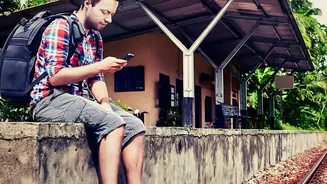
Sri Lanka's public transport is an adventure in itself and perfect for backpackers. The train network is extensive, cheap, and famously scenic, especially the Kandy to Ella route. Book tickets in advance for popular journeys if you can. Where trains don't go, buses will. They are the cheapest way to travel but can be crowded and chaotic—an authentic experience! For shorter distances, like getting from a bus station to your hostel, three-wheeled tuk-tuks are everywhere. Always agree on the price before you start your ride. In major cities like Colombo, ride-hailing apps like Uber and PickMe are available and offer fixed pricing.
Packing Smart and Staying Safe
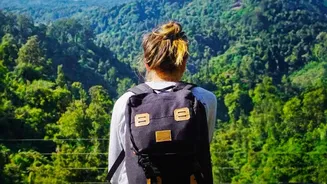
For a five-day trip, pack light. A backpack is essential for navigating public transport. Include lightweight clothing, a rain jacket (especially if travelling during monsoon seasons), swimwear, a reusable water bottle, sunscreen, and insect repellent. Modest clothing is required for visiting temples, so pack something that covers your shoulders and knees. Sri Lanka is generally a safe and popular destination for solo travellers. Standard safety precautions apply: be aware of your surroundings, keep your valuables secure, and inform someone of your itinerary. Getting a local SIM card at the airport is cheap and useful for navigation and staying connected.