


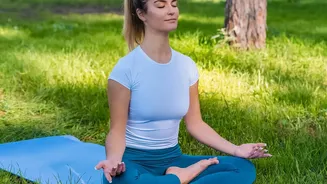


The Science of Exam Stress
Exam season often triggers the body's 'fight or flight' response, flooding the system with stress hormones like cortisol. While a little pressure can be motivating, chronic stress does the opposite. It can lead to anxiety, mental fatigue, headaches, and
poor sleep—all of which get in the way of effective studying and recall. This prolonged state of tension makes it harder to concentrate, process information, and perform well when it matters most. The goal isn't to eliminate all stress, but to manage it. This is where the ancient practice of yoga offers a modern solution, by providing tools to actively calm the nervous system.
How Yoga Calms a Busy Brain
Yoga works by activating the parasympathetic nervous system, also known as the 'rest and digest' system. Practices that combine physical postures, controlled breathing, and mindfulness have been shown to effectively lower cortisol levels. By focusing on the breath and body, yoga helps pull the mind away from anxious, looping thoughts about grades and expectations. This mental shift isn't just a feeling; it has a physiological basis. Studies show that regular yoga can enhance cognitive functions like memory and attention span, making study sessions more productive. Even a few minutes a day can help rewire the brain's response to pressure, building resilience over time.
Quick Desk-Side Destressors
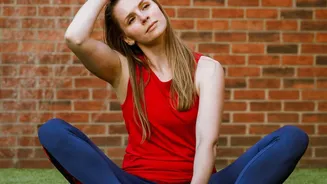
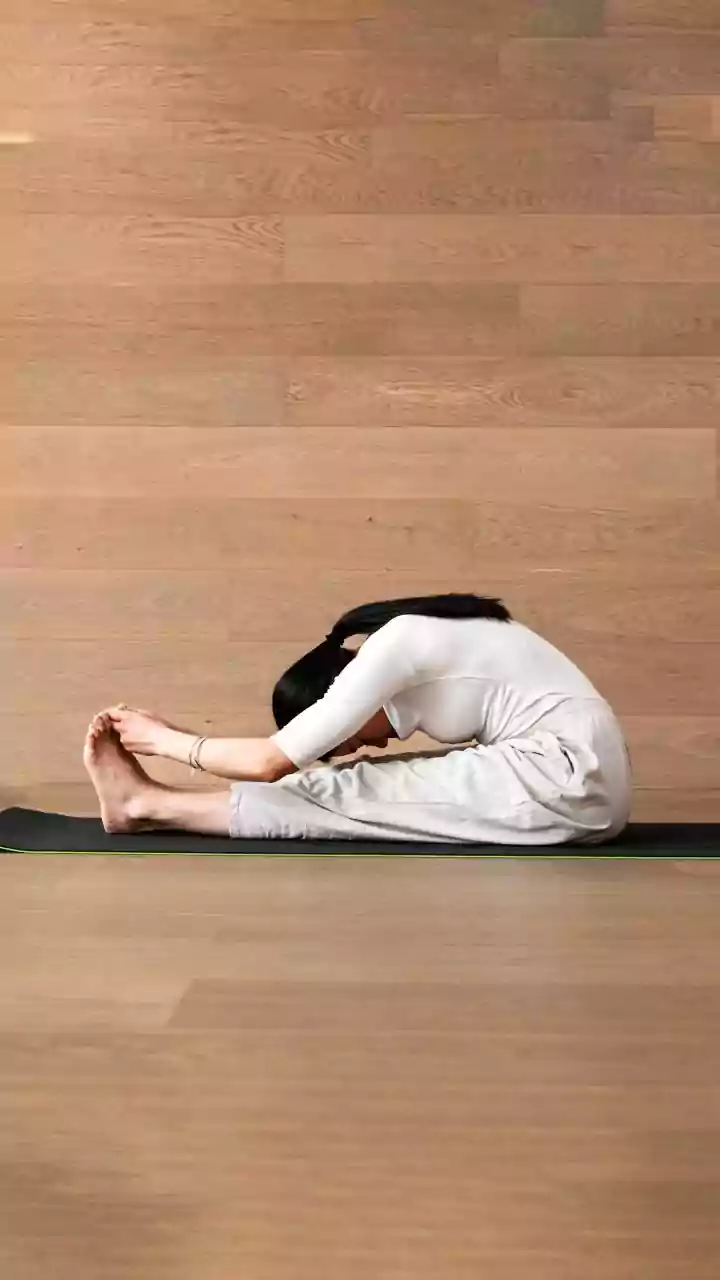
You don't need a full hour or a yoga mat to reap the benefits. These simple moves can be done in five minutes right in a study chair to release tension and reset focus.1. Seated Cat-Cow: Sit on the edge of your chair with feet flat on the floor. Place your hands on your knees. As you inhale, arch your back and look up, opening your chest (Cow). As you exhale, round your spine and drop your chin to your chest (Cat). Repeat 5-8 times to release spinal tension.2. Neck Rolls: Sit tall and gently drop your right ear toward your right shoulder. Hold for a few breaths. Slowly roll your chin down to your chest, then over to the left side. Avoid rolling your head all the way back. This releases stress stored in the neck and shoulders.3. Forward Fold in a Chair: Remain seated and simply fold your torso over your thighs, letting your head and arms hang heavy toward the floor. Breathe deeply into your back. This simple inversion helps get blood flowing to the brain and is deeply calming.
The Pre-Sleep Wind-Down
Quality sleep is one of the most powerful tools for memory consolidation and academic performance. Yet, it's often the first thing sacrificed during exam periods. A mind buzzing with facts and figures can find it hard to switch off. These calming poses, performed just before bed, can prepare the body for deep, restorative rest.1. Child's Pose (Balasana): Kneel on the floor, sit back on your heels, and fold forward, resting your forehead on the floor with arms stretched forward or resting alongside your body. This pose is incredibly restorative and helps quiet the mind.2. Legs-Up-The-Wall Pose (Viparita Karani): Lie on the floor and swing your legs up so they rest against a wall. This gentle inversion is excellent for calming the nervous system and reducing fatigue in the legs after a long day of sitting. Stay here for 5-10 minutes.3. Corpse Pose (Savasana): Lie flat on your back, with arms and legs relaxed and slightly apart. Close your eyes and focus only on your breath. This pose of complete relaxation is the perfect end to any routine, allowing the body to integrate the benefits of the practice.
Making It Fun and Consistent
The key to success is consistency, and the key to consistency is making it enjoyable. Encourage teenagers to put on their favorite calm playlist while they practice. There are hundreds of free, teen-focused guided yoga sessions on platforms like YouTube. Practicing with a friend, even over a video call, can also add a social element that boosts motivation. The goal is not to achieve a perfect pose but to create a personal ritual that feels good. By reframing yoga as a 'tool' rather than a 'task,' it can become a trusted ally during exams and beyond, helping to build healthy coping mechanisms for life.