

The Golden Rules of Navratri Fasting
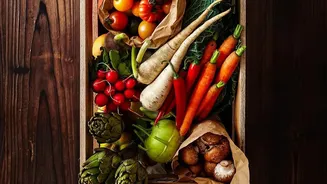
The Navratri fast, or vrat, is a traditional dietary practice that follows a sattvic (pure) framework. The goal is to give the digestive system a rest from heavy or stimulating foods. This typically means avoiding regular grains like wheat and rice, lentils,
onions, garlic, and common table salt. Instead, the diet focuses on fruits, dairy products, certain vegetables, and specific flours. The only salt permitted is sendha namak, or rock salt, which is considered a purer, less processed form. While rules can vary by family and region, the core principle is to consume foods that are light, natural, and easy to digest.
Kuttu Atta: The Fasting Flour Powerhouse
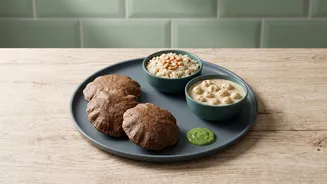
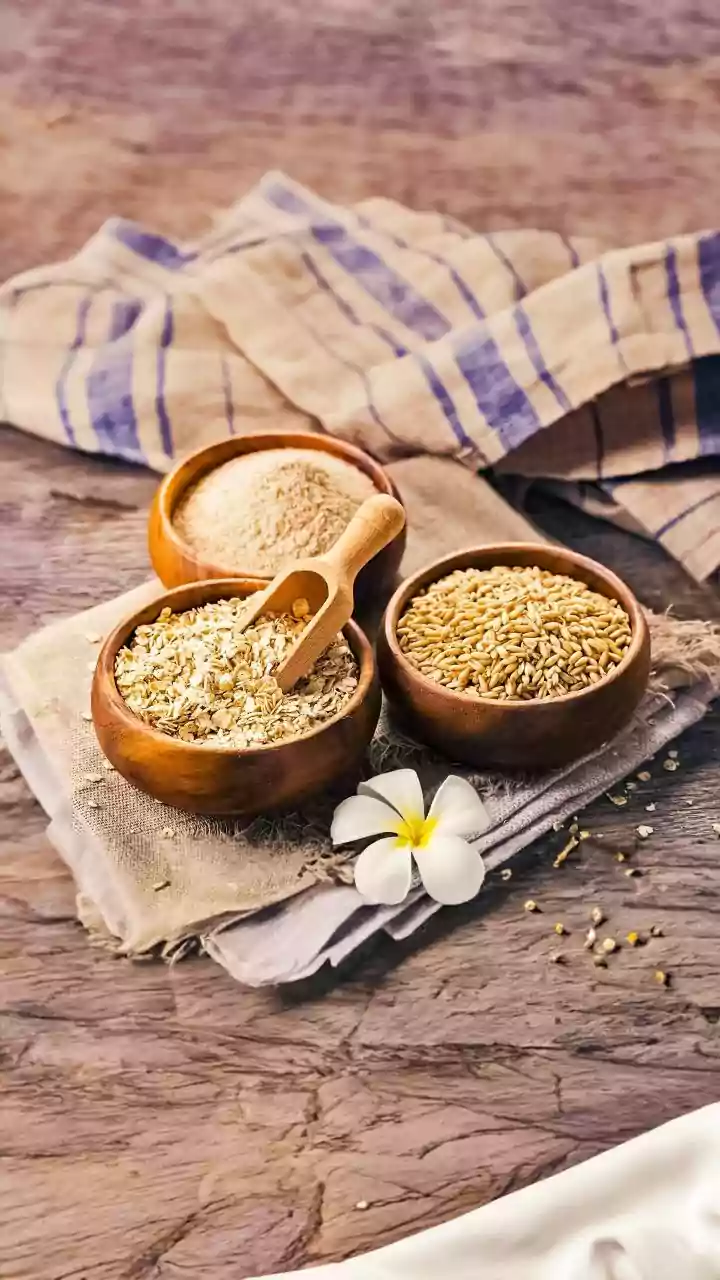
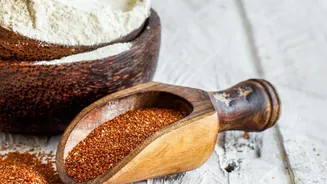
Kuttu ka atta, or buckwheat flour, is a cornerstone of Navratri meals. Despite its name, buckwheat is not related to wheat; it's a gluten-free pseudo-cereal made from the seeds of a fruit. This makes it an ideal choice for fasting. Kuttu is packed with high-quality protein, dietary fibre, magnesium, and B vitamins. Its complex carbohydrates provide sustained energy, which helps prevent the weakness often associated with fasting. The high fibre content also aids digestion and keeps you feeling full longer, making it a nutritious base for dishes like puris, rotis, pakoras, and cheelas.
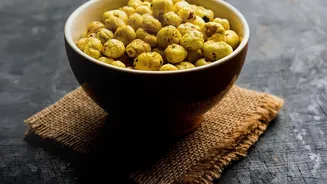
Makhana: The Nutrient-Dense Snack
Makhana, also known as fox nuts or lotus seeds, is another vrat-approved superfood. Classified as a 'phalahari' (fruit-derived) food, it is permitted in almost all Hindu fasts. Makhana is incredibly light and easy to digest, yet it's rich in protein, fibre, and essential minerals like magnesium and potassium. It is low in calories and has a low glycemic index, meaning it provides slow-release energy without causing blood sugar spikes. This makes roasted makhana an ideal snack to manage hunger pangs between meals. It's also versatile enough to be used in kheer, curries, or raita.
Beyond the Basics: Other Vrat Staples
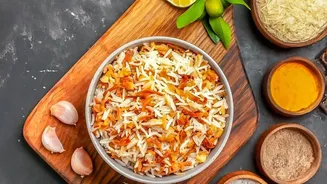
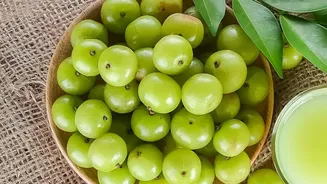
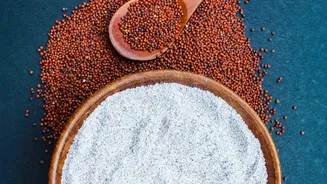
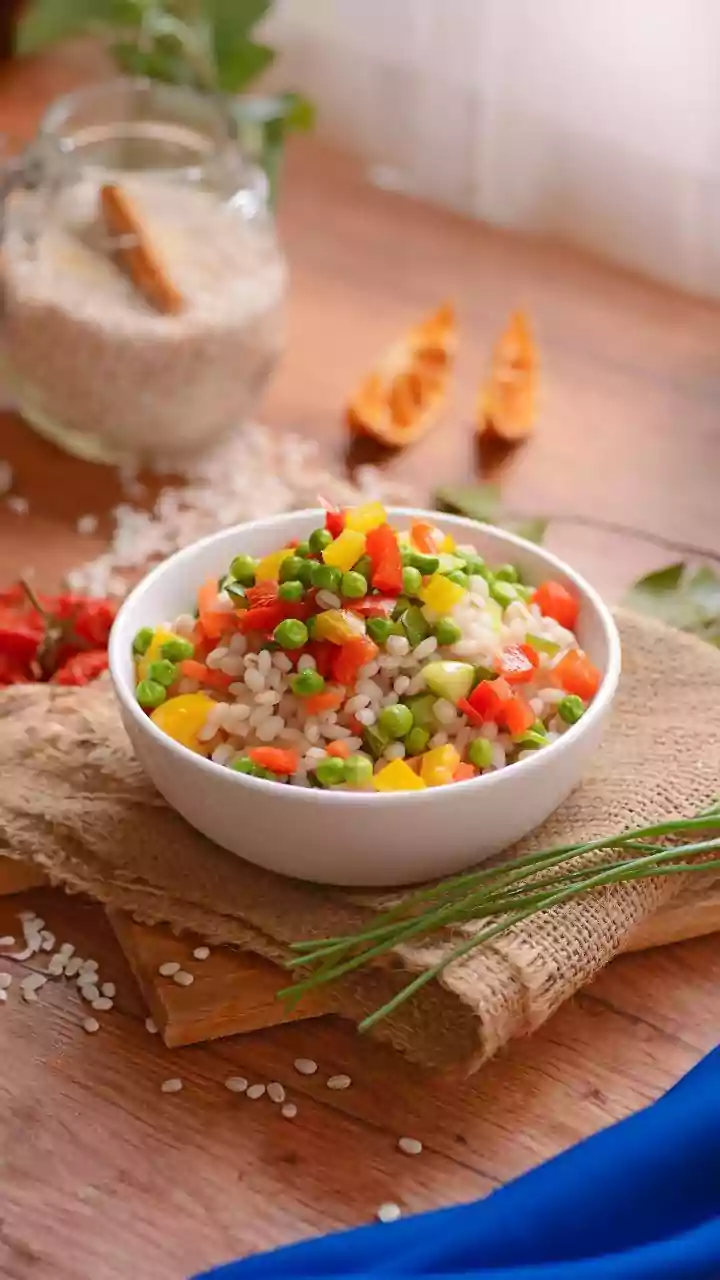
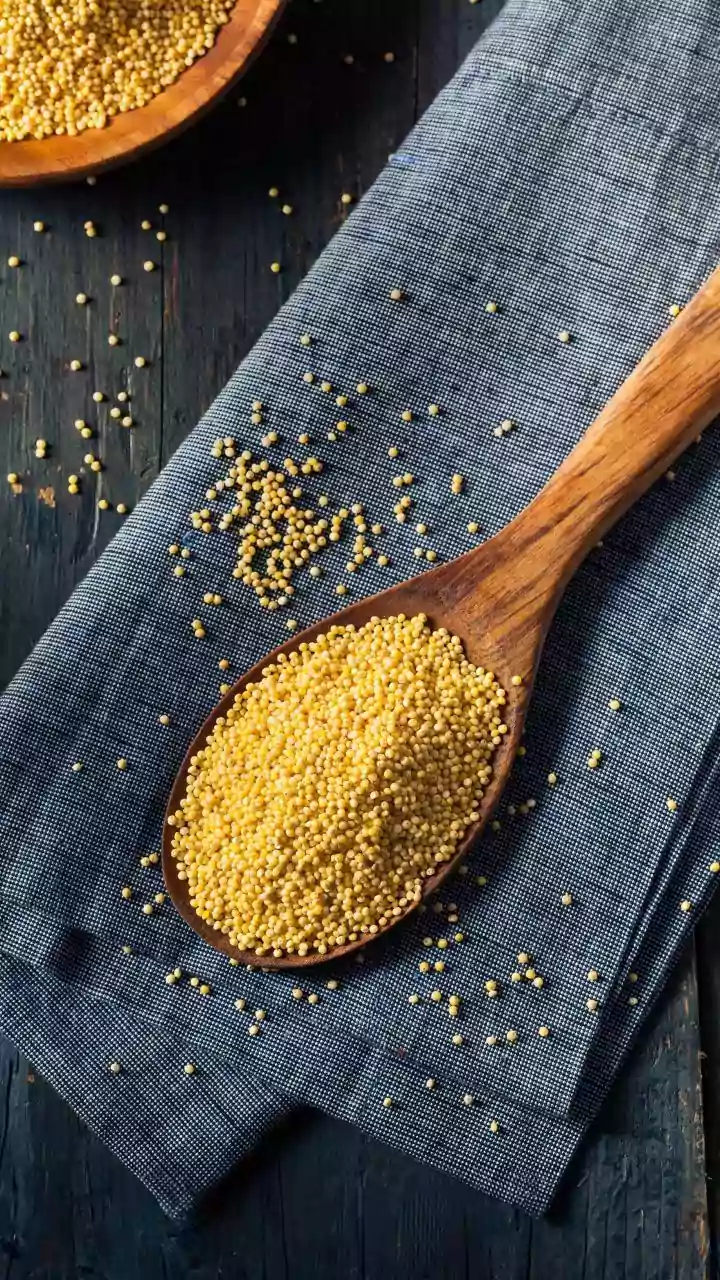
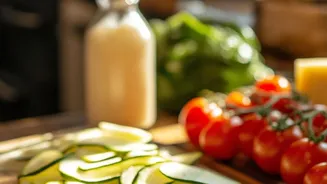
While kuttu and makhana are stars, a Navratri pantry includes many other nourishing options. Flours like singhara atta (water chestnut flour) and rajgira atta (amaranth flour) are also widely used. Samak ke chawal (barnyard millet) serves as a popular substitute for rice in dishes like khichdi and pulao. For vegetables, potatoes, sweet potatoes, pumpkin, and bottle gourd are common choices. Dairy products like paneer, curd, and milk provide essential protein and calcium. All fruits and nuts are permitted, offering natural sugars and healthy fats to keep energy levels stable throughout the day.
Tips for a Healthy and Energetic Fast
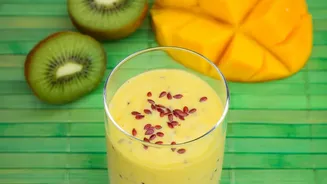
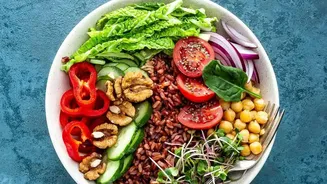
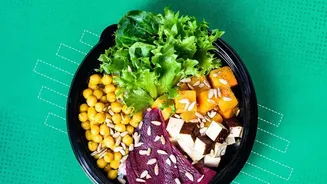
To get the most out of your Navratri fast, focus on balance and hydration. Instead of relying heavily on fried foods like puris and pakoras, try incorporating healthier cooking methods like roasting or baking. Combining different fasting flours can improve the nutritional profile of your meals. It's crucial to stay hydrated by drinking plenty of water, coconut water, and fresh fruit juices. Planning your meals to include a mix of flours, vegetables, dairy, and fruits will ensure you get a wide range of nutrients. This approach helps maintain energy, supports digestion, and makes the fasting period a truly rejuvenating experience.