
Prioritise Paw Protection
A pet's paws are on the frontline during monsoon, constantly in contact with muddy, contaminated water. This makes a strict paw care routine non-negotiable. After every single walk, thoroughly clean and dry your pet’s paws. Pay special attention to the spaces
between their toes, as trapped moisture can quickly lead to painful fungal and bacterial infections. Using a soft towel is a must, and for pets with longer hair, consider trimming the fur between their paw pads to prevent mud from caking and to allow the area to dry faster. Avoid letting your pet walk through or drink from stagnant puddles, which are breeding grounds for dangerous bacteria like Leptospira. If your pet's paws seem cracked or irritated from the damp conditions, a soothing, pet-safe paw balm can help restore moisture and provide a protective barrier.
Adapt Your Grooming Routine
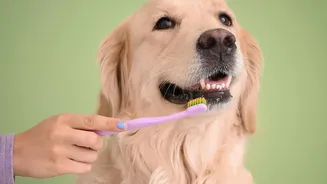
High humidity is the biggest challenge during the monsoon, as a pet’s coat can remain damp long after a walk, creating the perfect environment for skin infections. Brushing your pet daily is crucial to remove debris, prevent tangles where moisture gets trapped, and improve air circulation to the skin. While it may seem counterintuitive, you should bathe your pet less frequently, as over-bathing can strip their skin of natural oils, weakening its defences. When you do bathe them, or after they get caught in the rain, it is absolutely essential to dry them completely. Use a highly absorbent towel followed by a hairdryer on a low, cool setting if your pet tolerates it. Special attention should also be paid to their ears; the damp conditions make them highly susceptible to infections, especially for floppy-eared breeds. Clean their ears weekly with a vet-approved solution.
Commit to Vet-Guided Parasite Prevention
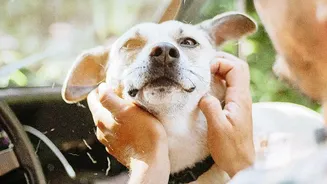
The warm, wet weather of the monsoon is peak season for parasites like ticks and fleas, which multiply rapidly in these conditions. These aren't just an itchy nuisance; they are carriers for serious illnesses like tick fever, which sees a major spike during this time. A daily tick check is essential. Run your hands all over your pet’s body after they’ve been outside, paying close attention to hidden spots like inside the ears, under the collar, between the toes, and in their armpits. However, manual checks are not enough. It is vital to follow a consistent, vet-guided tick and flea prevention program. Whether you use spot-on treatments, chewable tablets, or medicated collars, your veterinarian can recommend the most effective and safest option for your pet's specific needs, age, and lifestyle. Starting this regimen before the monsoon fully sets in provides the best protection.
Manage Diet, Hydration and Indoor Environment
Monsoon can also bring digestive issues, often from pets drinking contaminated water. Always provide fresh, clean, and preferably boiled or filtered drinking water, and change it multiple times a day. The high humidity can also cause dry pet food to spoil or grow mould quickly, so store it in an airtight container to maintain its freshness. Since heavy rains might shorten or cancel walks, your pet will be spending more time indoors. Keep them mentally and physically stimulated with indoor games and training exercises to prevent boredom and anxiety. It's also important to ensure their bedding is washed frequently and kept completely dry, as damp bedding can contribute to skin problems and is a haven for parasites. If your pet is scared of thunder, create a safe, quiet den-like space for them where they can feel secure during storms.