





The Sky-High Cost of a Festive Ticket
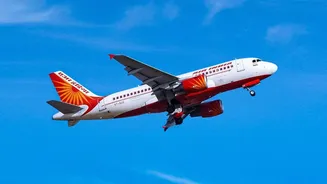
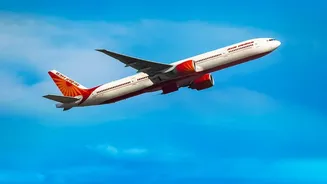
Anyone searching for flights around Diwali or Christmas this year has noticed the alarming trend: ticket prices on major domestic routes have climbed dramatically. According to aviation data, average one-way fares for the festive period have surged by
as much as 68% on key routes like Delhi-Hyderabad and 51% on Mumbai-Kolkata compared to last year. On high-demand dates, some travellers have reported one-way tickets crossing ₹20,000. This sharp increase is driven by a perfect storm of factors. Persistently high aviation turbine fuel (ATF) costs, which make up a huge portion of an airline's expenses, are a primary culprit. This is combined with incredibly strong passenger demand and a slight reduction in the number of flights on some routes, giving airlines greater power to price tickets higher.
The Great Shift to Road and Rail
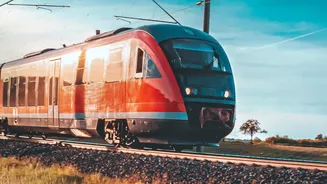
Faced with unaffordable flight costs, a significant number of travellers are pivoting to alternatives. The most notable change is a renewed appreciation for Indian Railways. Even premium AC train tickets are often substantially cheaper than economy flights during the festive peak. For many, the train offers a practical solution, especially when considering the generous baggage allowance—typically 50 kg per adult in AC classes, compared to just 15 kg on many budget flights. This makes it an attractive option for those carrying gifts and other essentials home. Beyond trains, road trips are also gaining popularity. Families and groups of friends are opting for drivable getaways to nearby destinations, turning the journey itself into part of the holiday experience and completely bypassing airport-related costs and chaos.
Redrawing the Holiday Map
The high cost of air travel is not just changing how people travel, but also where they go. Instead of long-distance flights to traditional holiday spots, many are exploring destinations closer to home. A recent report on festive travel highlighted a surge in bookings for destinations accessible by road or a short train ride. Popular choices include places like Hampi, Gokarna, Varkala, and Rishikesh. Interestingly, Himalayan getaways like Sangla and Kalpa have seen bookings triple compared to last year, suggesting travellers are actively seeking out new, more affordable experiences. This trend has also given rise to the 'smart luxury' trip, where travellers opt for shorter but higher-quality stays, focusing on experiences over long-haul transit.
A New Pattern: Multiple, Shorter Breaks
The single, long holiday during the festive season is also evolving. Travel data shows a growing trend of people taking multiple, shorter getaways instead. A report from hostel chain Zostel noted that nearly a quarter of their guests took more than one trip during the festive quarter last year, and bookings for 2026 are already 50% ahead. These trips are often spontaneous, with the majority of bookings made within a week of travel. This behaviour indicates a shift towards more flexible and budget-conscious planning. Rather than splurging on one expensive flight-based holiday, travellers are spreading their budget across several smaller, more manageable trips, often planned at the last minute to take advantage of any available deals.