





A Monsoon on the Ropes
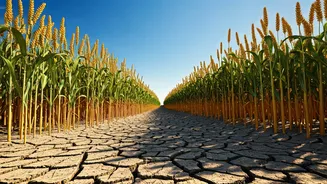
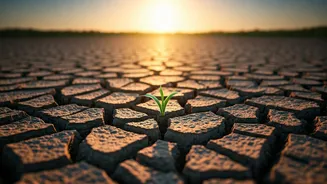
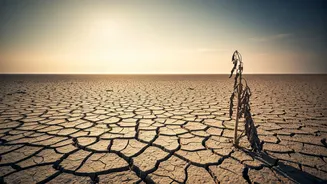
The Southwest monsoon, the lifeblood of Indian agriculture, has had a shaky start in 2026. As of late June, rainfall across the country is significantly below average—around 43% less than normal, marking one of the weakest starts in over a decade. [2,
3] The India Meteorological Department (IMD) has forecast that the season's total rainfall will likely be “below-normal,” at about 90% of the Long-Period Average. [2, 6] This deficit is attributed to a combination of factors, including a strengthening El Niño in the Pacific, a weak Somali Jet stream that pushes moisture into the subcontinent, and an unhelpful phase of the Madden-Julian Oscillation. [2] For millions of farmers, this isn't just a weather report; it's a direct threat to the Kharif sowing season, which depends almost entirely on these rains. [5]
Why Millets are the Smart Choice
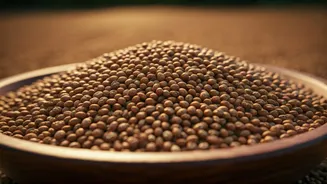
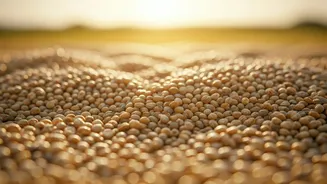
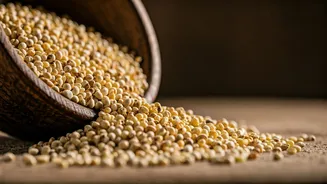
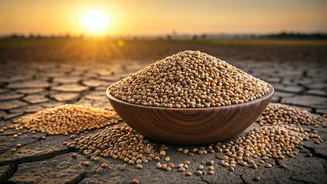
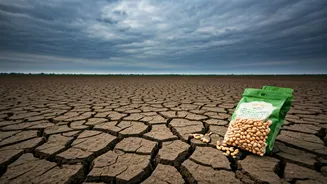
Enter millets, the climate-smart grains known locally as 'Shree Anna'. Crops like jowar (sorghum), bajra (pearl millet), and ragi (finger millet) are famously resilient. They require significantly less water than thirsty crops like rice and sugarcane, with some estimates suggesting their rainfall requirement is less than 30% of that for rice. [9, 13] Their ability to thrive in arid conditions, on poor quality soil, and with minimal inputs makes them an ideal contingency crop. [7] Many millets also have a shorter-duration cycle, maturing in 90-95 days compared to the 180-plus days for crops like cotton, allowing farmers more flexibility and reducing their risk exposure in a volatile year. [10] This hardiness is why government bodies and agricultural experts are actively encouraging a shift to millets, especially in rain-fed regions. [4]
Government Prepares for a Dry Spell
The Central Government is taking the threat of a weak monsoon seriously. Union Agriculture Minister Shivraj Singh Chouhan recently chaired a high-level meeting to review Kharif preparedness, acknowledging the rainfall deficit and the potential impact of El Niño. [3, 20] The government has identified 315 districts as vulnerable to below-normal rainfall, with 111 of those labelled “high-priority” due to their limited irrigation coverage (less than 25%). [4, 5] In response, a multi-layered strategy has been unveiled. States have been advised to promote the cultivation of less water-intensive crops like millets, pulses, and oilseeds. [20, 21] Contingency plans include ensuring the availability of seeds for these alternate crops and preparing to manage potential fodder shortages for livestock. [3] The focus is on preparing in advance rather than reacting to a crisis. [3]
The View from the Farm
For farmers on the ground, the decision to plant millets is not just about following advisories; it's a practical, economic choice. [10] Beyond the weak monsoon, some farmers are already grappling with other challenges, such as pest attacks on cash crops like cotton. [10] The lower input costs, reduced reliance on labour, and quicker turnaround of millets make them an economically rational choice, especially in a year marked by uncertainty. [10] The shift represents a move toward resilience, a way to mitigate risk and ensure some level of income even if the rains fail to deliver. Research has consistently shown that yields from grains like millet and sorghum are more resilient to extreme weather events and show smaller declines during droughts compared to rice. [17, 18]
Long-Term Shift or Short-Term Fix?
While the immediate trigger is the 2026 monsoon's poor performance, the growing interest in millets is part of a larger trend. Following the 'International Year of Millets' in 2023, there has been a concerted push from the government to revive these 'nutri-cereals'. [18] Millets are not only good for the farmer and the environment; they are also packed with nutrients, offering a solution to both food security and nutritional deficiencies. [7, 13] The current crisis may accelerate a more permanent shift in cropping patterns as climate change continues to make weather patterns more erratic. [17] By turning to these ancient grains, Indian agriculture could be taking a crucial step towards a more sustainable and climate-resilient future, turning a potential climate challenge into an opportunity for adaptation. [5]