








The Front Door: Your Wi-Fi and Passwords
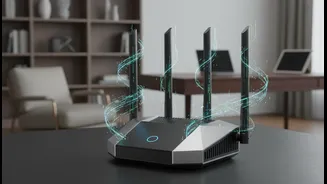
The router is the front door to your digital home, and a weak password is like leaving it unlocked. Many smart devices ship with shockingly simple default passwords like “admin” or “1234,” which are well-known to cybercriminals. Failing to change these
is one of the most common and easily exploited vulnerabilities. An attacker can use these default credentials to access your network and potentially take control of everything connected to it, from security cameras to smart locks. The solution requires a two-pronged approach. First, secure your Wi-Fi router itself by changing its default administrator password and giving the network a name that doesn't personally identify you or your address. Second, every single device on that network needs a strong, unique password. Using a password manager can help generate and store complex passwords, making this task much more manageable. Enabling multi-factor authentication (MFA) wherever possible adds another critical layer of security, requiring a second form of verification to block unauthorized access.
The Device's Brain: Why Firmware Updates Matter
If a password is the key, firmware is the device's operating system—its brain. Manufacturers regularly release firmware updates not just for new features, but to patch security holes that have been discovered. Neglecting these updates leaves your devices vulnerable to known exploits. Attackers specifically target devices with outdated firmware because they present a predictable and easy entry point into your home network. Once compromised, a single device, like a smart TV or thermostat, can be used as a backdoor for hackers to spy on your activities, steal personal data, or even enlist your gadgets into a 'botnet' to launch larger cyberattacks. Many people ignore update notifications, but treating them with urgency is essential for digital safety. Some devices offer automatic updates, which is the best-case scenario. For others, you may need to manually check the manufacturer's website or app. Before purchasing a new device, it's wise to research the manufacturer's track record for providing consistent and long-term security updates.
The Convenience Trap: Securing Remote Access
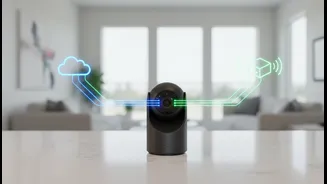
The ability to unlock your door, check your cameras, or adjust your thermostat from miles away is a major selling point of the smart home. However, this remote access is also a significant security risk if not managed properly. Every feature that allows you to control your home from the outside is a potential vector for someone else to do the same. Unsecured remote management features can be exploited by hackers to gain control of your systems. The first rule is to disable any remote access or cloud features you don't actively use. For the services you do use, ensure they are protected with strong, unique passwords and multi-factor authentication. It's also a good practice to regularly review access logs for your devices, if available. Looking for unrecognized IP addresses or access at odd hours can help you spot a breach early. For particularly sensitive devices like security cameras or baby monitors, consider covering the lens when not in use or disconnecting them from the network entirely to guarantee privacy.
Building a Safer Smart Home
A truly secure smart home goes beyond these three pillars. One effective strategy is network segmentation. Many modern routers allow you to create a separate 'guest' Wi-Fi network. By placing all your smart home devices on this separate network, you can isolate them from your primary computers and smartphones that hold your most sensitive personal and financial data. This way, even if a smart light bulb is compromised, the attacker can't easily jump to your laptop. Furthermore, it’s important to take inventory of what's connected to your network. Every device is a potential vulnerability, so if you have old gadgets you no longer use, disconnect them. When you dispose of an old smart device, always perform a factory reset to wipe your personal data and network credentials. Adopting this proactive mindset—from purchase to disposal—is the key to enjoying the convenience of a connected home without sacrificing your peace of mind.