


Why Food Combining Is Key
Protein is made of building blocks called amino acids. There are nine essential amino acids that our bodies cannot produce, so we must get them from food. A food that contains all nine is called a 'complete protein'. While most animal products like milk
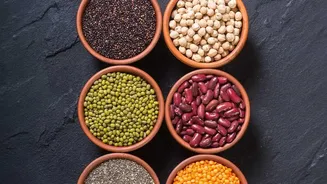
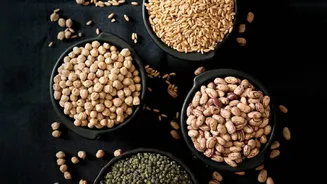
and paneer are complete proteins, most plant foods are not. For instance, dals and legumes are typically low in an amino acid called methionine, while grains like rice and wheat are low in lysine. This is where the wisdom of Indian cuisine shines. By combining foods from these two groups, each one fills the nutritional gap of the other, creating a high-quality, complete protein meal right on your plate.
Dal and Rice: The Ultimate Comfort Protein
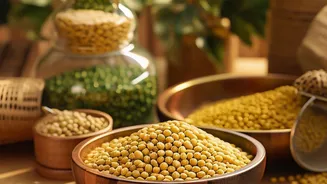
The humble plate of dal-chawal is more than just comfort food; it's a perfect example of protein complementation. Lentils (dal) are rich in lysine but lack methionine, while rice is the opposite. When eaten together, they provide all nine essential amino acids, making the meal a complete protein source. Whether it’s toor dal, moong dal, or masoor dal, pairing it with steamed rice ensures you are getting a wholesome, muscle-repairing meal. A single serving of dal-chawal can provide approximately 12-16 grams of complete protein, making it a reliable staple for any day of the week.
Roti and Legumes: A North Indian Powerhouse
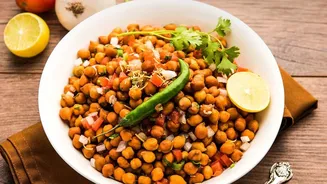
Just like rice, whole wheat (atta) used to make rotis pairs perfectly with legumes. A meal of Rajma-Chawal or Chole with Roti is not just a Sunday special but a nutritionally balanced feast. Kidney beans (rajma) and chickpeas (chana) are packed with protein, but they need a grain partner to complete their amino acid profile. A serving of rajma curry with one or two rotis can deliver around 15 grams of protein, making it a hearty and satisfying meal that supports muscle health and keeps you full for longer.
Khichdi: The One-Pot Wonder
Often seen as food for recovery, khichdi is one of the most balanced meals in Indian cuisine. It's a pre-combined mix of rice and lentils (usually moong dal), which means it is inherently a complete protein source. Easy to digest, khichdi ensures that the protein is readily absorbed by the body. Adding vegetables to it not only increases the fibre content but also adds essential vitamins and minerals. A serving of vegetable khichdi can contain between 8 to 17 grams of protein, depending on the lentil-to-rice ratio and added ingredients.
Paneer with Vegetables and Grains
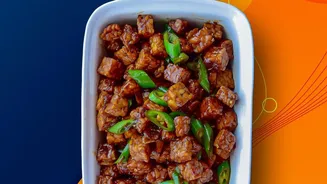
Paneer, or Indian cottage cheese, is one of the few vegetarian foods that is a complete protein on its own. Made from milk, it contains all essential amino acids and is a favourite among vegetarians for muscle building. A 100-gram serving of paneer can offer between 18 to 21 grams of protein. To create a balanced meal, combine paneer with fibre-rich vegetables in a sabzi or bhurji and serve it with whole-wheat rotis. This combination boosts the meal's overall nutritional value, adding fibre and complex carbohydrates for sustained energy.
Curd and Nuts/Seeds: The Versatile Boost
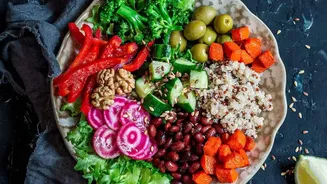
Curd (dahi) is another excellent complete protein source readily available in Indian homes. A cup of curd can provide around 11 grams of protein. You can enhance its benefits by turning it into a snack or a light meal. Mix it with a handful of protein-rich nuts like almonds and walnuts or seeds like flax and chia. This combination not only increases the protein content but also adds healthy fats and fibre, making for a filling and nutritious snack. Raita, a simple dish of curd mixed with vegetables like cucumber and tomato, is another delicious way to add protein to any meal.
Sattu: The Traditional Energy Drink
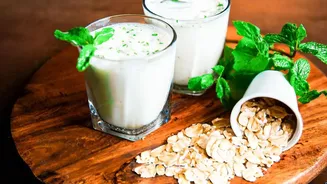
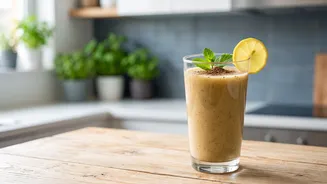
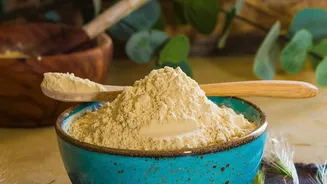
Sattu, a flour made from roasted Bengal gram, is a traditional superfood, especially popular in states like Bihar and Uttar Pradesh. It's a powerhouse of plant-based protein, offering about 20-25 grams of protein per 100 grams. As a drink mixed with water, salt, and lemon juice, it serves as a cooling and hydrating beverage that provides sustained energy. Because it's derived from a legume, its protein becomes more complete when consumed as part of a diet that also includes grains. You can also use sattu to make protein-rich parathas or ladoos.