




The Superfood Next Door
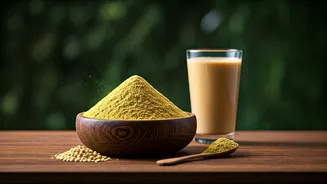
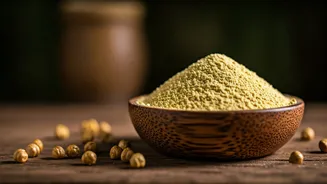
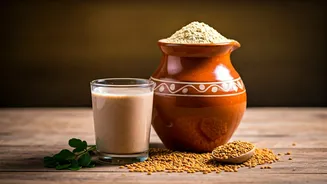
For generations, sattu has been the secret weapon of farmers and labourers in states like Bihar, Jharkhand, and Uttar Pradesh. Made from roasted gram flour (besan) or a mix of roasted pulses and cereals, this unassuming powder is a nutritional powerhouse.
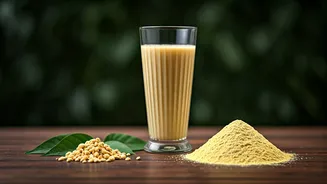
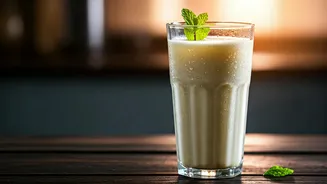
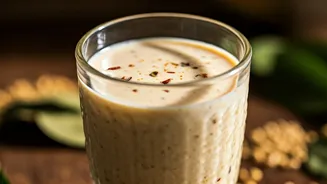
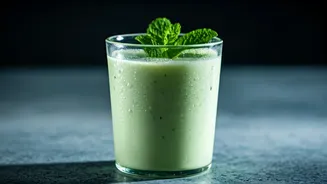
Traditionally mixed with water, salt, and a squeeze of lemon to create a savoury, cooling sharbat, it was valued as an affordable and instant source of energy, protein, and fibre, perfect for beating the harsh Indian summer heat. It’s often called the “poor man’s protein” for its accessibility and potent benefits, providing sustained energy without the crash associated with sugar.
The Downside of the Synthetic Buzz
The shift towards sattu is happening for a reason. Young consumers are becoming increasingly aware of what they put into their bodies. Synthetic energy drinks, once seen as a quick fix for late-night study sessions or pre-workout boosts, are facing growing scrutiny. Many are loaded with staggering amounts of sugar—often more than the daily recommended limit in a single can—along with high levels of caffeine and a cocktail of artificial stimulants, colours, and flavours. The result is often a temporary high followed by a jarring 'crash,' along with concerns about potential long-term health effects like anxiety, insomnia, and heart palpitations. For a generation focused on holistic wellness, this quick-fix model is losing its appeal.
A Nutritional Knockout
When you place sattu and a typical energy drink side by side, the difference is stark. Sattu is a whole food. It’s rich in plant-based protein, which is essential for muscle repair and growth, making it an ideal post-workout drink. Its high fibre content aids digestion and promotes a feeling of fullness, preventing unhealthy snacking. Furthermore, it has a low glycemic index, meaning it releases energy slowly and steadily, preventing the blood sugar spikes and crashes common with sugary drinks. It's also a natural coolant, hydrating the body effectively. In contrast, synthetic energy drinks offer little to no nutritional value beyond a jolt of caffeine and a dose of sugar, often contributing to dehydration rather than solving it.
Fuelled by Fitness and Pride
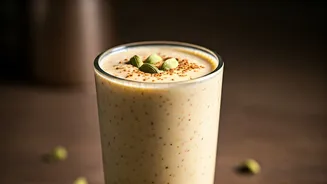
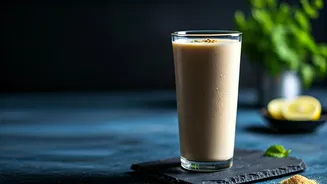
This comeback is being championed by a new wave of fitness influencers and dietitians on social media. They are demystifying traditional Indian foods and presenting them in a modern, scientifically-backed context. A quick scroll through Instagram or YouTube reveals countless recipes for sattu protein shakes, smoothies, and even energy bars. This trend also taps into a larger cultural movement: a renewed sense of pride in Indian heritage. The 'vocal for local' sentiment has encouraged people to look within their own culture for solutions, and sattu is a perfect example of ancient wisdom meeting modern wellness needs. It’s authentic, sustainable, and deeply rooted in Indian identity.
From Street Carts to Startups
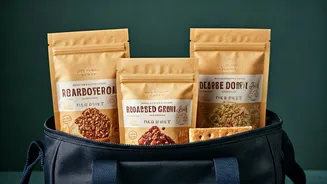
The market is responding to this growing demand. While traditional street vendors continue to serve freshly made sattu drinks, a new crop of startups is reimagining it for the urban consumer. They are offering pre-packaged, hygienically prepared sattu mixes in a variety of flavours, from classic savoury to sweet chocolate and vanilla. These convenient, ready-to-mix formats make it easy for a busy student or young professional to get their sattu fix without any hassle. This modern packaging is bridging the gap between a traditional staple and the fast-paced lifestyle of today’s youth, making sattu more accessible and appealing than ever before.