



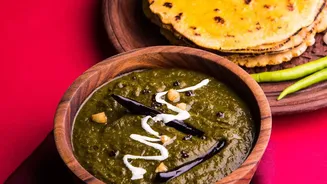
Mustard Greens (Sarson)
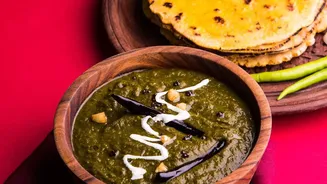
The quintessential winter green, Sarson ka Saag is more than just a celebratory dish. Mustard greens are a powerhouse of nutrients, including vitamins K, A, and C, as well as iron and calcium. Their slightly pungent, earthy flavour brings a unique depth
to meals. While the classic saag is a must-try, you can add variety by finely chopping the leaves and adding them to your daily dal for a nutrient boost, stuffing them into parathas for a hearty breakfast, or wilting them into a simple sabzi with garlic and potatoes. Their high fibre content also aids digestion, which can become sluggish in colder months.
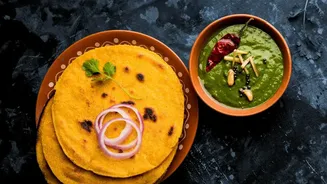
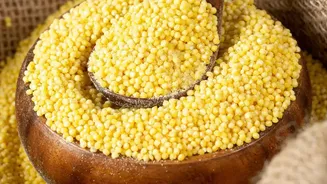
Pearl Millet (Bajra)
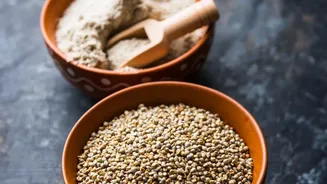
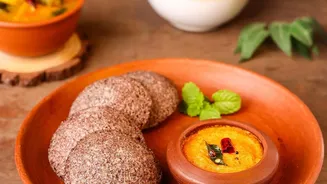
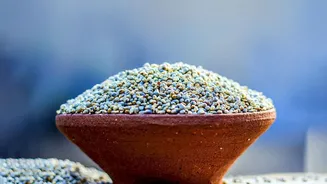
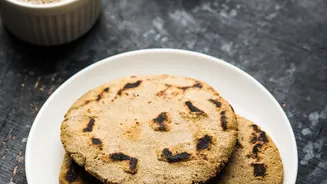
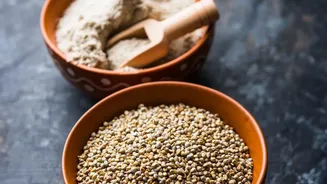
A traditional staple in states like Rajasthan, Gujarat, and Haryana, bajra is a perfect grain for winter. It is known for its warming properties and is a dense source of energy, making it ideal for combating the lethargy that can accompany cold weather. This gluten-free millet is rich in magnesium, iron, and fibre, which supports heart health and aids digestion. Instead of reserving it for special occasions, make bajra roti a regular feature in your meals. You can also use bajra flour to make a nutritious porridge (khichdi) with vegetables and lentils for a complete one-pot meal that keeps you full and energised.
Carrots (Gajar)
Winter brings the vibrant, sweet red carrots known as 'Delhi carrots', and they are far too versatile to be used only for Gajar ka Halwa. Carrots are an excellent source of beta-carotene, which the body converts to Vitamin A, crucial for good vision and a strong immune system. For daily meals, grate them into salads or raita for a fresh, crunchy element. They can be quickly stir-fried into a simple poriyal or sabzi with minimal spices, or added to vegetable pulao and sambar for natural sweetness and colour. Juicing them with ginger and amla is another great way to get a morning dose of vitamins.
Fenugreek Leaves (Methi)
Fresh methi leaves are abundant and at their flavourful best during winter. Known for their distinct bitter taste, they are packed with iron and fibre. Traditionally used to help manage blood sugar levels, methi is a fantastic addition to a healthy winter diet. Beyond the popular Aloo Methi, you can add these leaves to almost anything. Knead chopped methi into your chapati or thepla dough, sprinkle it over dals just before serving for a fresh aroma, or mix it into pakora batter for a healthier tea-time snack. Its anti-inflammatory properties can also help soothe the body.
Sweet Potato (Shakarkandi)
Often seen as a street-side snack, shakarkandi is a wonderfully nutritious and versatile root vegetable. It is a great source of fibre, vitamins, and complex carbohydrates, providing sustained energy without spiking blood sugar. For a simple daily meal, you can make a quick sabzi by cubing and sautéing it with Indian spices. Mashed sweet potato can be turned into delicious tikkis or cutlets, which are healthier than potato-based versions. For a savory breakfast, try making a sweet potato bharta by mashing boiled sweet potatoes with ghee, cumin, and ginger. Its natural sweetness also makes it a great candidate for healthier desserts like halwa or kheer.
Sesame Seeds (Til)
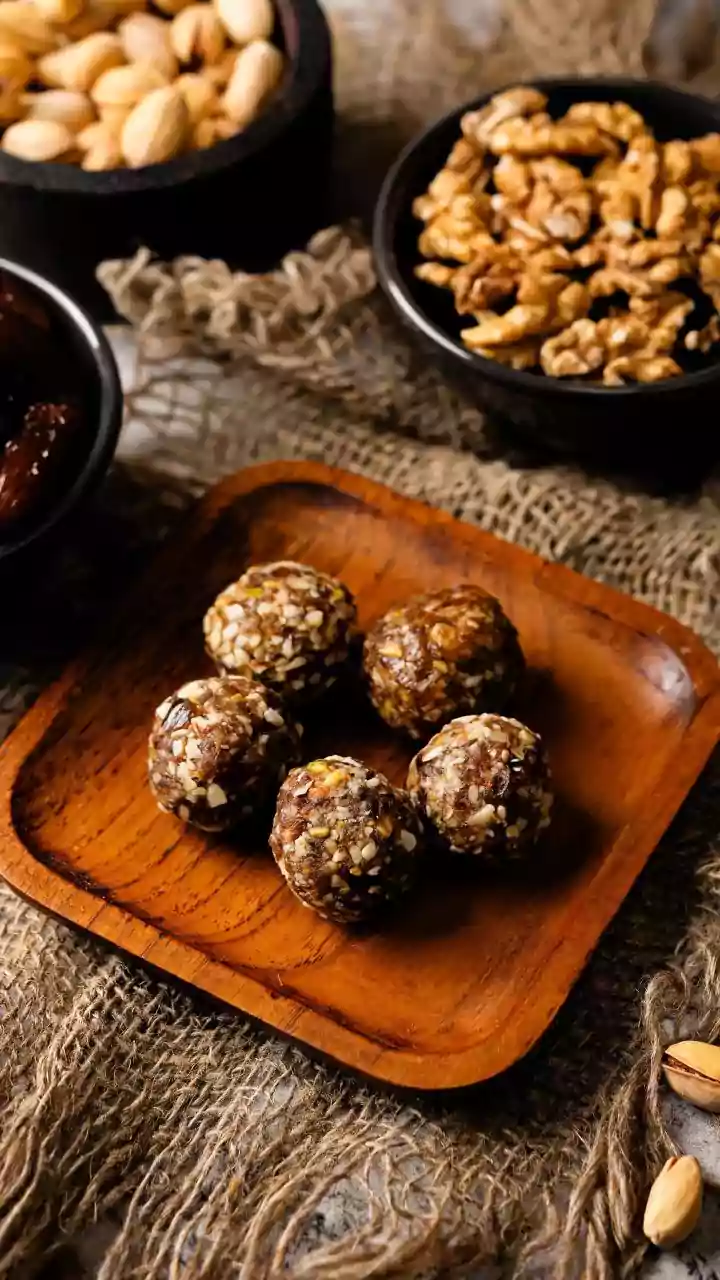
Makar Sankranti celebrations are incomplete without til, and for good reason. These tiny seeds are nutritional giants, loaded with calcium, healthy fats, and minerals like zinc and magnesium. They are considered a warming food in Ayurveda, helping to boost energy and keep the body insulated. While til ladoos and chikki are popular winter treats, you can easily incorporate sesame seeds into daily cooking. Use them in the tadka for dals and vegetable dishes, sprinkle toasted seeds over salads and stir-fries for a nutty crunch, or grind them into a powder to thicken gravies and add nutrients.
Edible Gum (Gondh)
Gondh, or edible gum, is a traditional winter powerhouse, especially known for its use in ladoos given to new mothers for recovery. Harvested from tree sap, gondh is prized for its ability to generate heat in the body and strengthen bones, making it particularly beneficial during the cold season. It is rich in calcium and is known to boost immunity and stamina. To add it to your diet, you don't need to make elaborate sweets every day. Simply fry a small amount of gondh in ghee until it puffs up, crush it, and add the powder to a glass of warm milk, panjiri, or even your morning porridge for an extra dose of warmth and strength.