


Starting your day with a balanced meal is key to steady energy. A simple sprinkle of nutrient-rich seeds can be a powerful strategy to help support a healthy blood sugar response, turning your breakfast into a metabolic ally.
1. Chia Seeds: The Fibre-Rich Hydrator
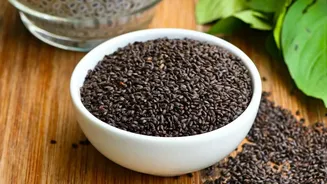
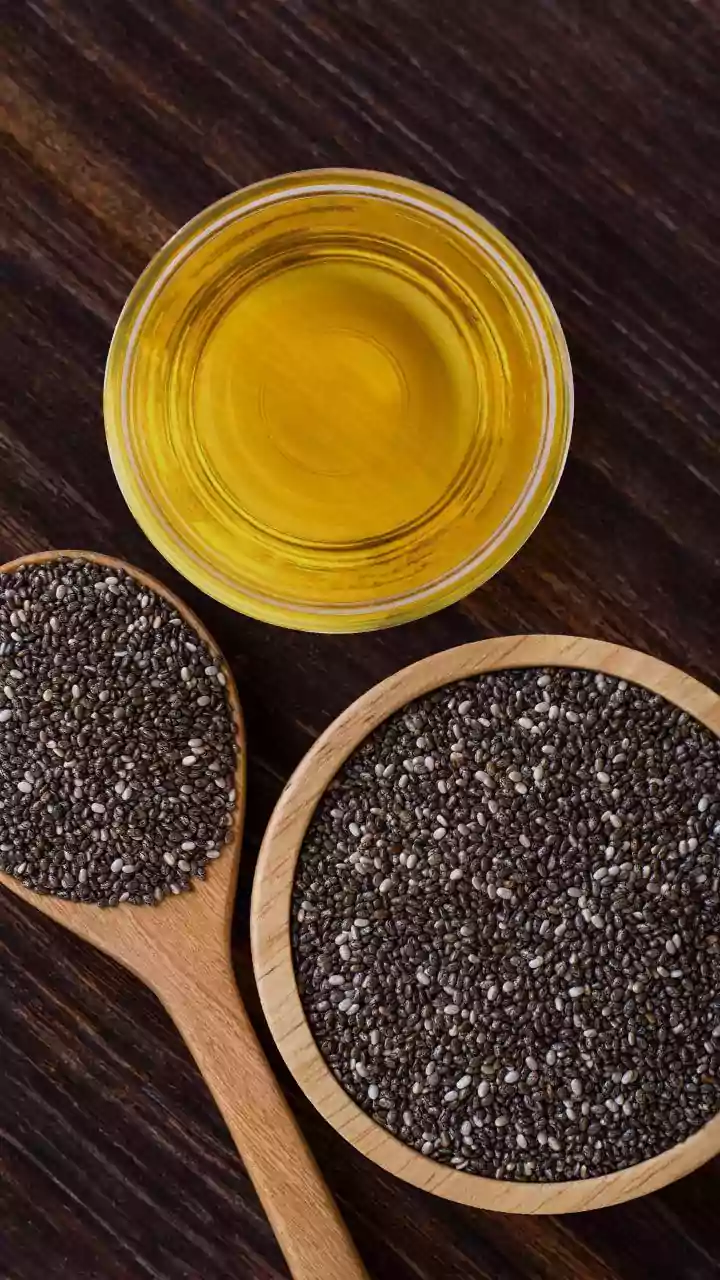
These tiny black and white
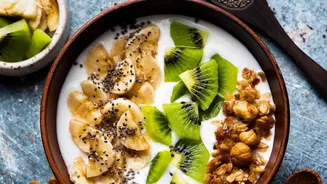
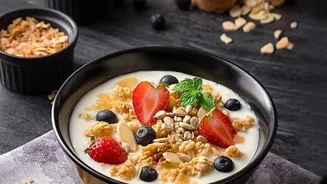
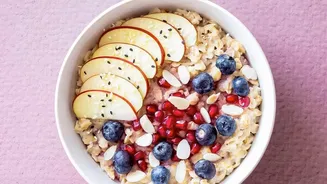
seeds are nutritional powerhouses, celebrated for their ability to aid in blood sugar regulation. Chia seeds are exceptionally rich in soluble fibre, which absorbs water to form a gel-like substance in your digestive system. This process slows down the digestion and absorption of carbohydrates, preventing sharp spikes in blood sugar after a meal. Studies suggest that this high fibre content can improve insulin sensitivity, making it easier for your body to manage glucose. Furthermore, chia seeds are a great source of magnesium and plant-based omega-3 fatty acids, both of which play roles in metabolic health and reducing inflammation. To use them, try making a chia pudding overnight or simply stir a tablespoon into your morning oatmeal, smoothie, or yoghurt.
2. Flax Seeds: The Lignan and Omega-3 Leader
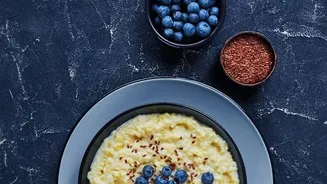
Flax seeds, or 'alsi', are another excellent choice for supporting stable blood sugar. They are loaded with soluble fibre that slows down the release of sugar into the bloodstream. Research has shown that daily consumption of ground flaxseed can significantly reduce post-meal glucose levels in individuals with type 2 diabetes. Beyond fibre, flax seeds are the richest dietary source of lignans, plant compounds with antioxidant properties that may help improve insulin sensitivity. They are also packed with alpha-linolenic acid (ALA), an essential omega-3 fatty acid known to fight inflammation. For best results, consume flax seeds ground, as whole seeds may pass through your system undigested. Sprinkle ground flaxseed over poha, upma, or mix it into your dosa batter or morning cereal.
3. Pumpkin Seeds: The Magnesium Marvel
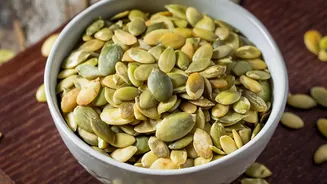
Often enjoyed as a simple snack, pumpkin seeds (pepitas) offer significant benefits for glucose management. Their very low glycemic index means they have a minimal impact on blood sugar levels. A key nutrient here is magnesium; pumpkin seeds are one of the best natural sources of this mineral, which is crucial for insulin function and sensitivity. Many people with insulin resistance have been found to be deficient in magnesium, making pumpkin seeds a valuable dietary addition. The healthy combination of fibre, protein, and healthy fats in these seeds also promotes satiety and provides stable energy without glucose spikes. Enjoy a small handful raw or roasted (unsalted is best) or sprinkle them over avocado toast or a bowl of fruit for a satisfying crunch.
4. Sunflower Seeds: The Vitamin E Protector
Sunflower seeds are not just for snacking; their nutritional profile makes them a smart addition to a blood_sugar_conscious diet. They possess a low glycemic index, which helps prevent sudden increases in blood sugar. Rich in healthy fats, protein, and fibre, they slow down digestion and sugar absorption. Sunflower seeds are particularly abundant in vitamin E, a potent antioxidant that can help combat inflammation and oxidative stress, both of which are linked to diabetes complications. They also provide magnesium, which aids in insulin response. One study noted that consumption of sunflower seeds helped in reducing the risk of type 2 diabetes. Add a tablespoon of unsalted sunflower seeds to salads, trail mixes, or yoghurt for added texture and nutrients.
5. Sesame Seeds : The Anti - Inflammatory Ally
Common in Indian cuisine, sesame seeds ('til') have a low glycemic index and are rich in compounds that may support blood sugar control. They contain unique lignans, like sesamin, which possess anti - inflammatory and antioxidant properties that can improve insulin sensitivity. Some research has shown that sesame consumption can lead to significant improvements in fasting blood sugar and HbA1c levels in people with type 2 diabetes. The combination of healthy fats , protein , and fibre contributes to their ability to moderate glucose absorption . You can easily incorporate them by sprinkling them on vegetable stir - fries , adding them to salads , or using tahini (a paste made from sesame seeds) as a dressing or dip .