
The Soul of the Sandwich: Understanding Ladi Pav
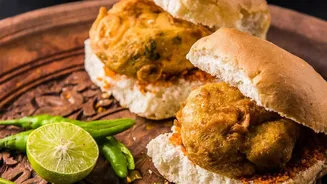
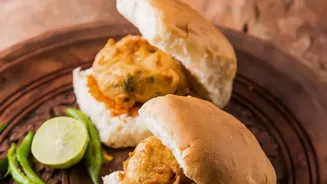
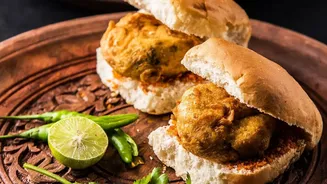
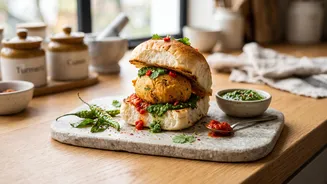
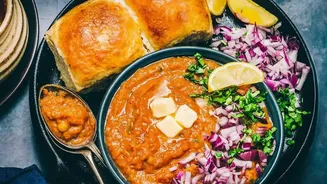
The traditional bread for a vada pav is the ladi pav. This isn't just any bread roll; it's a specific style of soft, pull-apart bread with a slightly sweet taste. The name 'ladi' refers to the chain or block formation it's baked in, which keeps the sides
incredibly soft and tender while the top gets a gentle golden hue. Its unique texture is what makes it the perfect vehicle for the vada. A good ladi pav is pillowy and squishy enough to compress around the vada without falling apart, soaking up the chutneys and flavours beautifully. The bread's mild sweetness provides a perfect counterpoint to the spicy vada and pungent garlic chutney. This balance is crucial; the pav is not just a container but an active participant in the flavour profile.
From the Market: How to Choose the Best Pav
When you’re buying pav from a local bakery or store, freshness is key. Look for pav that is visibly soft and plump. Gently press a roll; it should feel airy and spring back slowly. Avoid anything that feels dense, hard, or dry. The colour should be a pale, golden-brown on top, not dark or overly crusty. Remember, the goal is softness, not a crunchy crust. The best ladi pav is baked in large trays where the individual rolls are connected and have to be torn apart, which ensures those signature soft sides. If you have the choice, opt for these pull-apart blocks over individually baked buns, as they are more likely to have the authentic texture needed for a classic vada pav experience.
Beyond the Bakery: Tips for Homemade Pav
For the ambitious home cook, making your own pav is a rewarding journey. The secret to that feathery, soft texture lies in the dough. Most recipes rely on maida (all-purpose flour), yeast, sugar, salt, and, crucially, milk and butter. Milk adds richness and contributes to a softer crumb, while butter provides flavour and tenderness. The key is proper kneading—at least 10-15 minutes—to develop the gluten, which gives the bread its structure and spring. Don't be afraid if the dough is sticky at first; continue kneading until it becomes smooth and elastic. Another vital step is the double proofing: first, let the entire dough ball rise until doubled, and then, after shaping the individual rolls, let them rise again in the pan until they are puffy and touching. This second rise is what creates the light, airy final product.
Thinking Outside the Bun: Bread Substitutes
While ladi pav is traditional, sometimes you need to improvise. If you can't find authentic pav, soft dinner rolls are your next best bet. Look for the fluffiest, most unassuming rolls you can find. Slider buns can also work in a pinch, though they are often a bit denser. Some modern cafes even use burger buns, creating a fusion 'vada pav burger'. While these substitutes can work, they will change the experience. A brioche bun, for instance, is much richer and sweeter due to its high egg and butter content, which might overpower the vada's delicate spices. The goal is to find a bread that complements, not competes. A simple, soft white bread roll will always be a better choice than a heavy, artisanal one.
Pairing Pav with Popular Vada Pav Variations
Different vada pav variations can benefit from a thoughtful bread choice. For the classic batata vada with green and garlic chutneys, nothing beats the traditional, soft ladi pav. However, for more loaded versions like Schezwan vada pav or cheese vada pav, you might consider a slightly sturdier bun. The extra sauces and melted cheese require a bread that can handle the moisture without becoming a soggy mess. For these, a denser dinner roll or a premium, slightly thicker pav can be a great option, providing the necessary structure to hold everything together. There's even a fusion version called the 'Vada Pav Bomb', where the entire stuffed pav is dipped in batter and fried, which requires a bun that can withstand the heat and hold its shape.