



The Healthy Food with a Hidden Risk
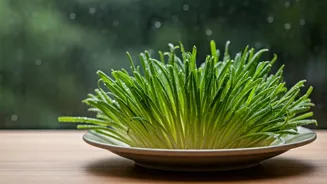
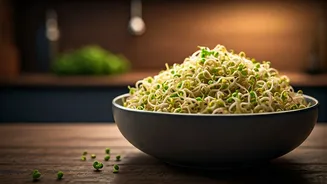
Sprouts are celebrated as a superfood, packed with vitamins, minerals, and enzymes. They are a staple for the health-conscious across India, appearing in everything from breakfast bowls to evening chaats. However, the very conditions that make sprouts
grow—warmth and humidity—are also the perfect breeding ground for harmful bacteria like E. coli and Salmonella. The contamination often starts before the sprout even begins to grow. The bacteria can be present on the seeds themselves, and as the sprout germinates over several days, the bacterial count can multiply to dangerous levels. This means that even sprouts grown in a clean home kitchen can pose a risk if the seeds were contaminated at the source.
Why Isn’t Washing Enough?
Many of us diligently wash our fruits and vegetables, and it’s a great habit for removing surface dirt and pesticides. But when it comes to sprouts, washing is not a foolproof safety measure. Research from food safety agencies like the US FDA has shown that bacteria can work their way inside the seed's protective coat. Once inside, no amount of rinsing can wash them away. The bacteria then become part of the sprout's tissue as it grows. This is why you can hear of foodborne illness outbreaks linked to sprouts that were otherwise handled hygienically. While rinsing might remove some surface contaminants, it doesn’t eliminate the primary risk that lies within the sprout itself.
The Simple Swap: Raw for Lightly Cooked
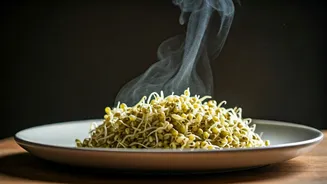
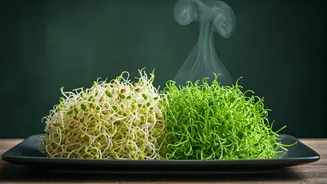
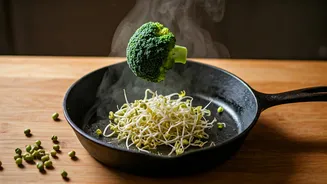
So, what’s the simple swap that can keep you safer? It’s not about giving up sprouts, but about changing how you prepare them. The safest way to consume sprouts is to cook them thoroughly. Swapping your raw sprout salad for a lightly cooked or steamed version is the single most effective step you can take to mitigate the risk. Heat effectively kills harmful bacteria like E. coli and Salmonella, rendering the sprouts safe to eat. This doesn't mean you have to turn them into a mushy curry every time. A quick steam, a brief boil, or a fast stir-fry is all that is needed to bring them to a safe temperature while retaining much of their satisfying crunch.
How to Make Your Sprouts Safer
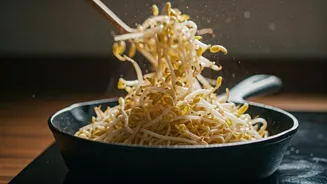
Cooking sprouts for safety is quick and easy. You don't need to overcook them. The goal is simply to heat them through. Here are a few simple methods: 1. **Steaming:** Place sprouts in a steamer basket over boiling water for 3-5 minutes. They will become tender-crisp and bright green. 2. **Boiling:** Drop the sprouts into a pot of boiling water for just 1-2 minutes, then drain them immediately. You can plunge them in cold water afterwards to stop the cooking process and keep them crunchy for salads. 3. **Sautéing or Stir-frying:** Add sprouts to a hot pan with a little oil towards the end of your cooking. Sauté for 2-3 minutes until they are heated through. This works perfectly for fried rice, noodles, or a quick sabzi. Food safety bodies recommend cooking sprouts until they are steaming hot throughout to ensure any potential pathogens are destroyed.
But What About the Nutrients?
A common concern is that cooking will destroy the delicate nutrients that make sprouts so healthy. It's true that some heat-sensitive vitamins, particularly Vitamin C, may be slightly reduced during cooking. However, the loss is often minimal with quick cooking methods like steaming or blanching. Furthermore, cooking can actually have benefits. It can break down anti-nutrients, making minerals like iron, calcium, and zinc more available for your body to absorb. The protein in sprouts also becomes easier to digest. When you weigh the minor loss of one or two vitamins against the significant benefit of eliminating the risk of a serious foodborne illness, the choice becomes clear. A lightly cooked sprout is still a nutritional powerhouse, but a much safer one.