






A Paradise Under Pressure
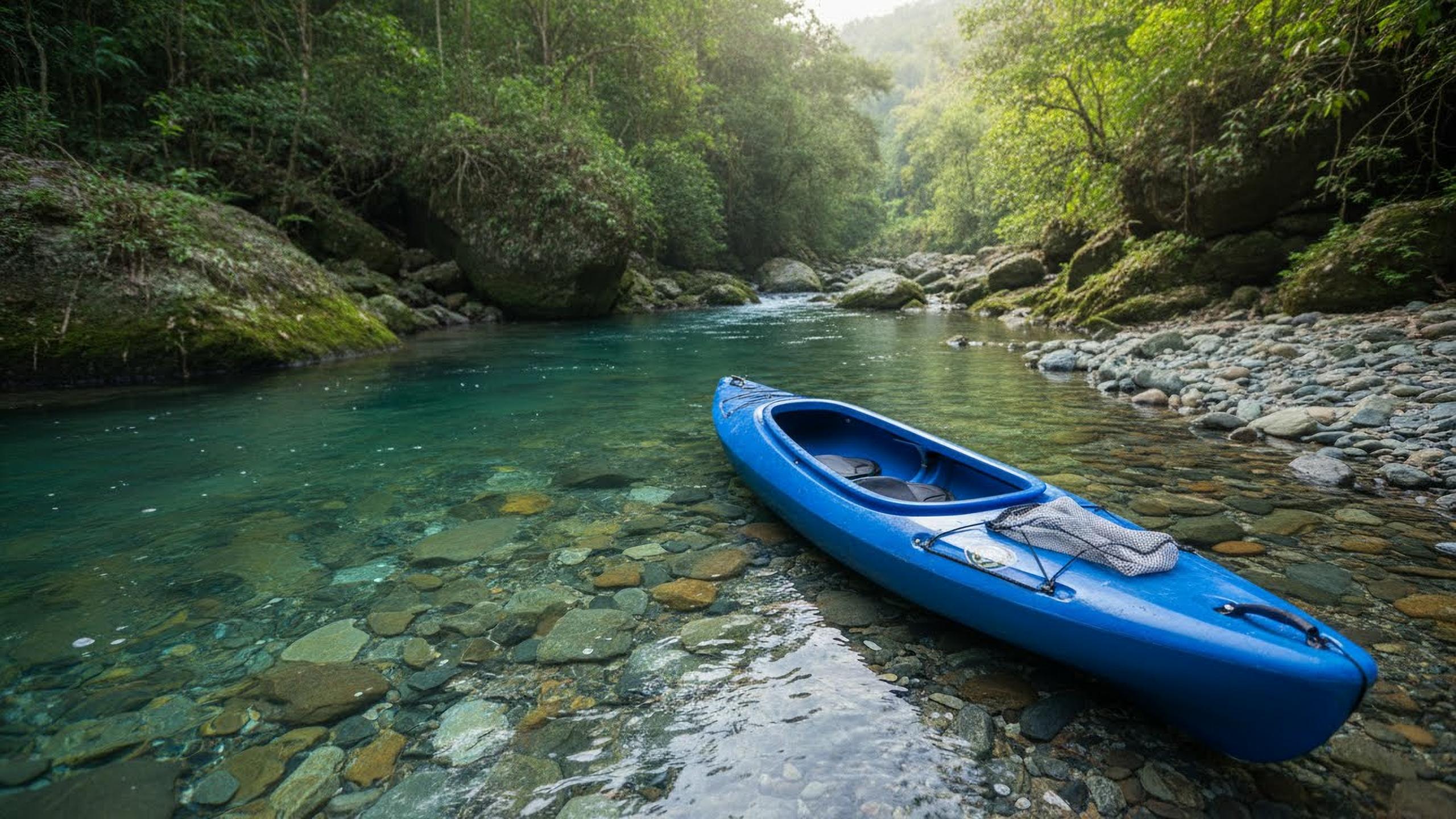
Meghalaya, the 'Abode of Clouds', is renowned for landscapes that seem almost mythical. Central to this allure are its rivers, particularly the Umngot River in Dawki, which has gained fame for its astonishingly clear water. For years, images of boats
appearing to float in mid-air on its transparent surface have drawn tourists from across the globe. However, this surge in popularity has brought with it the inevitable side effect of pollution. Plastic bottles, wrappers, and other tourist-related waste have begun to threaten the very purity that makes these rivers so special, creating a visible strain on the fragile ecosystem. This has prompted growing concern among locals and environmentalists about preserving one of India's most stunning natural treasures.
Paddling with a Purpose
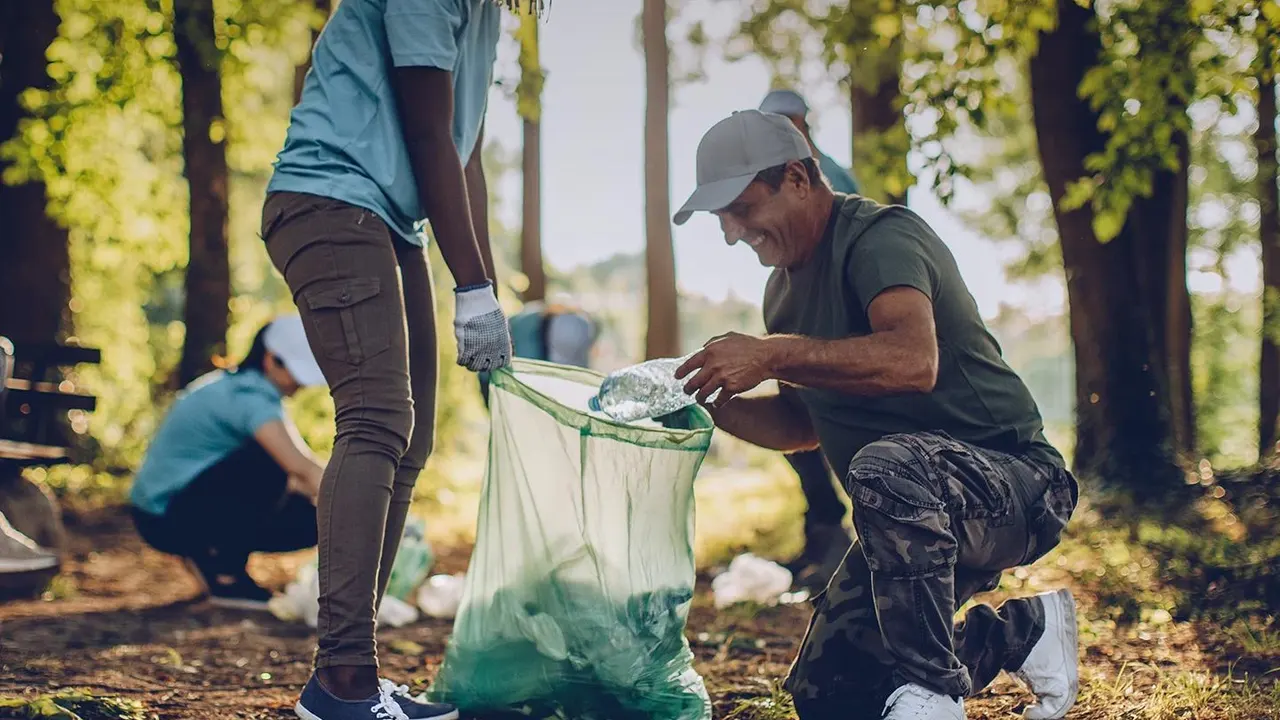
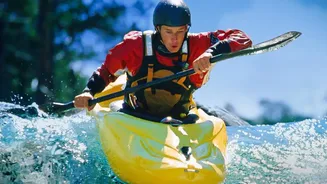
In response to this challenge, a beautiful and effective solution has emerged: eco-conscious kayaking. Instead of just being passive admirers, visitors are now being encouraged to become active custodians of the rivers they enjoy. The concept is simple yet powerful: combine the thrill of adventure sports with a meaningful act of conservation. Tour operators and local community groups are increasingly offering guided kayaking trips that have a dual mission. Tourists get to paddle through the breathtaking scenery, while also participating in organised clean-up efforts, a movement often called 'plalking' or 'plogging' on water.
How the Eco-Kayaking Trips Work
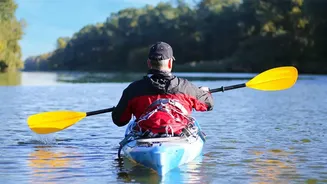
These initiatives are designed to be accessible to everyone, from seasoned paddlers to first-time kayakers. Upon joining a trip, participants are equipped not only with a kayak, paddle, and life jacket but also with mesh bags and gloves for collecting rubbish. As the group paddles along scenic routes, often led by local guides who share insights into the region's ecology, they stop to collect any floating debris they encounter. The focus is typically on plastic waste, which is a major pollutant. At the end of the journey, the collected waste is brought back to shore for proper disposal and segregation. This hands-on approach transforms a simple holiday activity into a powerful environmental statement.
More Than Just a Clean-Up
While the immediate goal is to remove litter from the water, the long-term impact of these trips goes much deeper. The experience fosters a profound connection between the participants and the environment. By actively cleaning the river, tourists develop a stronger sense of ownership and responsibility. Organisers have found that this initiative is not just about the kilograms of trash collected but about changing mindsets. It educates visitors about the consequences of littering and promotes a culture of sustainable tourism. This form of eco-adventure leaves a lasting impression, encouraging travellers to be more mindful of their environmental footprint wherever they go. The model shows that tourism can be part of the solution, not just the problem.
The Ripple Effect of Responsible Tourism
The success of these cleaning-kayaking trips in Meghalaya serves as an inspiring model for other tourist destinations facing similar challenges. The initiative empowers local communities, providing them with an economic stake in conservation and reinforcing the value of their pristine natural resources. It proves that adventure and activism can go hand-in-hand, creating a richer, more meaningful travel experience. While the fight against pollution is ongoing, every bottle pulled from the river is a small victory. These paddling purists are not just keeping the waters clean; they are sending a clear message that the beauty of nature is worth protecting, one paddle stroke at a time.