






Go Warm and Light
High humidity slows down our metabolism and digestive processes. [9, 11] The body diverts energy to cool itself, which can lead to bloating, acidity, and a feeling of heaviness. [9, 14] Nutritionists recommend shifting from heavy meals to lighter, warmer
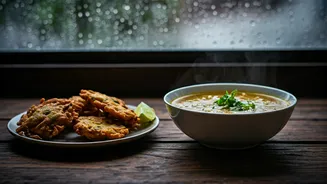
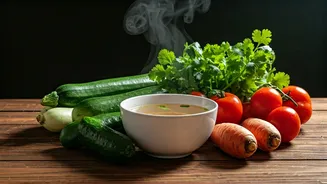
options. Think of nourishing, freshly-cooked meals like vegetable soups, dal, and khichdi. [17, 28] These are not only easy on the gut but also provide comfort. [6] According to Ayurveda, warm foods help kindle the 'Agni' or digestive fire, which is considered to be weak during the rains. [11, 22] Avoiding cold foods and chilled beverages is also wise, as they can further slow digestion and increase susceptibility to colds and coughs. [20] Opt for warm herbal teas instead. [29]
Embrace Immunity-Boosting Spices
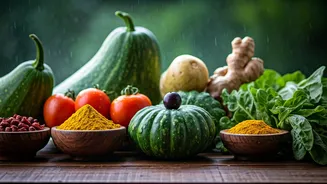
Your kitchen spice box is a powerful ally during the monsoon. Spices like turmeric, ginger, garlic, black pepper, and cumin are celebrated for their immunity-boosting and anti-inflammatory properties. [6, 18] Turmeric contains curcumin, a compound known to enhance immunity. [3] Ginger and garlic have strong antibacterial and antiviral qualities that can help ward off common monsoon infections like coughs and colds. [3, 8] Incorporating these spices into your daily cooking—in dals, soups, and vegetable preparations—can help strengthen your body's natural defenses and also aid digestion. [27] A simple ginger-tulsi tea can be a soothing and protective daily ritual. [18, 26]
Be Smart About Fruits and Vegetables
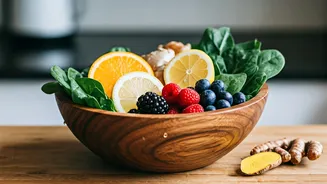
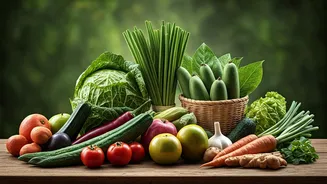
While fruits and vegetables are essential, the monsoon calls for a more cautious approach. Raw vegetables and leafy greens like spinach and cabbage can be a source of contamination due to dirt and moisture, making them risky to consume raw. [18, 20, 30] It's best to wash all produce thoroughly, preferably in clean or boiled water, and stick to cooked or steamed vegetables. [9, 29] Opt for seasonal gourds like bottle gourd (lauki), ridge gourd (tori), and bitter gourd (karela), which are easy to digest. [19, 27] For fruits, choose seasonal options like pomegranates, apples, pears, papaya, and jamun, which are packed with vitamins and antioxidants that bolster your immune system. [19, 26] Avoid pre-cut fruits from street vendors, as they are prone to contamination. [24]
Focus on Gut-Friendly Probiotics
Gut health is paramount during the monsoon, as a balanced gut microbiome is key to a strong immune system. [16] Probiotic-rich foods help maintain this balance. Freshly prepared curd (yoghurt) and buttermilk (chaas) are excellent choices. [18, 28] Buttermilk, in particular, is lighter and helps in digestion without causing mucus build-up, which can be a concern for some during this season. [29] These foods introduce beneficial bacteria into your digestive tract, helping to prevent common monsoon-related stomach issues. [23] Ensure any dairy products you consume are fresh and have been stored hygienically to avoid the risk of bacterial growth, which is higher in humid weather. [24, 30]
Hydrate Intelligently
Even though the weather is humid and you might not feel as thirsty, staying hydrated is crucial. Dehydration can contribute to a sluggish digestive system. [9] However, how you hydrate matters. Instead of cold water, which can hamper digestion, opt for boiled, filtered water served warm or at room temperature. [29] Herbal teas infused with ginger, tulsi, or cinnamon are excellent for both hydration and boosting immunity. [3, 23] Warm vegetable broths and soups are another great way to meet your fluid requirements while providing essential nutrients in an easily digestible form. [6, 27]
Re-evaluate Your Protein Sources
Heavy protein sources like red meat can be difficult to digest, especially when your metabolism is already slow. [2, 14] Lighter proteins are a better choice during the monsoon. Easily digestible dals like moong dal, lentils, and chickpeas are excellent plant-based options. [6, 28] If you eat non-vegetarian food, it is advisable to limit heavy meats and avoid seafood. The monsoon is the breeding season for fish, which increases the risk of contamination. [2, 19] If you do consume fish or chicken, ensure it is extremely fresh and cooked thoroughly. [2]