




The Weight of Tradition
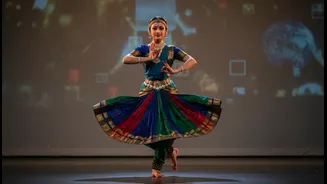
Indian classical dance forms like Bharatanatyam, Kathak, and Odissi are more than just performances; they are living repositories of culture, history, and spirituality. For centuries, these arts were passed down through the guru-shishya parampara, a master-disciple
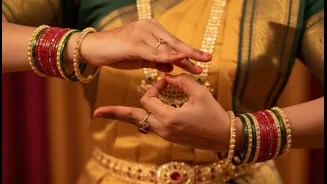
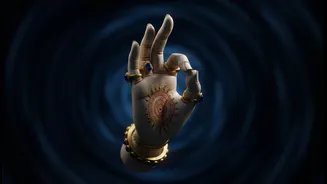
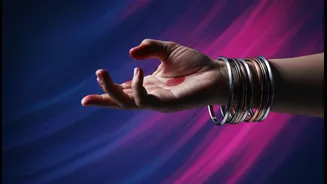
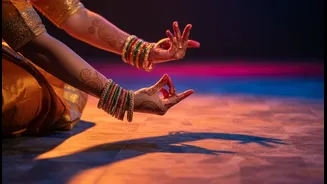
tradition that ensured the purity and continuity of the form. Each gesture (mudra), expression, and rhythmic footwork is part of a strict, codified grammar that tells stories of gods, heroes, and the human condition. Preservation, in this context, is not about freezing the art in time, but about maintaining the integrity of its complex language and spiritual core. It’s an approach that views the dance as a sacred inheritance, to be passed on with minimal alteration.
The Pressure to Evolve
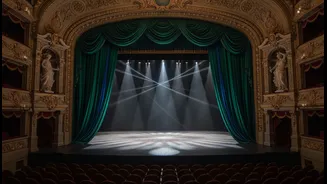
When these dance forms migrate, they land in a completely different ecosystem. The temple courtyards and royal courts of India are replaced by proscenium stages in London, community halls in New Jersey, and multicultural festivals in Toronto. The audience is no longer a homogenous group familiar with the mythology and symbolism. Instead, it’s a mix of first-generation immigrants seeking a connection to their roots, third-generation youth exploring their identity, and non-Indian viewers drawn by the beauty and dynamism of the performance. This new environment creates immense pressure to adapt. Artists must find ways to make the art accessible and relatable without turning it into a superficial cultural summary.
Diaspora as a Laboratory for Innovation
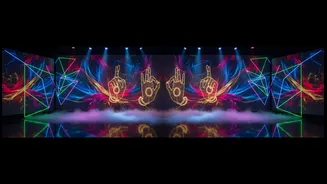
Far from being a threat, this distance has turned the diaspora into a vibrant laboratory for innovation. Freed from the immediate pressures of cultural orthodoxy, dancers and choreographers abroad are asking bold questions. They are using the rigorous vocabulary of classical dance to explore contemporary themes like feminism, mental health, identity politics, and social justice. Artists are collaborating with ballet dancers, martial artists, and digital media creators, leading to hybrid productions that expand the boundaries of the form. These experiments are not dilutions but dialogues, creating new pathways for the art to connect with modern lives and global audiences.
A Two-Way Cultural Street
Crucially, this evolution is not a one-way street. The innovations happening abroad are increasingly influencing the dance landscape back in India. Digital platforms and social media have erased geographical boundaries, allowing trends and new choreographic ideas to travel instantly. Viral videos from diaspora-led initiatives have shown new ways to package and present classical arts for a younger, globalised generation. Furthermore, international collaborations and festivals create a space for artists from India and the diaspora to exchange ideas, enriching the art form as a whole. The periphery is now in constant conversation with the center, challenging and invigorating it in the process.
The Ongoing Dialogue of Authenticity
This dynamic inevitably fuels a passionate debate about authenticity. Critics worry that fusion projects and contemporary themes risk severing the art from its spiritual roots, turning a profound tradition into mere entertainment. Proponents, however, argue that tradition has never been static and that art must evolve to remain alive and relevant. They contend that the diaspora’s work is a necessary act of translation, ensuring that the essence of Indian classical dance can speak to new generations in new lands. For many artists living abroad, this isn't about abandoning tradition, but about finding its core truths and expressing them in a way that resonates with their own lived experience.