




The Longest Day of the Year
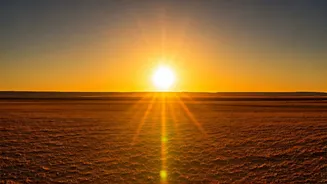
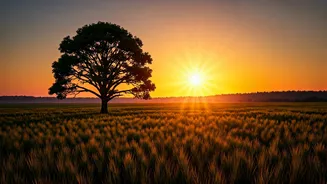
First, let’s talk about the celestial mechanics. The summer solstice, occurring around June 21 each year, is the moment when the Earth's Northern Hemisphere is tilted most directly towards the sun. For us in India, this means we experience the longest
period of daylight and the shortest night of the year. The sun reaches its highest and northernmost point in the sky, appearing to stand still before it begins its journey south again. The word 'solstice' itself comes from the Latin words 'sol' (sun) and 'stitium' (to stand still). It’s a fundamental astronomical event that has shaped calendars, agriculture, and cultures for millennia, marking the official start of summer.
Cultural and Spiritual Significance
This day isn't just an astronomical curiosity; it's deeply woven into our cultural fabric. Across the world, the solstice is a time of celebration, and in India, it has found a powerful modern expression. In 2015, the United Nations declared June 21 as the International Day of Yoga at the suggestion of Prime Minister Narendra Modi. The choice of date was deliberate. The summer solstice is a symbol of new beginnings, light, and consciousness. Yoga, a practice aimed at uniting the mind, body, and spirit, aligns perfectly with the day that celebrates the life-giving power of the sun. It’s a moment of global synchronicity, connecting an ancient practice with an astronomical peak.
The Modern Milestone: India's Solar Ascent
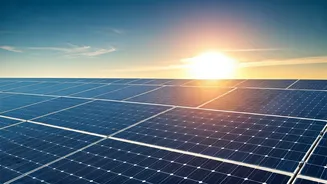
Beyond the sky, another significant solar milestone is unfolding on the ground. June 21 serves as a powerful symbol for India's incredible journey in solar energy. In just over a decade, India has transformed from a minor player into a global solar powerhouse. As of early 2024, our nation’s installed solar capacity has surged past 80 gigawatts (GW), a monumental leap from just a few megawatts a decade ago. This isn't just about numbers; it represents a strategic shift towards energy independence and climate action. The sun, which our ancestors worshipped, is now powering our future. This progress is a testament to ambitious government policies, falling technology costs, and a collective national will to embrace clean energy.
Harnessing the Sun’s Power
The longest day of the year is a perfect time to reflect on how we are harnessing this abundant resource. India's solar story is being written in its vast solar parks, like the Bhadla Solar Park in Rajasthan, one of the largest in the world, and increasingly, on the rooftops of ordinary homes. Recent initiatives like the 'PM Surya Ghar: Muft Bijli Yojana' aim to install rooftop solar systems on one crore households, empowering citizens to become producers of their own clean energy. This decentralized approach is a crucial part of the strategy, making our energy grid more resilient while reducing electricity bills for millions. The symbolism is potent: on the day the sun gives us its most, we celebrate our growing ability to capture and use that gift.
What's Next for India's Solar Dream?
The journey is far from over. India has set an ambitious target of achieving 500 GW of non-fossil fuel energy capacity by 2030, with solar power being the cornerstone of this vision. The path forward involves overcoming significant challenges, such as developing better energy storage solutions (like batteries) to provide power when the sun isn't shining, upgrading our grid to handle the variable nature of renewable energy, and securing the supply chains for solar components. However, the momentum is undeniable. With continued innovation in technology and supportive policies, India is not just meeting its energy needs but is also positioning itself as a global leader in the fight against climate change.