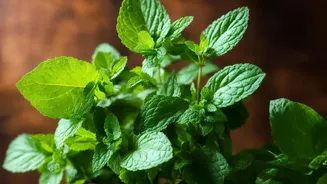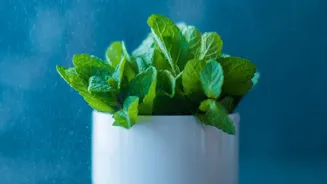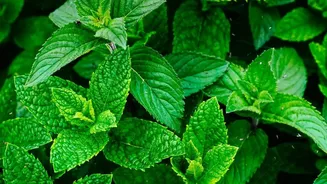



Why Start with Mint?
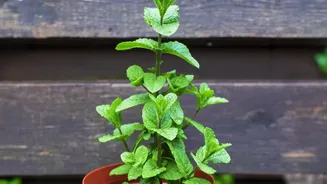
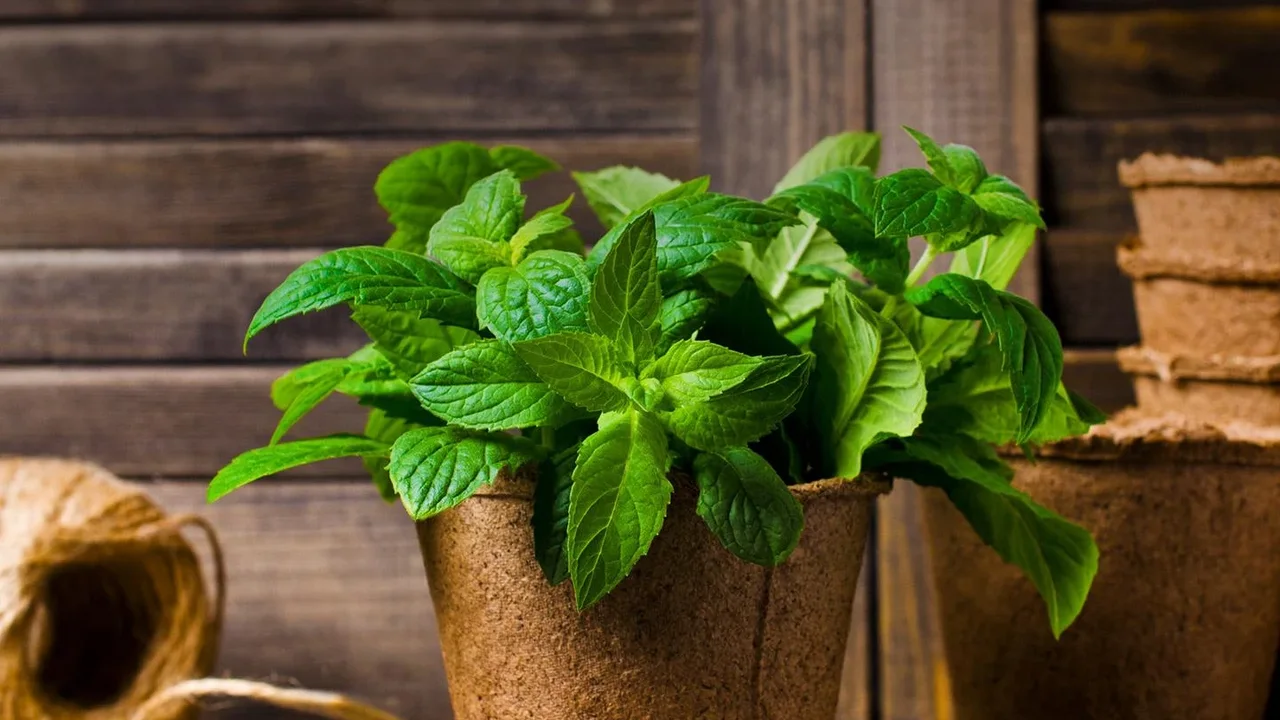
Mint, or pudina, is one of the most forgiving herbs for a novice gardener. It grows quickly, smells incredible, and its aggressive growth habit is perfectly contained within a pot, preventing it from taking over your space. Having a fresh supply means
instant flavour enhancement for beverages, raitas, biryanis, and countless other dishes. Beyond the culinary benefits, the simple act of nurturing a plant can be a calming and fulfilling hobby. It’s a small patch of green that brings life into your home.
Choosing the Right Home for Your Plant
The first step is selecting the right container. Mint has roots that love to spread out, so choose a pot that is wide—at least 8-12 inches in diameter. The depth is less critical, but 6-8 inches is sufficient. The most important feature of any pot you choose is drainage. Ensure it has holes at the bottom to let excess water escape, as mint dislikes having 'wet feet', which can lead to root rot. Terracotta, ceramic, or plastic pots all work well.
The Foundation: Soil and Planting
Mint isn't overly fussy about soil, but it thrives in a potting mix that drains well. You can purchase a standard, all-purpose potting mix from any nursery or garden centre. If you'd like to create your own, a simple blend of equal parts coco peat, compost, and perlite will provide the perfect balance of moisture retention and aeration. For beginners, the easiest way to start is with a small starter plant from a nursery or a cutting from a friend's plant. Simply place a cutting in a glass of water, and it will develop roots in a week or two, ready for planting.
Let There Be Light (But Not Too Much)
Finding the right spot is crucial. Mint loves bright, indirect sunlight. A windowsill that gets about 4-6 hours of gentle morning or evening sun is ideal. A spot facing east or west often provides the perfect amount of light. Too much direct, intense afternoon sun can scorch the leaves, while too little light will cause the plant to become 'leggy'—with long, weak stems and sparse leaves as it stretches towards the light source.
The Art of Watering
This is where many beginners go wrong. The key with mint is consistent moisture, not waterlogging. A good rule of thumb is to check the soil every couple of days. If the top inch of the soil feels dry to the touch, it's time to water. Water thoroughly until you see it run out of the drainage holes at the bottom, then discard the excess water from the saucer. Do not let the pot sit in a puddle of water. During hot summer months, you may need to water more frequently.
Harvesting to Encourage More Growth
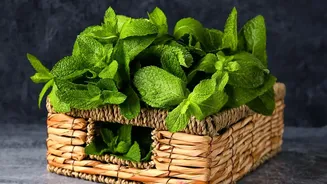
Don't be shy about using your mint! Regular harvesting actually encourages the plant to become fuller and bushier. Instead of picking individual leaves, use scissors to snip off the top few inches of a stem, right above a set of leaves. This will prompt the plant to send out two new shoots from that point. You can harvest up to a third of the plant at a time without causing it any stress. For the best flavour, harvest in the morning.
Troubleshooting Common Issues
If your mint plant starts to look unhealthy, don't panic. The most common issues are easily fixed. If you see a white, powdery coating on the leaves (powdery mildew), it’s likely due to poor air circulation. Move the plant to a less crowded spot. If you notice tiny webs or small insects like aphids, a strong spray of water or a simple insecticidal soap solution can wash them away. And if the stems are long and weak, it's a clear sign your plant is craving more light.