



The Science of Ripening: Starch Becomes Sugar
The primary difference between a raw, green banana and a soft, yellow one lies in its carbohydrate composition. As a banana ripens, enzymes within the fruit begin a remarkable transformation. They break down complex starches into simple sugars like sucrose,
glucose, and fructose. An unripe banana is predominantly starch, which can make up 70-80% of its dry weight. As it turns yellow, this starch content plummets, and the sugar content rises, explaining why ripe bananas taste significantly sweeter. This fundamental change is the key to understanding their different effects on the body.
Green Bananas: The Resistant Starch Advantage
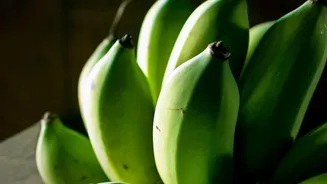
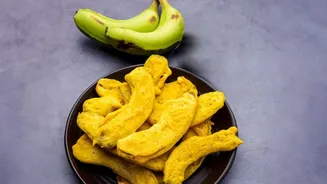
Often referred to as 'raw' bananas, green or unripe bananas are celebrated for their high content of resistant starch. This type of starch 'resists' digestion in the small intestine, functioning much like dietary fibre. Because it isn't broken down into glucose quickly, it doesn't cause a rapid spike in blood sugar levels. This makes green bananas a particularly good choice for individuals managing blood sugar. Furthermore, resistant starch travels to the large intestine where it acts as a prebiotic, feeding the beneficial bacteria in your gut. Studies suggest this can improve gut health and may even enhance insulin sensitivity over time.
Ripe Bananas: Quick Energy and Easier Digestion
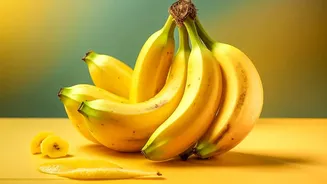
As the starch in a banana converts to sugar, the fruit becomes a source of quick, easily accessible energy. This is why athletes often favour yellow bananas for a pre-workout boost or post-workout recovery. The breakdown of complex starches also makes ripe bananas softer and generally easier to digest for many people. While they contain more sugar than their green counterparts, yellow bananas are still a source of valuable nutrients like potassium, vitamin B6, and fibre. As they ripen, their antioxidant levels can also increase, offering protective benefits against cellular damage.
The Glycemic Index: A Tale of Two Bananas
The glycemic index (GI) is a measure of how quickly a food raises blood glucose levels. Here, the difference between raw and ripe bananas is stark. A green, unripe banana has a low GI, typically around 30-42. In contrast, a fully ripe yellow banana has a medium GI, ranging from about 51 to 62. This means a ripe banana will raise your blood sugar faster and higher than a green one. For someone with diabetes or insulin resistance, this distinction is crucial. Choosing a less ripe banana can be a simple strategy for better glucose management.
The Verdict: Which Banana Is Best for You?
Ultimately, neither green nor ripe bananas are 'unhealthy'. The best choice depends entirely on your personal health goals and needs. If your priority is to maintain stable blood sugar levels and promote gut health, the resistant starch in a green or slightly underripe banana makes it the superior option. Its slow energy release and prebiotic fibre offer clear benefits for glucose control. If you need a quick source of energy, a sweeter taste, or a fruit that's easier to digest, a ripe yellow banana is an excellent choice. It’s also worth noting that portion size matters; a larger banana of any ripeness will have a greater impact on blood sugar than a smaller one.