





What is 'October Heat'?
The phenomenon known as 'October heat' is a familiar, if unwelcome, annual visitor to Mumbai and the Konkan coast. It marks the transitional period after the withdrawal of the southwest monsoon, when the weather shifts from rainy and overcast to clear
and sunny. As the monsoon recedes, cloud cover diminishes, allowing for more direct and prolonged sunlight to heat the land. This, combined with high humidity left over from the rainy season, creates a notoriously hot and sticky environment before the eventual arrival of cooler winter air.
A Perfect Storm of Weather Patterns
This year's extreme temperatures are being driven by a confluence of meteorological factors. According to the India Meteorological Department (IMD), a persistent anti-cyclonic circulation over the region is playing a major role. This system causes air to sink, suppressing cloud formation and leading to clearer skies and more intense solar radiation. Compounding this, the circulation has altered wind patterns, bringing in dry, hot easterly winds from the land instead of the usual cooling sea breeze. This delay in the sea breeze, which normally provides natural air conditioning to the coastal city, allows daytime temperatures to climb several degrees above normal.
Record-Breaking Temperatures Confirmed
The recent heat has been exceptional, not just uncomfortable. On Monday, October 12, 2026, Mumbai's Santacruz observatory recorded a maximum temperature of 38.2°C, which was 5.1 degrees above normal and the city's second-hottest October day since 2015. This followed another heatwave just days earlier on October 9, when the temperature hit 37.8°C. The IMD declares a heatwave in coastal areas like Mumbai when the maximum temperature deviates more than 4.5°C from the normal for a sustained period, a threshold that has been repeatedly crossed this month.
The City Itself is Part of the Problem
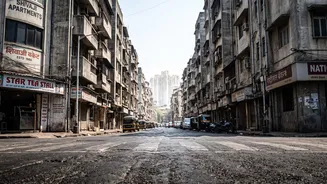
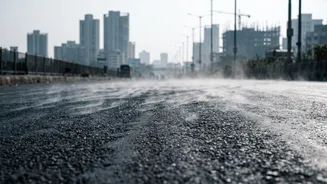
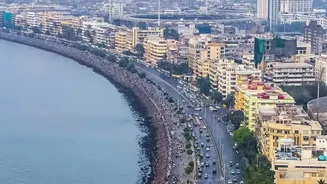
Beyond the weather patterns, Mumbai's own urban landscape significantly worsens the heat. This is known as the Urban Heat Island (UHI) effect. The city’s dense concentration of concrete buildings, asphalt roads, and other man-made surfaces absorb and retain solar radiation far more effectively than natural landscapes. Throughout the day, these surfaces soak up heat, and then they slowly release it at night, preventing the city from cooling down effectively after sunset. Studies have shown that heavily built-up areas in Mumbai can be significantly warmer—by as much as 5°C or more—than surrounding areas with more vegetation and open spaces. This retained heat, especially the rise in nighttime temperatures, has profound implications for public health and energy consumption.
Is Climate Change the Culprit?
While immediate weather events are driven by short-term atmospheric conditions, the increasing intensity and frequency of these heat spikes align with broader climate change trends. Research indicates that the post-monsoon season on India's west coast is becoming warmer and more humid. A weaker monsoon can lead to reduced cloud cover and more direct sunlight, while delayed withdrawals can trap high humidity for longer. Furthermore, global warming is contributing to changes in large-scale atmospheric circulations, which can influence local weather patterns like the anti-cyclone currently affecting Mumbai. While it's complex to attribute any single heatwave to climate change, the trend points towards a future where such extreme autumn heat becomes the new normal for the city.