







Monsoon Mayhem at the Airport
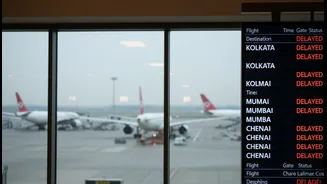
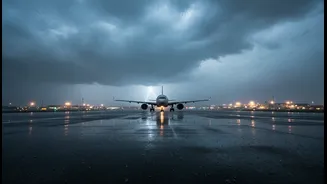
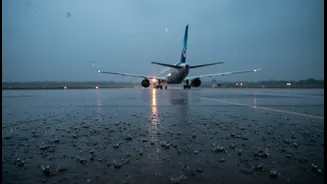
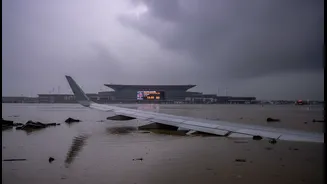
Travellers passing through Kolkata’s Netaji Subhas Chandra Bose International Airport are all too familiar with monsoon disruptions. This season is no different. Recent heavy rains have led to significant delays and even flight diversions, as airlines
issue advisories warning passengers of potential schedule changes. Waterlogging on the tarmac and surrounding roads adds to the chaos, impacting everything from ground operations to passengers' ability to even reach the airport on time. It’s a frustrating, yearly cycle, but it also provides a perfect real-world example of a concept airlines rely on daily: schedule buffering.
What Are 'Flight Buffers'?
Have you ever left the gate 20 minutes late but still landed “on time”? That's not pilot magic; it's a flight buffer at work. Airlines intentionally add extra time to their flight schedules—a practice also known as “schedule padding.” This buffer is a cushion designed to absorb minor, common delays without officially making the flight late. So, a flight that physically takes two hours to fly might be listed on the schedule as two hours and 30 minutes. That extra 30 minutes is the buffer, a strategic tool to improve on-time performance statistics.
How It Works in Practice
Airlines employ dedicated teams to calculate these schedules, using vast amounts of data on past flight times, seasonal weather trends, air traffic control patterns, and airport congestion. A typical two-hour flight might have about 11 minutes of padding built-in. This buffer isn't just for flying; it covers the entire 'block time,' from pushing back from the departure gate to arriving at the destination gate. It accounts for time spent taxiing on the runway, waiting in line for takeoff, and potential air traffic congestion—all the little delays that can add up before the wheels even leave the ground.
The Good and The Bad of Padding
From an airline's perspective, this practice is essential for operational reliability. Buffers help prevent a single delay from causing a domino effect across their network, which is crucial for maintaining schedules and ensuring passengers make their connections. For a flight to be officially considered 'late,' it must arrive more than 15 minutes after its scheduled time. By adding a 20-minute buffer, an airline can absorb a 15-minute delay and still record an on-time arrival, boosting its public-facing performance metrics. However, critics argue this is misleading. It can mask inefficiencies and make journey times appear longer than necessary, making travellers feel like they're being managed rather than served.
Why This Matters for Kolkata Travellers
During Kolkata's monsoon, these buffers are put to the ultimate test. A standard 20-minute buffer is designed for everyday friction, not for the extraordinary circumstances of a runway closure due to waterlogging or hours of grounded flights due to thunderstorms. This is why, even with schedule padding, the system can break down during severe weather, leading to the lengthy delays and cancellations travellers experience. At the same time, it explains why, on a day with moderate rain, your flight might depart slightly behind schedule but the pilot still announces an on-time arrival. The buffer absorbed the delay, performing exactly as designed.