

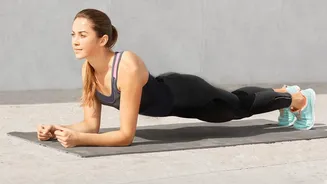


Setting Realistic Expectations
First, let's be clear: a five-minute workout is not a magic bullet. It won't prepare you for a marathon or lead to dramatic weight loss on its own. For significant strength and muscle size gains, longer and more consistent sessions are necessary. However,
dismissing these short sessions as useless is a major mistake. Research shows that for the vast majority of people, especially those transitioning from a sedentary lifestyle, these brief bursts of activity offer a surprising range of science-backed benefits. Think of it less as a replacement for longer workouts and more as a powerful tool to supplement your overall health, especially on days when time is tight.
The Secret Sauce: Intensity
The effectiveness of a short workout hinges almost entirely on one factor: intensity. A leisurely five-minute stroll is pleasant, but a five-minute high-intensity interval training (HIIT) session is a game-changer. HIIT involves short, all-out bursts of effort followed by brief recovery periods. This approach is highly efficient, with studies showing it can burn 25-30% more calories than steady-state cardio of the same duration. It also triggers a metabolic effect known as excess post-exercise oxygen consumption (EPOC), where your body continues to burn extra calories long after you've stopped moving. Even a 10-minute HIIT session can result in a noticeable afterburn, proving that how hard you work matters more than how long you work.
Big Gains for Heart and Metabolism
Perhaps the most significant benefits of micro-workouts, often called 'exercise snacks', are seen in cardiovascular and metabolic health. Studies have consistently shown that brief, intense bursts of activity can improve VO2 max, a key indicator of your body's ability to use oxygen and overall aerobic fitness. These short sessions, when performed regularly, can help lower blood pressure and improve blood sugar regulation. Some research even suggests that multiple short walks throughout the day can be more effective at controlling high blood pressure than one continuous 30-minute walk. Furthermore, exercise snacks have been found to reduce levels of triglycerides, a type of fat in the blood linked to increased cardiovascular risk.
A Boost for Your Brain and Mood
The benefits aren't just physical. A short, heart-pumping workout is one of the quickest ways to change your mental state. These bursts of activity increase blood flow and oxygen to the brain, which can sharpen focus and enhance cognitive function almost immediately. Exercise also triggers the release of endorphins, your body's natural mood elevators, helping to alleviate stress and anxiety. One study on sedentary adults who began a simple five-minute daily bodyweight routine found they not only improved strength and flexibility but also reported significant boosts in mental health and vitality. It's a powerful reminder that movement is a key component of mental wellness.
The Power of a Gateway Habit
For many, the biggest hurdle to exercising is simply starting. The commitment of a long workout can be intimidating, leading to procrastination and inaction. A five-minute workout demolishes this barrier. It's an achievable goal that can be squeezed in almost anywhere, anytime. This consistency is crucial for building a sustainable habit. Research shows that people who engage in shorter HIIT workouts have better long-term adherence rates compared to those attempting longer, moderate-intensity sessions. Once the habit is formed, it becomes much easier to maintain momentum, and perhaps even extend those five-minute sessions into ten or fifteen as your fitness improves. One study found that 83% of participants continued exercising in some form after the initial four-week trial of five-minute workouts.