







The High Cost of Sitting Still
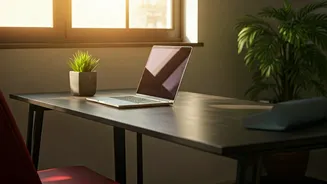
Many modern jobs require us to sit for extended periods, a habit that comes with significant health risks. Studies show that prolonged sedentary behaviour is linked to a higher risk of cardiovascular disease, type 2 diabetes, obesity, and even certain
types of cancer. Office workers can spend over six hours of their workday in a sitting position, leading to widespread issues like neck, back, and shoulder pain. This constant state of inactivity slows your metabolism and can contribute to feelings of exhaustion, poor posture, and increased stress. Even if you exercise regularly outside of work, it may not be enough to fully counteract the negative effects of sitting for eight or more hours a day. The problem isn’t just physical; staying put for too long can also lead to mental fatigue, reduced concentration, and a drop in productivity.
The Science of the ‘Movement Snack’
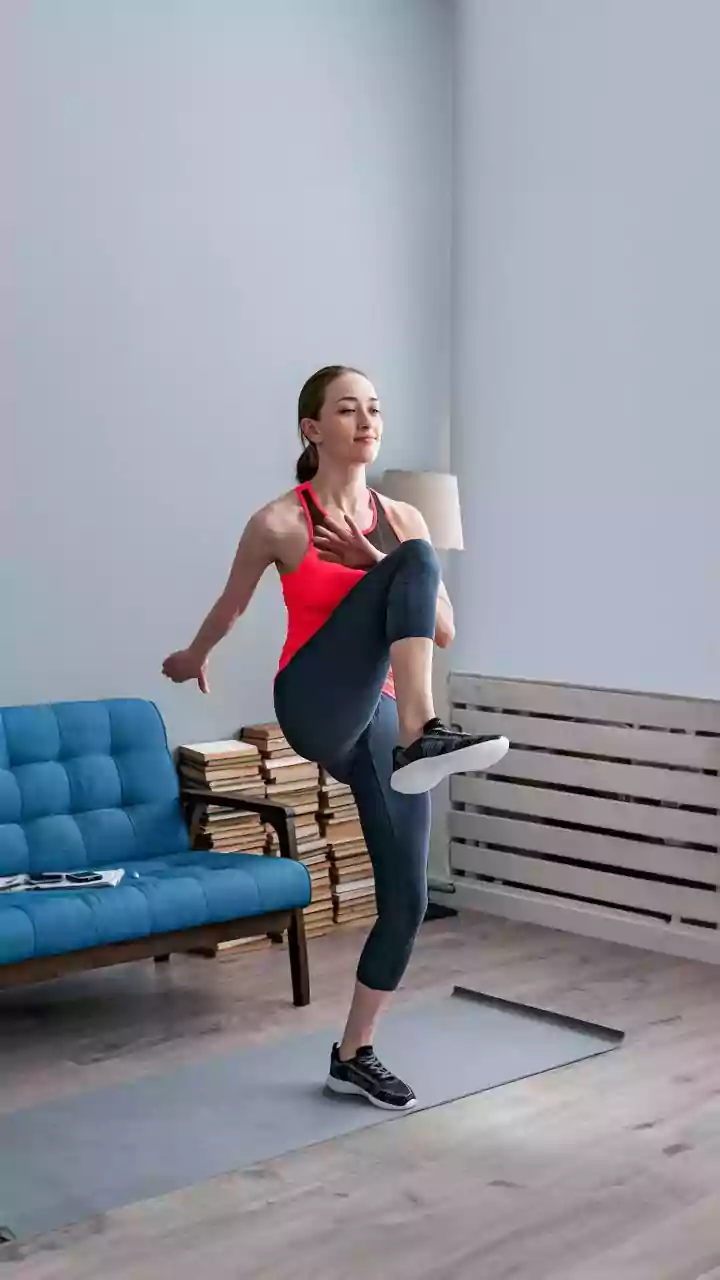
The antidote to a sedentary day is the "movement snack" — a short, intentional burst of activity. These breaks, lasting anywhere from two to ten minutes, work by interrupting long periods of sitting. This simple act has profound biological effects. It increases blood flow to the brain, delivering fresh oxygen that can sharpen your mind, improve focus, and boost creativity. These brief episodes of activity can also help reset your body's metabolic clock, improving how it processes sugars and cholesterol. Research has shown that short activity breaks can lead to building muscle more efficiently and releasing mood-boosting hormones like endorphins, which help reduce stress and leave you feeling calmer and more energized.
Your Guide to Simple Movement Breaks
Incorporating movement doesn't require a gym membership or a major time commitment. The key is frequency and consistency. A recent study found that taking a five-minute walking break every hour provides an ideal balance of boosting well-being without hurting productivity. Here are some easy and discreet exercises you can do right at your workspace: • Neck and Shoulder Rolls: Gently tilt your head from side to side to release tension. Roll your shoulders forwards and backwards to counteract slouching. • Seated Spinal Twist: While sitting, gently twist your torso to one side, using your chair for support. This helps relieve back tension. • Wrist and Finger Stretches: Extend your arms and gently flex your wrists up and down to combat stiffness from typing. • Chair Squats: Stand up from your chair and sit back down slowly a few times without using your hands. This reactivates the large muscles in your legs. • Standing Hip Flexor Stretch: If you have a moment of privacy, a simple standing lunge can help open up hips that have become tight from sitting. Even walking to get a glass of water, taking the stairs, or pacing during a phone call can serve as an effective movement snack.
Making the Habit Stick
Knowing the benefits is one thing; putting them into practice is another, especially on busy days. The most effective way to build a new habit is to make it easy and consistent. Set a recurring alarm on your phone or computer for once an hour to remind you to get up and move. You can also try habit stacking—linking your movement break to an existing routine, such as standing up to stretch every time you finish a phone call or send an important email. If you're worried about how taking breaks might look to others, start small with micro-breaks of just a minute or two. You could even suggest team-based breaks, like a short group walk, which can improve both health and team spirit. The goal is to reframe these moments not as interruptions, but as essential tools for maintaining your health and producing your best work.