



A New Space Race, Fired by Startups
The Indian space landscape is undergoing a monumental shift. Historically dominated by the Indian Space Research Organisation (ISRO), the sector has been opened up to private enterprise, sparking a revolution. Government initiatives, chiefly the establishment
of the Indian National Space Promotion and Authorisation Centre (IN-SPACe) in 2020, have created a single-window clearance system for private companies, dismantling old barriers. This policy change has unleashed a wave of entrepreneurial energy. From just a handful a few years ago, India is now home to over 400 space-tech startups. The country's space economy, valued at around $8.4 billion in 2023, is projected to surge to approximately $44 billion by 2033. This explosive growth is powered by private firms like Skyroot Aerospace, which launched India's first private rocket, and Agnikul Cosmos, known for its 3D-printed rocket engines. This isn't about replacing ISRO; it's about building a larger, more dynamic ecosystem where ISRO focuses on pioneering research and deep space missions, while private players drive commercialisation and innovation.
More Than Just Rocket Science
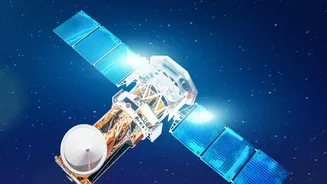
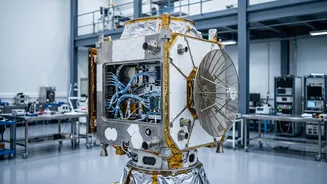
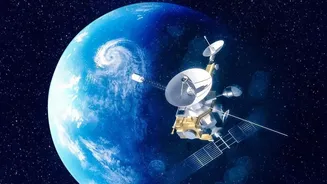
The most significant change for aspiring engineers is the sheer diversity of roles now available. The stereotype of a space career being limited to aerospace or astronautical engineering is officially outdated. The new space economy demands a wide array of talent. Companies are building everything from satellite constellations and launch vehicles to ground station infrastructure and downstream data applications. For example, Pixxel is building a constellation of hyperspectral imaging satellites to monitor the Earth's health, while Digantara is focused on space traffic management. This creates demand not just for rocket scientists but for software engineers to write flight and ground control software, data scientists to analyse satellite imagery for agriculture and urban planning, and electronics engineers to design communications systems. Mechanical engineers, materials scientists, and even those with expertise in robotics and AI are finding crucial roles in this burgeoning industry.
The Modern Engineer's Toolkit
With new roles come new skill requirements. While a strong foundation in physics and mathematics remains essential, today's space engineer needs a multidisciplinary toolkit. Proficiency in programming languages like Python and C++ is highly sought after, particularly for roles in flight software, simulation, and data analysis. Experience with AI and machine learning is becoming critical as companies work to extract valuable insights from the massive amounts of data sent back by satellites. Furthermore, skills in areas like radio frequency (RF) engineering for communications, embedded systems for onboard computers, and robotics for rovers and in-orbit servicing are in high demand. This shift means that engineers from diverse backgrounds—computer science, electronics, and mechanical—now have a direct pathway into the space sector. The focus has moved from pure theory to practical, hands-on application, with an emphasis on building and deploying real-world systems.
Challenges and the Road Ahead
Despite the excitement, the path forward has its challenges. The sector is capital-intensive, and while private investment has surged, consistent funding remains a hurdle for many early-stage startups. Creating a robust domestic supply chain for high-reliability components is another area of focus. Most importantly, there is a need to build a large enough talent pipeline to meet the industry's ambitious growth targets. Universities and technical institutes are adapting their curricula to include more relevant skills in satellite technology, robotics, and space law. However, the responsibility also falls on students to be proactive, seek internships, and participate in projects like CubeSat development to gain practical experience. The government is also playing a role through initiatives like the Antariksh Venture Capital Fund, which aims to provide growth capital to promising space startups.