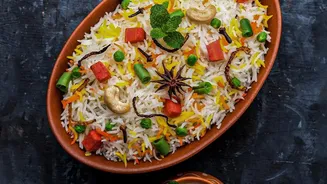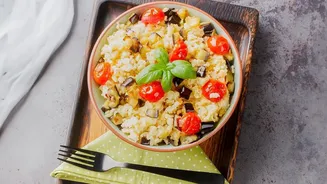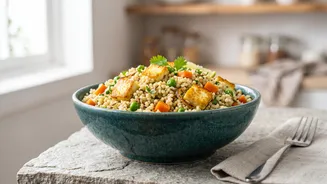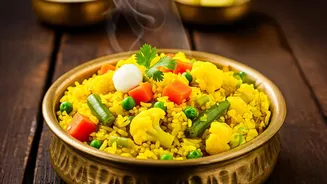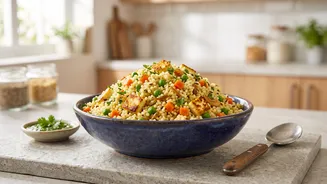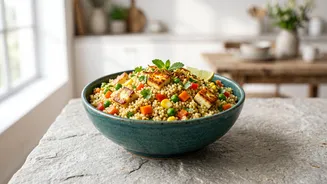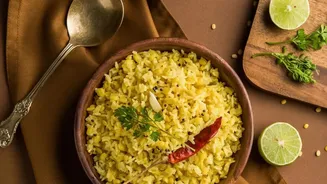


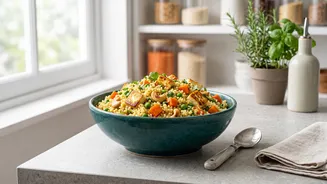
Searching for a lunch that's both satisfying and healthy? Enter vegetable millet pulao. This one-pot wonder is not just delicious but also packed with nutrients, making it the perfect upgrade to your midday meal. Here’s how to master it.
Why Millets Deserve a Spot on Your Plate
Long before they
became a modern 'superfood', millets were a staple in Indian kitchens, cherished for their resilience and nutritional might. These tiny grains are powerhouses of nutrition, naturally gluten-free and packed with protein, fibre, and essential minerals like iron and magnesium. What makes millet pulao particularly 'filling' is its high fibre content. This fibre helps slow down digestion, which keeps you feeling full for longer, reduces unnecessary snacking, and provides a steady release of energy, preventing those dreaded afternoon slumps. Furthermore, millets have a low glycemic index, meaning they help manage blood sugar levels, making them an excellent choice for a balanced and healthy diet.
Choosing the Right Millet for Your Pulao
While there are several types of millets, some are better suited for a fluffy pulao than others. Foxtail millet is often considered the best choice because its grains tend to stay separate after cooking, closely mimicking the texture of rice. Little millet and barnyard millet are also excellent options; they cook quickly and become light and fluffy. Kodo millet holds its shape well and won't turn mushy, making it another reliable choice for pulao. For the best results, look for unpolished, whole-grain millets. Before cooking, it's crucial to rinse the millets thoroughly and soak them for at least 15 to 30 minutes. This process helps remove phytic acid, making the grains easier to digest and improving nutrient absorption.
Recipe: The Ultimate Vegetable Millet Pulao
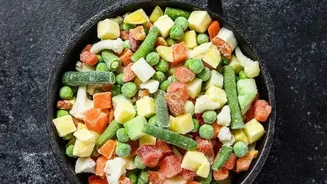
This recipe serves two and transforms simple ingredients into a flavourful one-pot meal. Ingredients: - 1 cup foxtail or little millet, rinsed and soaked for 20 minutes - 2 cups water - 1 tablespoon ghee or oil - 1 bay leaf - 2 cloves - 1-inch cinnamon stick - 1 medium onion, thinly sliced - 1 teaspoon ginger-garlic paste - 1 green chilli, slit - 1 cup mixed vegetables (carrots, beans, peas, corn) - ½ teaspoon garam masala - Salt to taste - Fresh coriander and mint leaves for garnish Instructions: 1. Heat ghee or oil in a pressure cooker or heavy-bottomed pan. Add the bay leaf, cloves, and cinnamon, and sauté for a few seconds until fragrant. 2. Add the sliced onions and cook until they turn translucent and golden at the edges. Add the ginger-garlic paste and green chilli, and sauté for another minute. 3. Add the mixed vegetables and sauté for 2–3 minutes. 4. Drain the soaked millet completely and add it to the pan. Gently stir for a minute to toast the grains lightly. 5. Pour in 2 cups of water, add salt and garam masala, and stir everything together. Bring the mixture to a boil. 6. If using a pressure cooker, close the lid and cook for two whistles on a low–to–medium flame. If using a pot, cover with a tight lid, reduce the flame to low, and cook for 12–15 minutes, or until all the water is absorbed. 7. Turn off the heat and let it rest, covered, for at least $5–$10 minutes. This step is crucial for getting fluffy grains. $8.$ Open the lid and gently fluff the pulao with a fork. Garnish with fresh coriander and mint leaves before serving.
Tips for Perfect, Fluffy Millet Pulao Every Time
Achieving the perfect texture is the key to a great millet pulao. The most common mistake is using too much water, which can result in a mushy consistency. A $1:$2 ratio of millet to water is the standard for getting fluffy, separate grains. Soaking the millet beforehand not only helps with digestion but also ensures even and faster cooking. When cooking, resist the urge to stir frequently, as this can break the delicate grains. Finally, allowing the pulao to rest for at least five minutes after cooking before fluffing it with a fork allows the grains to firm up and separate beautifully. For extra flavour, you can drizzle a spoonful of ghee over the pulao just before serving.