





From Poha to Protein Power
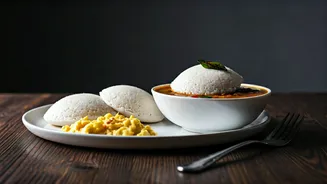
For generations, the Indian breakfast table has been dominated by comforting, carbohydrate-rich dishes. Think fluffy idlis, crisp dosas, wholesome poha, and savoury upma. These meals are delicious and deeply embedded in our culture. But a significant
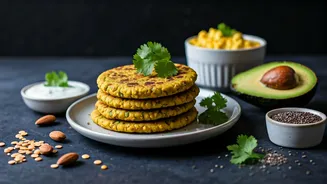
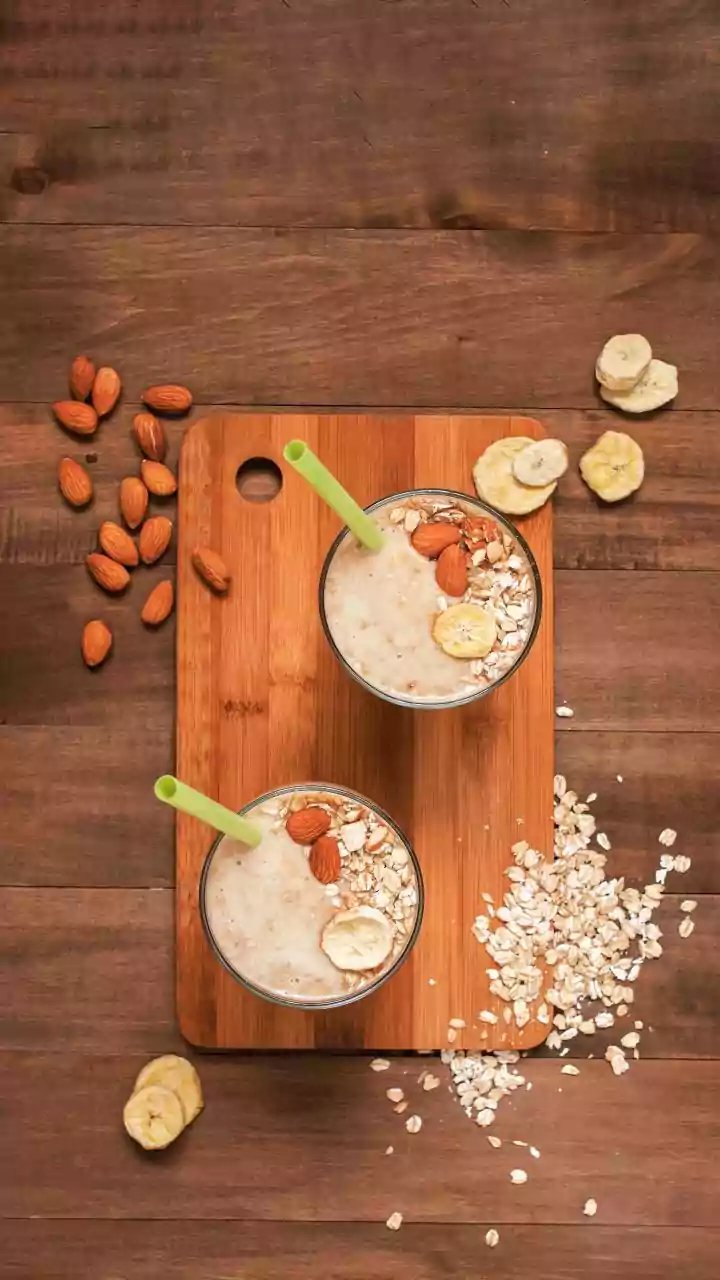
shift is underway. Across urban India, a growing number of people are consciously swapping or modifying these traditional staples for meals that put protein front and centre. This trend is visible everywhere: in gym-goers gulping down whey protein shakes, office workers opting for Greek yogurt bowls, and home cooks experimenting with besan or moong dal chillas instead of wheat-based parathas. This isn't just about importing Western diet fads; it's a homegrown movement adapting to modern lifestyles, fitness goals, and a greater awareness of macronutrients.
Why the Sudden Focus on Protein?
Several factors are fuelling this breakfast revolution. The primary driver is a burgeoning wellness culture, amplified by social media influencers and fitness experts who champion protein's role in weight management and muscle building. As more Indians adopt active lifestyles, the need for muscle repair and recovery makes a protein-rich first meal highly appealing. Furthermore, in our fast-paced lives, the promise of sustained energy is a major draw. Unlike a carb-heavy breakfast that can sometimes lead to a mid-morning slump, protein provides a slower, more stable release of energy, helping to curb cravings and improve focus throughout the day. The market has responded swiftly, with an explosion of protein-fortified foods, powders, and bars making it easier than ever to get that morning protein hit.
The Science of a Strong Start
The hype is backed by solid science. The key benefit of a high-protein breakfast is satiety. Protein takes longer to digest than carbohydrates, meaning you feel fuller for longer. This can significantly reduce the urge to snack on unhealthy options before lunch. Studies have shown that starting the day with protein can help regulate appetite-controlling hormones. Secondly, it's crucial for metabolic health. A protein-rich meal helps stabilise blood sugar levels, preventing the sharp spikes and crashes associated with sugary cereals or refined carbs. For those who exercise, consuming protein in the morning helps kickstart muscle protein synthesis, the process your body uses to repair and build muscle tissue after a period of fasting overnight.
Easy Ways to Pack in the Protein
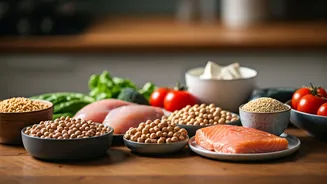
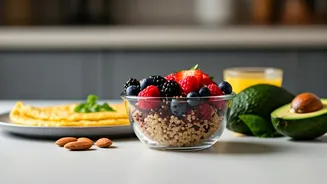
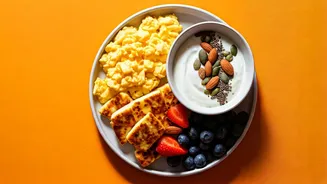
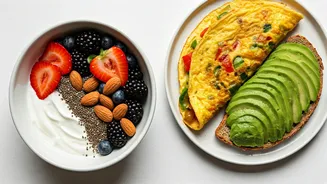
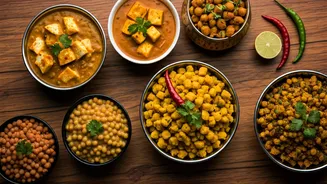
Adopting this trend doesn’t mean you have to abandon your favourite foods. It’s about making smart swaps and additions. **Give classics a twist:** Add a handful of roasted peanuts or sprouts to your poha. Make your chillas with besan (gram flour) or moong dal instead of rice flour. Crumble paneer into your scrambled eggs or bhurji. **Embrace eggs and dairy:** Eggs are a complete protein powerhouse—boiled, scrambled, or as an omelette. Greek yogurt, which has nearly double the protein of regular dahi, is an excellent base for fruit and nuts. A simple glass of milk or a bowl of paneer cubes also works wonders. **Lean on legumes and lentils:** A sattu (roasted gram flour) drink is a traditional, powerful, and quick protein source. A small bowl of leftover dal or chana from the previous night can also be a surprisingly effective and quick breakfast.
A Word on Balance
While the benefits are clear, it's important to approach this trend with balance. More is not always better. The focus should be on whole-food sources of protein rather than relying heavily on processed bars and shakes, which can be high in sugar and additives. A balanced plate is still the ultimate goal. Don't eliminate complex carbohydrates and healthy fats entirely; they are essential for energy and overall health. A good rule of thumb is to aim for around 20-30 grams of protein at breakfast, but this can vary based on your body weight, activity level, and health goals. The key is to listen to your body and find a sustainable routine that works for you.