






The Great Escape from City Life
The relentless pace of city living, coupled with the flexibility of remote work, has created a perfect storm for a new kind of travel: the workation. For tech professionals, the ability to work from anywhere has opened up possibilities far beyond the confines
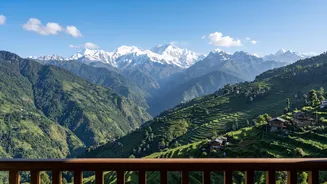
of a home office. The Eastern Himalayas, with their crisp mountain air and stunning landscapes, are proving to be an irresistible draw. Regions like Sikkim and the hills of Kalimpong are no longer just for fleeting holidays. They are becoming temporary homes for those seeking to merge their work deadlines with peaceful, scenic surroundings, offering a chance to reset and find focus away from the noise and pollution of metropolitan hubs.
What Makes a Homestay 'Workation-Ready'?
Not every mountain home is equipped for the demands of a modern tech job. The key to a successful workation lies in a few crucial amenities. First and foremost is reliable internet. Many homestay owners now advertise high-speed Wi-Fi, with some even providing speed test results to reassure potential guests. The second essential is a stable power supply. Given that power outages can be common in hilly areas, homestays offering power backup through inverters or generators are highly sought after. Finally, a comfortable and quiet workspace, whether a simple desk in the room or a common area with a view, is non-negotiable for a productive stay. Add home-cooked meals to the mix, and you have a setup that rivals the convenience of city living at a fraction of the cost.
Sikkim’s Serene Corners for Digital Nomads
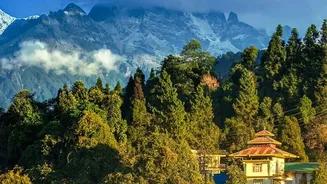
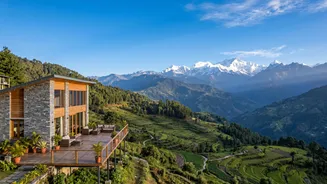
Sikkim offers a wealth of options for the discerning remote worker. West Sikkim, with towns like Pelling and Rinchenpong, is famous for its direct views of the Kanchenjunga range and its tranquil atmosphere. Homestays here are often family-run, providing an authentic cultural experience alongside organic, farm-fresh meals. For those seeking something more structured, the village of Yakten in East Sikkim was recently launched as India's first official 'Digital Nomad Village'. This initiative ensures that homestays are equipped with verified high-speed internet and power backup, making it a plug-and-play solution for techies. Villages along the historic Silk Route also offer unique, offbeat stays for a truly immersive experience.
Kalimpong and Its Hidden Gems
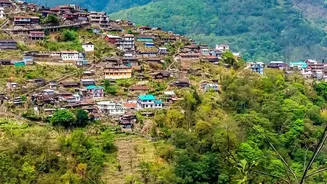
Just a few hours from the bustling plains, Kalimpong and its surrounding villages provide a slightly more accessible yet equally peaceful alternative. While the main town has its own charm, the real magic lies in hamlets like Chibbo and Deolo. Here, homestays are tucked away amidst lush greenery, offering stunning valley views and a quiet environment conducive to deep work. Many properties boast amenities like free Wi-Fi and in-house dining, specifically catering to travellers who need to stay connected. The proximity to Darjeeling and Sikkim also makes it a great base for weekend explorations, allowing you to punctuate your work week with short, rejuvenating trips.
The Budget-Friendly Equation
One of the most compelling reasons for this trend is the significant cost savings. Compared to the high rents and living expenses of tech hubs like Bengaluru or Mumbai, a workation in the mountains is remarkably affordable. Homestay rates in many parts of Sikkim and Kalimpong can range from ₹1,200 to ₹1,900 per night, often including meals. For longer stays, many hosts offer weekly or monthly packages that bring the cost down even further, with some estimates suggesting a monthly budget of ₹20,000 to ₹35,000 can suffice. This includes accommodation and food, a stark contrast to the ₹50,000 or more required for just rent in a major city. This financial freedom allows for a longer, more sustainable break from the urban grind.
Beyond the Wi-Fi Signal
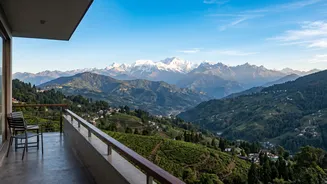
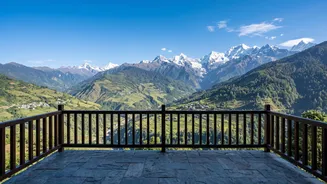
The appeal of a Himalayan workation extends far beyond a strong internet connection. It’s about the lifestyle. After logging off for the day, you can step out for a walk through pine forests, visit ancient monasteries, or simply sit on a balcony with a cup of tea and watch the clouds drift across the Kanchenjunga. This balance of work and wellness is what many city dwellers crave. It’s an opportunity to engage with local communities, learn about different cultures, and enjoy activities like birdwatching, hiking, or organic farming. This holistic experience contributes to improved mental health and renewed creative energy, making the work itself feel less like a chore and more like a part of a fulfilling life.