


Beyond Lithium-Ion: What Are Solid-State Batteries?
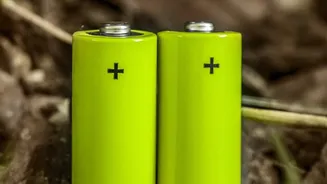
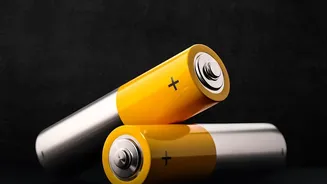
For years, lithium-ion batteries have been the engine of the electric revolution, powering everything from smartphones to electric scooters. They work by using a liquid electrolyte to move lithium ions between a positive and negative electrode. But this
liquid has drawbacks—it's flammable and can degrade over time. Solid-state batteries, as the name implies, replace this volatile liquid electrolyte with a thin, solid material, often made of ceramic or polymer compounds. This fundamental change in design is not just a minor tweak; it's a complete reimagining of the battery. By eliminating the liquid, these next-generation batteries become more stable, compact, and chemically resilient. This solid structure also helps prevent the formation of dendrites—tiny, needle-like structures that can cause short circuits and fires in traditional lithium-ion cells.
The Triple Advantage: Safety, Range, and Speed
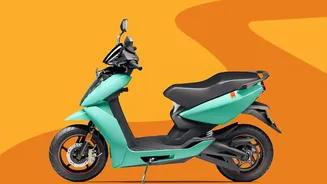
The switch to a solid electrolyte unlocks a cascade of benefits that directly address the biggest pain points for today's electric two-wheeler owners. First and foremost is safety. The non-flammable nature of the solid electrolyte drastically reduces the risk of thermal runaway and fires, a concern that has made headlines and created hesitation among potential buyers. Second is a major leap in performance. Solid-state technology allows for much higher energy density, meaning more power can be packed into a smaller, lighter battery. For a rider, this translates to a significantly longer range—potentially doubling what current scooters offer—without adding cumbersome weight. Finally, charging times are set to plummet. While today's models can take several hours to charge, solid-state prototypes are demonstrating the ability to reach an 80% charge in as little as 10 to 15 minutes, making them far more practical for daily use.
Redefining 'Accessible' for the Indian Rider
In the Indian context, 'accessibility' is about more than just the sticker price. It's about a vehicle being practical, affordable to run, and reliable for daily commutes in diverse conditions. Solid-state technology enhances accessibility on all these fronts. A longer battery lifespan—potentially up to five times more charge cycles than lithium-ion—means the battery won't need replacing as often, lowering the total cost of ownership over the vehicle's life. As manufacturing scales, costs are expected to fall, eventually making the initial purchase price competitive with, or even cheaper than, current models. Furthermore, superior performance in extreme temperatures makes these batteries better suited to India's varied climate, ensuring reliability whether in scorching summer heat or cooler winters. Increased range eliminates 'range anxiety', making electric scooters a viable option not just for short city hops but also for longer journeys in suburban and semi-urban areas where charging infrastructure is less developed.
The Road to Mass Adoption in India
While the promise is immense, the transition won't happen overnight. The biggest hurdles are scaling up complex manufacturing processes and bringing down the initially high production costs. However, the race is on, and major global players like Toyota, Nissan, and BMW are investing heavily, with mass production timelines coalescing around 2027-2030. India is positioning itself to be a key player, not just a consumer. Government initiatives like the Production Linked Incentive (PLI) scheme for Advanced Chemistry Cells (ACC) are fostering a domestic ecosystem for battery innovation. Indian companies are already making moves. Ola Electric has announced significant investment in a gigafactory with a focus on developing solid-state batteries in-house. This push for local manufacturing is crucial for creating a self-reliant supply chain and tailoring battery technology for Indian conditions, ultimately accelerating adoption.