




A Man-Made Disaster
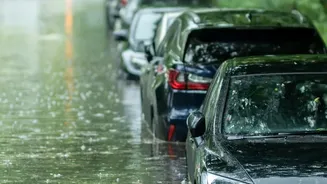
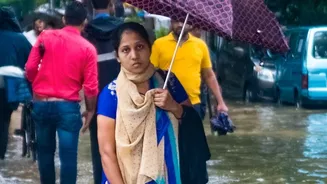
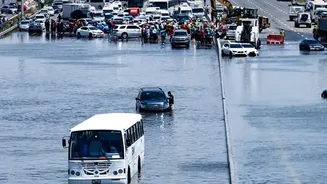
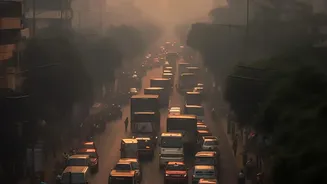
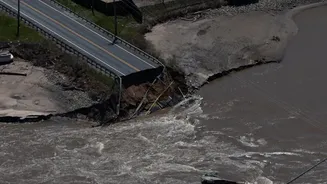
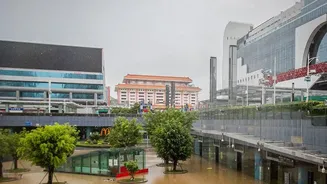
Every year, from Mumbai to Chennai, and Bengaluru to Delhi, the story repeats itself. A few hours of intense rain bring our bustling metropolises to a grinding halt. It's tempting to blame climate change and increasingly erratic weather patterns, and they
certainly play a role. However, the evidence overwhelmingly suggests that urban flooding is less a natural disaster and more a failure of planning. Experts argue that factors like unplanned urbanisation, deforestation, and critically, poor drainage, now outweigh rainfall variability in causing floods. The chaos on our streets is a direct consequence of decades of decisions made on the surface that have ignored the vital systems below.
The Anatomy of a Failing System
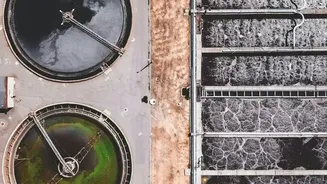
At the heart of the problem are the stormwater drainage systems, many of which are relics of a colonial past. These networks were designed for cities with a fraction of their current population and built-up area. Today, they are simply overwhelmed. Urbanisation increases flood peaks by up to eight times, and the runoff happens much faster. Compounding the issue, these drains are often poorly maintained and clogged with silt, plastic, and construction debris, drastically reducing their capacity. In many cities, stormwater drains are also illegally connected to or contaminated by sewage systems, turning them into toxic channels that pose significant public health risks when they overflow.
Paving Over Our Natural Sponges
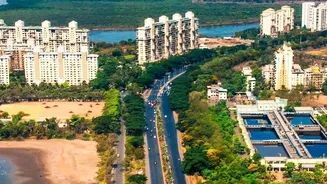
Cities were historically built around natural ecosystems that managed water. Rivers, lakes, wetlands, and floodplains acted as natural sponges, absorbing excess rainwater and recharging groundwater. However, rapid and often unregulated urban sprawl has systematically destroyed these vital water bodies. Bengaluru, for example, has lost a significant percentage of its lakes and ponds to construction. This relentless concretisation creates vast impermeable surfaces. Rain that once seeped into the ground now has nowhere to go but into an already overburdened drainage system, leading to flash floods. By encroaching on natural drainage channels, we have effectively choked the city's ability to breathe and manage water.
The High Cost of 'Invisible' Infrastructure
Drainage is classic "invisible infrastructure." It is out of sight and out of mind until a disaster strikes. This leads to a chronic lack of investment and a reactive approach to management. Municipal bodies often scramble to desilt drains just before the monsoon, but these are temporary fixes to a systemic problem. According to the National Disaster Management Authority (NDMA), which has long-standing guidelines on urban flood management, a more holistic and proactive approach is needed. The focus has often been on more visible development projects, while the unglamorous but essential work of upgrading and maintaining drainage networks is neglected until our cities are underwater, causing immense economic damage and disrupting millions of lives.
A Path Forward: Rethinking Our Relationship with Water
Breaking this annual cycle of flooding requires a fundamental shift in how we plan our cities. The NDMA guidelines advocate for a multi-pronged strategy, including better early warning systems and, crucially, redesigning urban drainage. This includes moving away from antiquated box drains to more modern, efficient systems. More importantly, cities must begin to work with nature, not against it. This involves protecting and reviving urban wetlands and lakes, creating 'sponge city' concepts with more green spaces and permeable pavements, and strictly enforcing zoning laws that prevent construction on floodplains. It requires integrated management where waste, sewage, and stormwater are handled in a coordinated fashion rather than as separate problems.