



An Ancient Tradition of Wellness
Long before modern medicine reached the remote valleys of Sikkim, local communities developed their own sophisticated system of healing. This knowledge, deeply intertwined with the Sowa-Rigpa (the Tibetan science of healing), relies on the abundant biodiversity
of the Himalayan region. While many parts of India are familiar with 'kadha' or herbal decoctions for coughs and colds, Sikkim's versions are unique, utilising a distinct apothecary of high-altitude flora. These infusions are more than just remedies; they are a ritual, a way of life, and a testament to the wisdom passed down through generations who learned to thrive in one of the world's most demanding environments. This tradition views health holistically, aiming to balance the body and strengthen its natural defences against illness.
The Alpine Apothecary at Your Fingertips
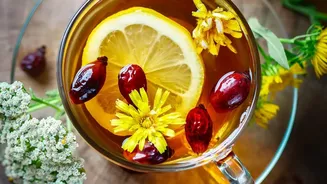
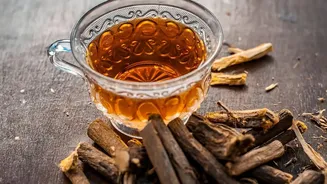
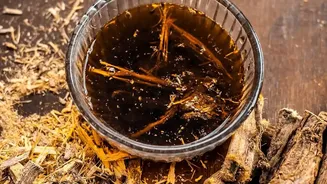
The secret to these potent brews lies in the herbs foraged from the alpine meadows and forests. One of the most notable is Rhododendron anthopogon, whose flowers and leaves are brewed into a fragrant tea. Traditionally, this infusion is believed to help with acclimatising to high altitudes and soothing coughs and sore throats. Another key herb is Kutki (Picrorhiza kurroa), a bitter root known in traditional systems for its anti-inflammatory properties and its use in treating respiratory ailments. Other plants like Talisapatra are used for bronchitis and coughs, while Acorus calamus is turned to for fever and bronchitis. Even the highly prized Yartsa Gumba (Cordyceps sinensis), known as 'Himalayan Gold', is revered for its traditional role in strengthening the lungs. These ingredients form the backbone of infusions designed to offer what tradition calls 'protection'—fortifying the body to better withstand respiratory challenges.
Brewing a Cup of Mountain Air
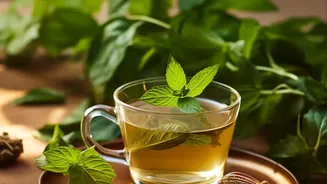
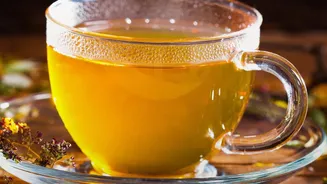
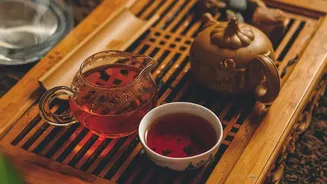
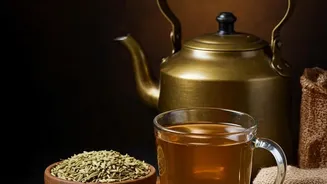
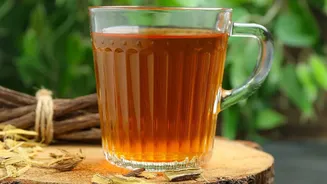
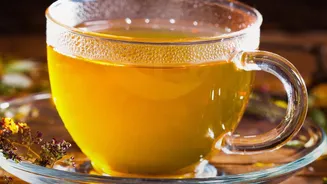
The preparation of these infusions is a simple yet profound process. It often involves simmering the dried herbs, roots, or flowers—a method known as decoction—to fully extract their beneficial compounds. To the brew, a medley of aromatic spices is often added. Black cardamom, which grows abundantly in Sikkim, lends its smoky warmth, while cloves, cinnamon, and ginger contribute both flavour and their own well-documented therapeutic properties. The resulting drink is a complex, aromatic brew that warms the body from the inside out. It's a sensory experience that connects the drinker to the pristine environment from which the ingredients are sourced. The steam rising from the cup, carrying the scent of alpine flowers and spices, is considered part of the healing ritual itself, helping to clear congestion.
Bridging Traditional Belief with Modern Science
For centuries, the efficacy of these infusions was a matter of faith and empirical observation. Today, modern science is beginning to investigate the claims of traditional medicine. Studies on herbs like Rhododendron anthopogon have identified compounds with antioxidant and antimicrobial properties. Similarly, the active compounds in Kutki are researched for their potential anti-inflammatory effects, which could explain its traditional use in respiratory conditions. While this research is still emerging and does not replace conventional medical advice, it offers a fascinating glimpse into the potential mechanisms behind these age-old practices. It suggests that the belief in these herbs for 'respiratory protection' may be rooted in tangible biochemical properties that help soothe inflammation and support the body's immune response.
Preserving a Priceless Heritage
In an era of renewed interest in natural and holistic wellness, these Sikkimese traditions offer invaluable wisdom. However, this knowledge is vulnerable. As lifestyles change and younger generations move away from traditional practices, there is a risk of this heritage being lost. Furthermore, some of these alpine herbs are rare and face threats from over-harvesting and climate change. Efforts by local communities and organisations in Sikkim to document and preserve this ethnobotanical knowledge are therefore crucial. These infusions are not just a collection of ingredients; they represent a deep ecological and cultural knowledge that connects human health directly to the health of the environment. Protecting this legacy means safeguarding both the plants and the traditional practices for generations to come.