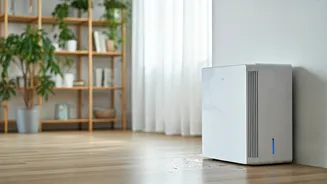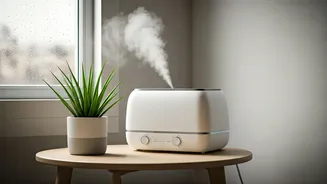








First, Identify the Source
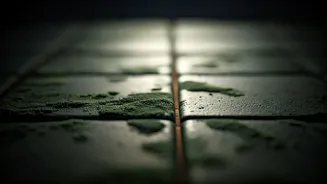
Before you can tackle the damp, you need to know where it's coming from. Is it a leak or general humidity? Look for tell-tale signs of water intrusion like discoloured patches on walls, peeling paint, or a persistent musty odour. These often point to a leak from the roof
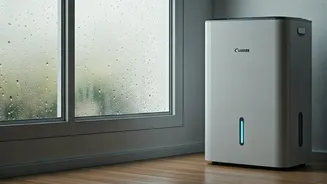
or plumbing that needs immediate attention. If you don't see specific spots but the air feels heavy and surfaces are cool to the touch, your enemy is condensation and high humidity, which thrives during the rainy season. Pay close attention to bathrooms, kitchens, and areas under sinks.
Let Air and Light In
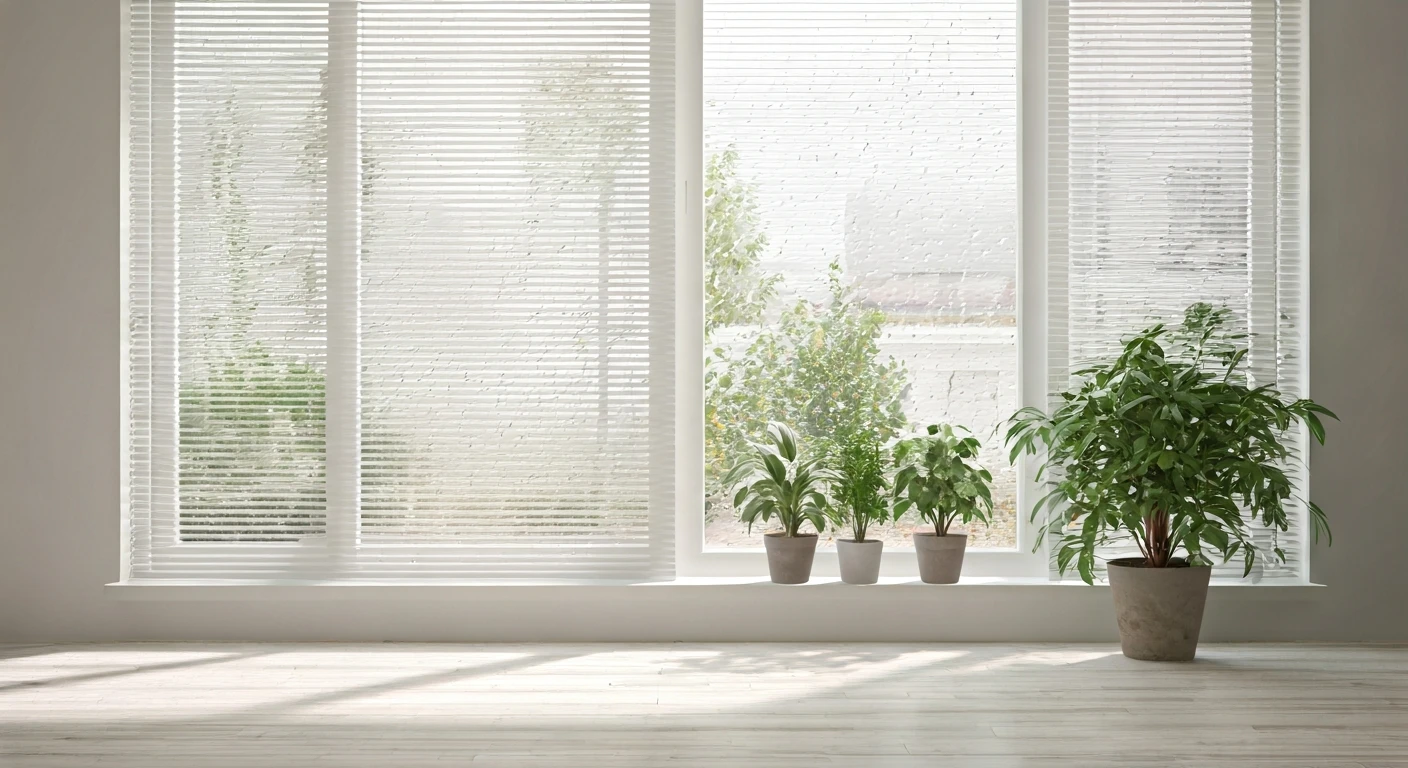
Your simplest and most effective weapon against dampness is good ventilation. Trapped, stagnant air allows moisture to build up. Whenever the rain lets up, open windows and doors on opposite sides of a room to create cross-ventilation. This simple act helps to expel humid air and dry out your interiors. Sunlight is a natural disinfectant and dehumidifier, so draw back the curtains to let in as much light as possible. Running ceiling and exhaust fans, even for a short while, significantly improves air circulation, preventing that heavy, sticky feeling.
Declutter and Reorganise Storage
Cluttered spaces are breeding grounds for dampness and mould. Overpacked wardrobes and tightly stacked items trap moisture and prevent airflow. This is especially true for clothes, which can absorb humidity from the atmosphere and develop a musty smell. Keep furniture a few inches away from walls to allow air to circulate behind them. It’s also wise to pack away heavy rugs and carpets, which absorb and hold moisture for a long time. When it comes to wardrobes, ensure clothes are completely dry before storing them and leave small gaps between garments.
Focus on High-Humidity Zones
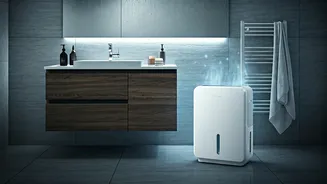
Kitchens and bathrooms are natural hotspots for moisture. In the kitchen, always use an exhaust fan when cooking to vent steam outside. Store dry goods like grains, spices, and biscuits in airtight containers to protect them from clumping. In the bathroom, avoid leaving wet towels lying around and ensure the space is well-ventilated after a shower. Keeping surfaces in these areas dry by wiping them down regularly can make a significant difference in the overall humidity of your home.
Use Natural Moisture Absorbers
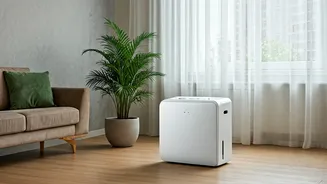
You don't always need expensive gadgets to fight dampness. Many household items work as effective, natural dehumidifiers. Placing bowls of coarse rock salt or charcoal briquettes in damp corners, cupboards, or bathrooms can help absorb excess moisture from the air. Small muslin bags filled with camphor, cloves, or dried neem leaves not only absorb moisture but also act as natural repellents against mould and insects. Even silica gel packets, which often come with new shoes or electronics, can be repurposed in drawers and closets.
Know When to Get Professional Help
While DIY methods are great for managing general humidity, some problems require an expert. If you see large, dark mould patches, significant wall warping or bulging, or suspect a serious leak you can't locate, it's time to call a professional. These can be signs of deeper structural issues that, if left unaddressed, can lead to costly repairs and health risks. Similarly, any issues with exposed electrical wiring in damp areas should be handled immediately by a qualified electrician to prevent serious danger.