





The Great Retreat of the Southwest Monsoon
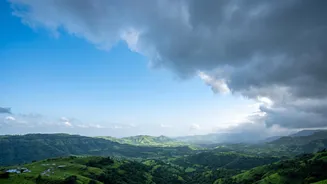
The Southwest Monsoon, which brings about 75% of India's annual rainfall, is a complex system driven by the temperature difference between the Indian subcontinent and the surrounding ocean. From June to September, warm, moist winds blow from the sea towards
the land, bringing widespread rain. The 'withdrawal' of this monsoon is a gradual process, not an abrupt event. It typically begins from the northwestern parts of India around mid-September. This retreat is marked by a reversal in wind patterns, as the landmass starts to cool faster than the ocean, causing drier winds to flow from the land towards the sea. The India Meteorological Department (IMD) officially declares withdrawal based on specific criteria, including a cessation of rainfall for five consecutive days and a change in wind circulation. This process unfolds over several weeks, moving southeast across the country.
Enter the Northeast Monsoon
Just as the Southwest Monsoon bows out, another key player enters the stage: the Northeast Monsoon. Also known as the 'retreating monsoon', this weather system is active from October to December. Unlike its predecessor which covers the entire country, the Northeast Monsoon's impact is more localised. As dry, cool land winds blow from the Himalayas and Indo-Gangetic plains towards the Indian Ocean, they pick up moisture while crossing the Bay of Bengal. These moisture-laden winds then bring significant rainfall to the southern peninsula, particularly the coastal areas of Tamil Nadu, Andhra Pradesh, and parts of Kerala and Karnataka. For these regions, the Northeast Monsoon is a primary source of rainfall, crucial for agriculture and for filling up reservoirs after the main monsoon season has passed.
The Season of Cyclones
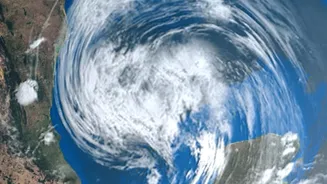
The post-monsoon period, from October to December, is also India's second main cyclone season. The Bay of Bengal, in particular, becomes a hotbed for cyclonic storms during these months. The transition between the two monsoons creates atmospheric conditions ripe for the formation of low-pressure systems over the warm ocean waters. These can intensify into powerful cyclones that make landfall along India's eastern coast, and occasionally on the west coast as well. These storms bring intense, often destructive, rainfall and strong winds to states like Odisha, Andhra Pradesh, Tamil Nadu, and West Bengal. While devastating, they are a significant, if volatile, source of post-monsoon precipitation.
Why This 'Extra' Rain Matters
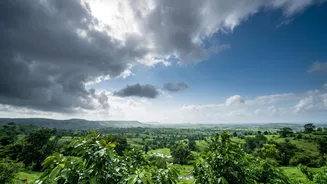
The rainfall that occurs after the formal withdrawal of the Southwest Monsoon is far from incidental. It plays a critical role in India's agricultural cycle and water management. The moisture from this late-season rain is vital for the sowing of winter or 'Rabi' crops like wheat, chickpeas, and rapeseed, which are planted starting in October. Adequate soil moisture is essential for seed germination and early growth, directly impacting the yield of these crucial crops. In the southern states, the Northeast Monsoon is the lifeline that replenishes water bodies and ensures water availability for both agriculture and drinking through the dry months ahead. Therefore, the story of India's rain is a year-round narrative, with the post-monsoon showers being just as important as the famous summer deluge.