




Tyres: Your Only Contact with the Road
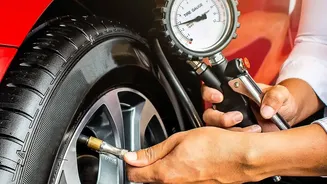
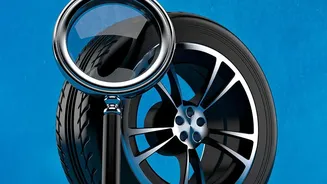
On wet and winding hill roads, your tyres are your single most important safety feature. Their ability to grip the tarmac and displace water is critical to prevent skidding or hydroplaning. Before you leave, check the tread depth; anything below 3mm is risky
for monsoon driving. You can use a one-rupee coin as a simple guide—if the outer band is fully visible, your tread is too low. Also, check the tyre pressure when the tyres are cold, ensuring it matches the manufacturer's recommendation found on a sticker inside the driver's door jamb. Don't forget to inspect the spare tyre; it's useless if it's flat when you need it most.
Brakes: Stopping Power When It Matters Most
Braking distance can increase significantly on wet surfaces, making responsive brakes essential for navigating steep descents and unexpected traffic. Listen for any squealing, grinding, or vibrating sounds when you apply the brakes—these are tell-tale signs that your brake pads may be worn out. It’s also wise to have the brake fluid checked. If the fluid is dark or cloudy, it may have absorbed moisture, which can reduce braking efficiency. After driving through a waterlogged patch, gently tap your brakes a few times to help dry the components and restore normal performance.
Wipers & Windshield: A Clear View Ahead
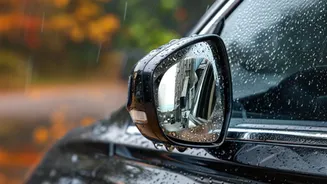
Heavy rain and spray from other vehicles can reduce visibility to almost zero. Your wipers are your first line of defence. Ensure the rubber blades are not cracked or hardened from summer heat. If they leave streaks or make a juddering noise across the glass, replace them immediately. Top up your windshield washer fluid reservoir with a proper cleaning solution, not just water, as it helps clear away oily road grime more effectively. A clean windshield, both inside and out, is crucial to prevent fogging and ensure you can spot hazards clearly.
Lights & Electricals: See and Be Seen
In the dim light of a downpour or the fog of the hills, being visible to others is as important as your own visibility. Do a full walk-around of your car and check that all lights are working: headlights (both low and high beam), tail-lamps, brake lights, and turn indicators. Using low-beam headlights during heavy rain is recommended to avoid glaring other drivers. Also, check the battery. Monsoon humidity can affect electrical systems, and a weak battery is more likely to fail in such conditions. Look for any corrosion on the terminals and ensure the connections are secure.
Engine & Fluids: The Heart of Your Vehicle
A long, uphill drive puts extra strain on your engine. Ensure all vital fluids are at their correct levels to prevent mechanical issues. Check the engine oil, coolant, and brake fluid. Coolant is especially important for preventing the engine from overheating during slow-moving traffic on steep inclines. If your car stalls in a waterlogged area, never try to restart the engine, as this can cause water to be sucked into the engine (hydrostatic lock) and lead to severe damage.
Emergency Kit: Your Roadside Safety Net
Even with the best preparation, unexpected situations can arise. A well-stocked emergency kit can be a lifesaver. Your kit should include a functional torch, a first-aid kit, a tow rope, jumper cables, and a puncture repair kit. Given the weather, an umbrella and a towel are also practical additions. A portable phone charger or power bank ensures you can always call for help if needed. With poor network coverage common in hill areas, having these basics provides crucial peace of mind.