

Moving Beyond Mass-Produced Decor
So much of modern home decor is designed to be neutral, safe, and ultimately, forgettable. While clean lines have their place, a home filled only with mass-produced items can feel impersonal, lacking the warmth that makes a living space feel truly alive.
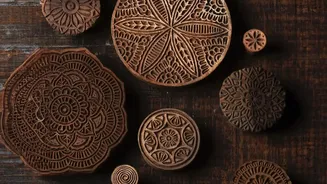
Artisanal crafts are the opposite of this. Each handmade object, whether it's a hand-carved wooden bowl or a brass figurine, carries the imprint of its maker and a story that spans generations. Unlike factory-made products, these pieces age with grace, gathering patina and personality over time. Integrating them into your home is less about 'decorating' and more about curating a personal gallery of objects that hold meaning and tell a story far older than the walls they adorn.
Weaving Stories with Traditional Textiles
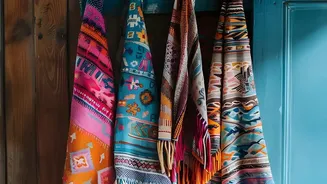
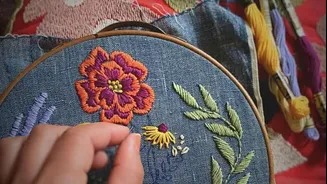
One of the easiest and most impactful ways to introduce cultural texture is through textiles. A modern, neutral-toned sofa can be instantly transformed with a few well-chosen cushion covers featuring Bandhani tie-dye or hand-block prints. These fabrics bring not just colour and pattern, but a rich history of craftsmanship. Consider draping a vibrant Kantha quilt, with its characteristic running stitches, over an armchair or using a Kalamkari panel as a unique wall hanging instead of a framed print. These textiles add a layer of softness and warmth that can temper the hard edges of contemporary furniture, creating a space that feels both stylish and inviting.
The Rustic Allure of Dhokra Metalwork
Dhokra, the ancient art of lost-wax metal casting, produces brassware with a beautifully raw and rustic texture that contrasts wonderfully with modern interiors. This 4,000-year-old craft, which traces its origins to the Indus Valley Civilization, is known for its depictions of tribal life, animals, and deities. A cluster of small Dhokra animal figurines on a bookshelf or a single, striking Dhokra horse on a console table can serve as a compelling focal point. These pieces introduce a sense of history and hand-wrought artistry, their imperfect, earthy finish providing a welcome counterpoint to the sleek surfaces common in urban homes.
Bringing Walls to Life with Folk Art
Instead of another generic print, let your walls tell a richer story with traditional Indian folk art. Warli paintings from Maharashtra, with their simple, geometric depictions of community life, offer a graphic, minimalist aesthetic that works surprisingly well in modern settings. The stick-like figures engaged in activities like dancing or farming create a sense of rhythm and movement. For a bolder statement, consider a Madhubani painting from Bihar. Known for their vibrant colours, intricate patterns, and lack of empty space, these artworks can transform a plain wall into a mesmerising narrative of nature and mythology. A single, well-chosen piece can act as the cultural anchor for an entire room.
Functional Art for Everyday Moments
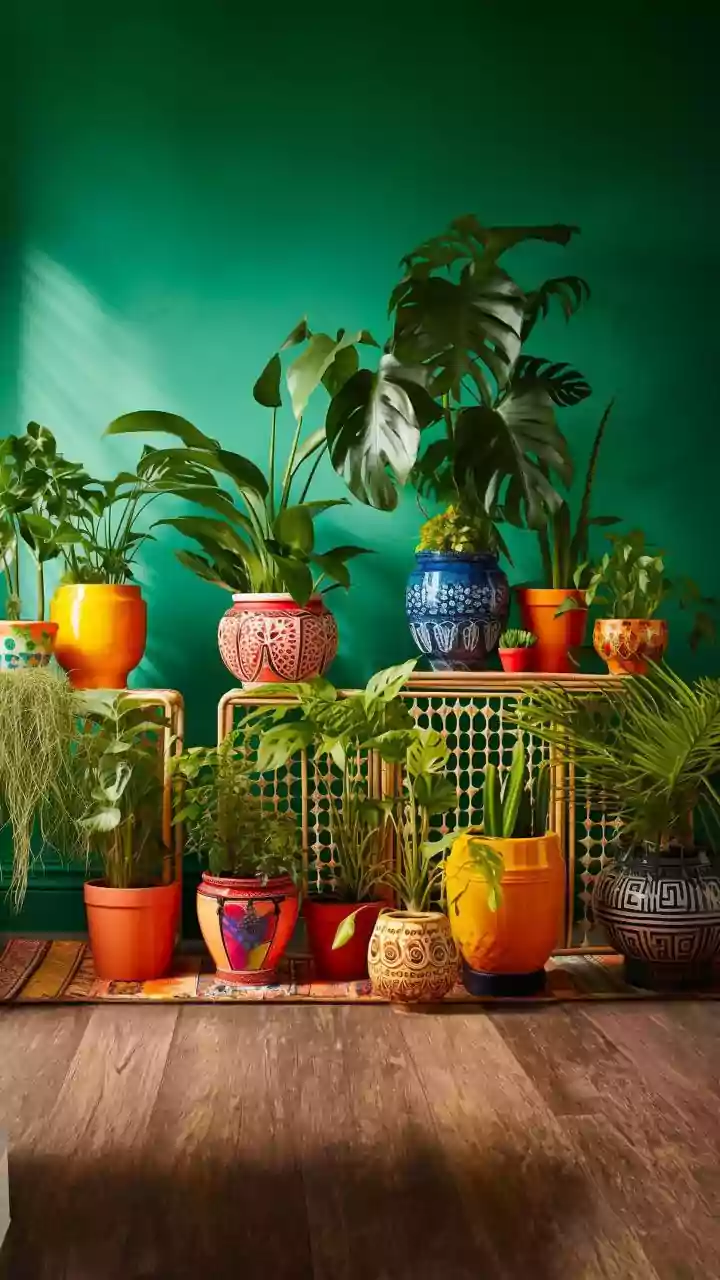
Artisanal crafts shouldn't be treated as precious objects to be seen but not touched. The real magic happens when they are integrated into your daily life. Use Jaipur blue pottery, with its iconic cobalt blue floral motifs, for more than just display. A vibrant blue pottery vase can hold fresh flowers, a decorative tray can sit on your coffee table, and colourful bowls can be used to serve snacks. It's important to note, however, that many traditional pieces may not be food-safe or waterproof, so it is always best to confirm with the seller. By using these items, you turn everyday actions into moments of connection with a rich artistic tradition.
Achieving Harmony and Balance
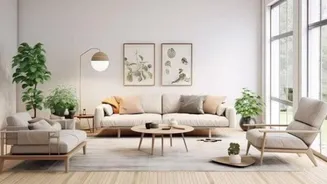
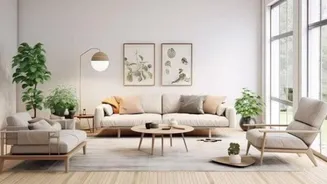
The key to successfully blending traditional crafts with modern design is balance. The goal is not to create a museum, but a home with character. Start with a neutral base palette of whites, greys, or beiges, which will allow the vibrant colours and intricate textures of the handicrafts to stand out. Follow the '80/20' rule: let one style (either modern or traditional) be the dominant 'host' (about 80% of the room) and the other be the 'guest' that adds punctuation and personality. Choose a few statement pieces rather than filling the space with many small items. This creates clear focal points and prevents the room from feeling cluttered, ensuring the overall look is cohesive, personal, and culturally layered.