




The Power of Fermentable Fiber
Not all fiber is created equal. While you may be familiar with soluble and insoluble fiber, there’s a key characteristic that matters immensely for gut health: fermentability. Fermentable fiber, which can be soluble or insoluble, is a type of dietary
fiber that your body can't digest on its own. Instead, it travels down to your colon, where it becomes a feast for the trillions of beneficial bacteria that make up your gut microbiome. Think of it as a prebiotic—a special plant fiber that nourishes the good microbes living in your gut.
Your Gut's Chemical Messengers
When your gut bacteria ferment these fibers, they produce powerful byproducts called short-chain fatty acids (SCFAs), with names like butyrate, propionate, and acetate. These aren't just waste products; they are critical signaling molecules that have profound effects throughout your body. Butyrate, for example, is the preferred fuel source for the cells lining your colon, helping to keep your gut wall strong and healthy. This strong barrier prevents harmful substances from leaking into your bloodstream, which helps reduce systemic inflammation—a known contributor to mood disorders.
Connecting the Gut and Brain
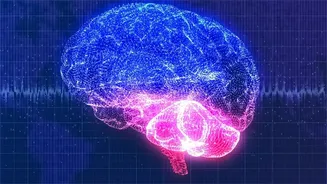
The gut-brain axis is the intricate, two-way communication highway connecting your gastrointestinal tract and your brain. This network involves the nervous system (especially the vagus nerve), the immune system, and the endocrine system. The SCFAs produced in your gut play a starring role in this communication. They can influence your brain both indirectly and directly. Indirectly, they help regulate inflammation and trigger the release of hormones that signal fullness and satisfaction. Directly, some SCFAs can cross the highly selective blood-brain barrier, where they can influence brain function and protect against neuroinflammation.
The Impact on Mood and Focus
So, how does this translate to better mood and focus? The process works through several mechanisms. Firstly, SCFAs are involved in the production and regulation of crucial neurotransmitters like serotonin and dopamine, which are essential for mood stability. In fact, a large portion of your body's serotonin, the 'feel-good' chemical, is produced in the gut. Secondly, by reducing inflammation in the body and brain, SCFAs help create a healthier environment for optimal brain function, potentially leading to better mental clarity and emotional well-being. Emerging research links diets rich in fiber with a lower risk of depression and anxiety, highlighting this powerful connection.
How to Feed Your Gut for a Better Brain
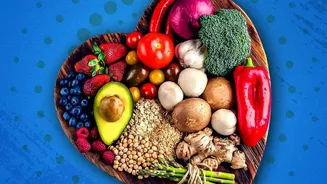
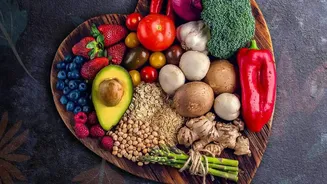
Boosting your intake of fermentable fiber doesn't have to be complicated. It primarily involves eating a wider variety of plant-based foods. Some of the best sources include: Vegetables: Onions, garlic, leeks, asparagus, artichokes, and root vegetables like yams and carrots are packed with these fibers. Legumes: Lentils, beans, and peas are excellent sources of fermentable fiber and resistant starch. Fruits: Apples, berries, and citrus fruits contain pectin, a type of fermentable fiber. Grains: Oats and barley are rich in a specific kind of fermentable fiber called beta-glucans. Even cooled, cooked potatoes and rice contain resistant starch, which acts as a fermentable fiber. The key is variety, as different fibers feed different types of beneficial bacteria, promoting a diverse and resilient gut microbiome.